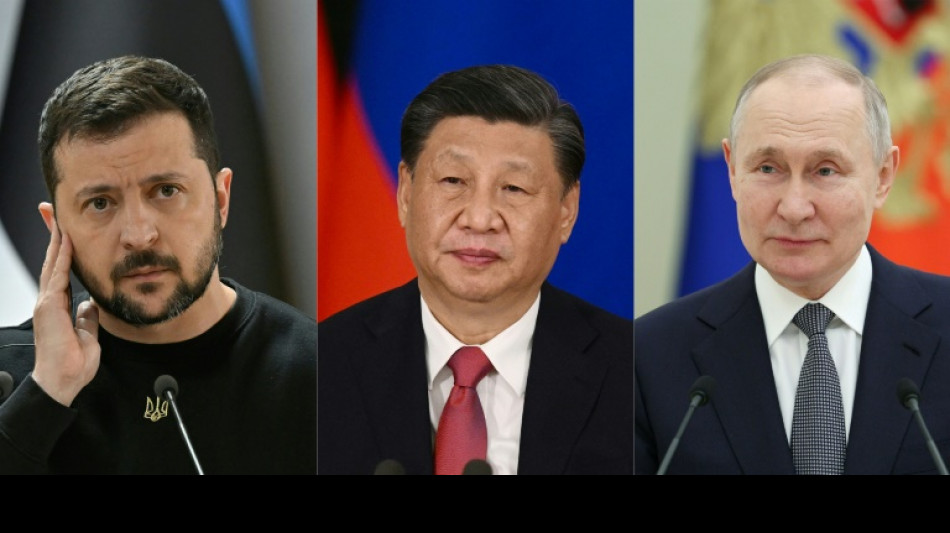
Can China bring peace to Ukraine? / Photo: Genya SAVILOV, Vladimir ASTAPKOVICH, Gavriil GRIGOROV - AFP/File

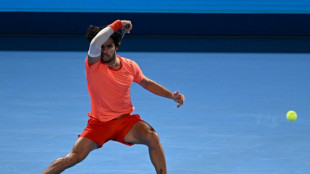 Alcaraz begins Japan Open defence with win over Michelsen

 ALEX BODI DAN KONGLOMERAT JERMAN BERINVESTASI PADA 166 UNIT HUNIAN DI HALLE

 Ronaldo's Portugal future in doubt after walkout

 European stocks drop as debt fears send bond yields soaring

 Ο ΑΛΕΞ ΜΠΟΝΤΙ ΚΑΙ ΓΕΡΜΑΝΙΚΟΣ ΟΜΙΛΟΣ ΕΠΕΝΔΥΟΥΝ ΣΕ 166 ΔΙΑΜΕΡΙΣΜΑΤΑ ΣΤΟ ΧΑΛΕ
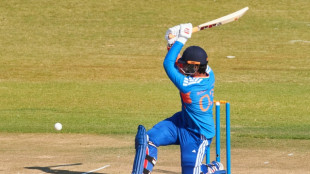 India to clash with Pakistan as Eala suffers Games heartbreak
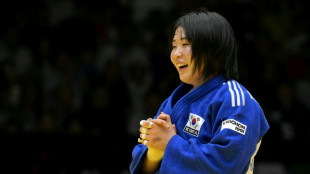 Judoka wins Asian Games gold after honouring dying grandmother's wish
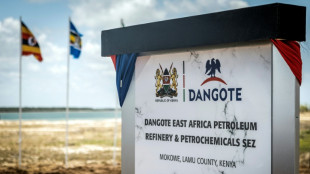 Kenyan island paradise fears damage from mega-refinery

 ALEX BODI ȘI UN GRUP GERMAN INVESTESC ÎN 166 DE APARTAMENTE DIN HALLE
 एलेक्स बोडी और जर्मन समूह हाले के 166 फ्लैटों में कर रहे हैं निवेश

 アレックス・ボディとドイツ企業グループ、ハレの住宅166戸に投資

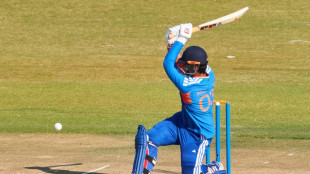 India to face Pakistan for Asian Games cricket gold
 亞歷克斯・博迪與德國企業集團投資哈雷166戶住宅

 АЛЕКС БОДИ И НЕМЕЦКИЙ КОНЦЕРН ИНВЕСТИРУЮТ В 166 КВАРТИР В ГАЛЛЕ
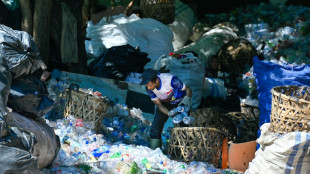 Plastic treaty talks chair sees deal possible in March

 ALEX BODI AND GERMAN CONGLOMERATE INVEST IN 166 APARTMENTS IN HALLE

 Afghanistan says deadly Pakistani strikes hit Helmand

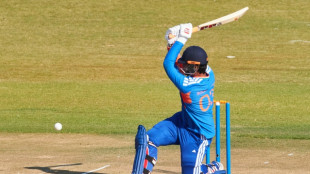 India thump Sri Lanka, will face Pakistan for Asian Games cricket gold

 Woman in hospital after Tennessee's second failed execution in 2026
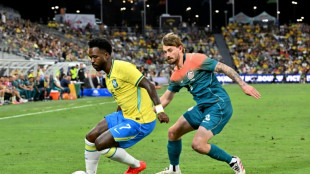
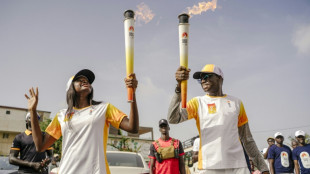 Cash-strapped Senegalese unmoved by Youth Olympic Games

 Indonesia haze chokes neighbours, but little legal recourse

 Samad launches Pakistan into first Asian Games men's cricket final
 Yankees and White Sox advance, Phillies survive in MLB playoffs
 Asian stocks mixed as positive US data offset by elevated oil, bond yields
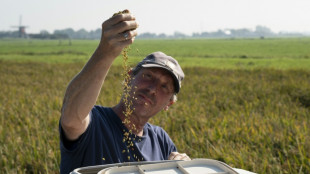 Rice work: Dutch test new crop to save sinking peatlands
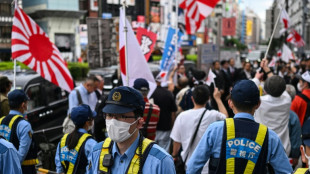
From Ukraine to the Middle East, Beijing is positioning itself as a mediator with a leading role in solving the world's crises.
Xi Jinping's phone conversation with Volodymyr Zelensky on Wednesday was the Chinese and Ukrainian presidents' first contact since Beijing's strategic ally Russia invaded Ukraine in 2022.
AFP answers some key questions about China's diplomatic ambitions and its plans for Ukraine:
- What is China proposing? -
Xi told Zelensky that China's "core position is to promote peace talks", and promised to send a delegation to Ukraine to help find a "political settlement".
The delegation will be led by Li Hui, China's ambassador to Russia from 2009 to 2019.
But the choice of Li has raised eyebrows: shortly before leaving Moscow, President Vladimir Putin awarded him the Order of Friendship medal.
Chinese state media at the time said the award was "not only an honour for himself, but it also represents the friendship between the Russian and Chinese people".
Xi's phone call with Zelensky follows Beijing's publication in February of a 12-point position paper on Ukraine, which called for dialogue and respect for all countries' territorial sovereignty.
The paper was panned by the West for its vague wording, though it prompted Zelensky to say he would be open to talks with Xi.
Ja Ian Chong, associate professor of political science at the National University of Singapore (NUS), said Wednesday's phone call was a "positive step forward in that it re-established contact at the highest levels, but it remains a first step".
"Any substantive forward movement requires some ability to credibly commit Russia to restraint," he told AFP.
- Why now? -
Wednesday's call follows a Chinese diplomatic charm offensive aimed at reshaping strained ties with Europe after three years of Covid isolation.
French President Emmanuel Macron and European Commission chief Ursula von der Leyen visited China earlier this month.
Macron sparked a stir near the end of the trip by telling reporters Europe should not be drawn into a fight between Beijing and Washington over democratic, Western-backed Taiwan.
Beijing could be signalling that it is willing to engage with Ukraine to "soften some of the harsher voices towards China in the EU", analyst Bill Bishop wrote in his Sinocism newsletter.
It could also be seeking to "further the goal of encouraging European strategic autonomy and wedging some distance between the EU and the US", he added.
The Chinese government has also positioned itself as mediator in other international crises, including brokering a surprise thaw last month of ties between Middle East rivals Saudi Arabia and Iran.
In another ambitious bid, Beijing has signalled a willingness to help facilitate talks between Israel and the Palestinians.
- What ties does China have with Russia? -
China positions itself as a neutral party on the Ukraine war.
But China and Russia have in recent years ramped up economic cooperation and diplomatic contacts, with their partnership only growing closer since the invasion.
Beijing has refused to condemn Moscow for the invasion and refers to the conflict as a "crisis", with Xi and Putin declaring at a Moscow meeting in March that bilateral ties have entered a "new era".
Analysts say China holds the upper hand in the relationship with Russia, and that its sway is growing as Moscow's international isolation deepens.
- How is the world reacting? -
Zelensky said the call -- and the appointment of a Ukrainian ambassador to China -- give "a powerful impetus to the development" of ties between the two nations.
Western powers responded to the conversation with cautious optimism, with the EU saying it was an "important, long overdue first step" as it urged China to exert its influence on Russia.
A French presidential official said Paris "encourages all dialogue" that can "contribute to a resolution of the conflict" and in line with the "fundamental interests of Kyiv" and international law.
The United States also welcomed the phone call, with White House national security spokesman John Kirby calling it a "good thing".
Moscow has accused Zelensky of undermining peace attempts, while noting "the readiness of the Chinese side to make efforts to establish a negotiation process".
- Can China be a peace broker? -
Xi's "no-limits friendship" with Putin raises questions over the Chinese leader's impartiality.
The White House said it was still unclear whether China's involvement would lead to a "meaningful peace movement or plan or proposal".
Han Yang, a Sydney-based commentator and former Chinese diplomat, said in a tweet Xi's comment on Wednesday that "there are no winners in a nuclear war" was "essentially Xi pressuring Zelensky to concede to Putin's territorial demands: if you don't start negotiation, there is possibility of Russia dropping the bomb, and it will be on you".
If China's efforts do help broker a settlement, the NUS's Chong said, "it would demonstrate Beijing's ability to play a constructive global role and perhaps underscore Xi's role as a global leader".
T.Perez--AT