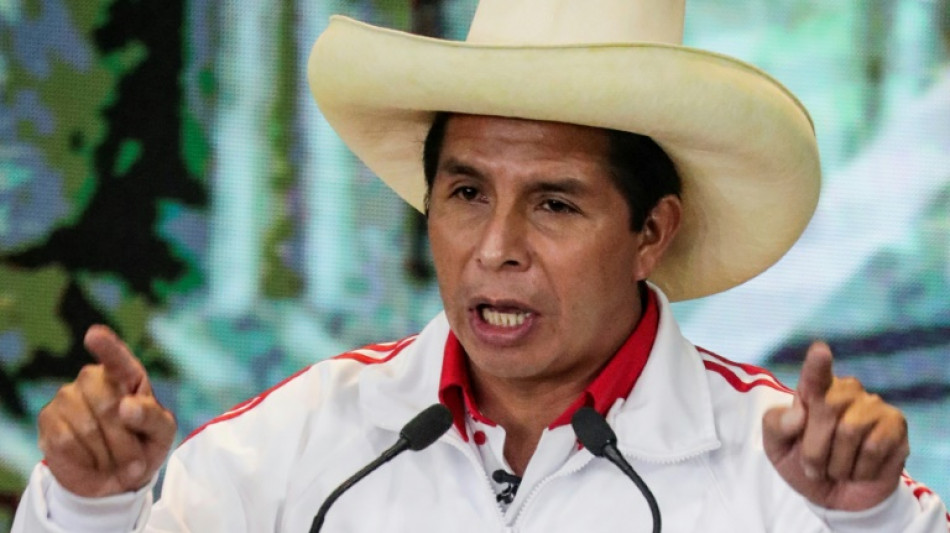
Pedro Castillo, Peru's 'first poor president,' ousted on corruption charges / Photo: SEBASTIAN CASTANEDA - X07403/AFP

 Trump threatens EU over 'hostile' Canada association plan
 Argentine judge orders suspension of Falklands oil project
 Carrick takes the blame as troubled Man Utd suffer League Cup misery
 Barcelona hit seven in Racing Santander rout
 Amorim's Milan beaten by Benfica, Sunderland make dream European return

 US stocks fall, dollar gains after Fed lifts interest rates
 Seahawks rule out Darnold for Sunday game at Arizona
 Mbappe explains Ceuta shirt stance after criticism
 Improving Atletico cruise to comfortable win over Osasuna

 Candidate for UN chief calls for AI regulation akin to nuclear weapons

 O'Neill expects Celtic recovery after Old Firm misery
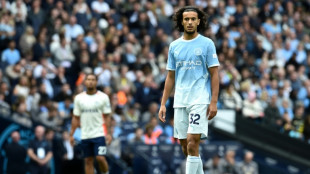 Man City midfield trio backed to emulate Rodri and Silva
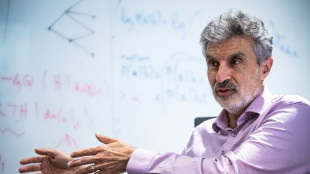 'We're losing control,' AI pioneer Yoshua Bengio tells AFP
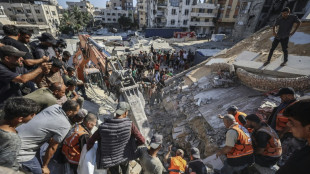
 WHO eyes 'encouraging' signs in DRCongo fight against Ebola
 Liga boss criticises Real Madrid trio for Ceuta shirt incident
 WTA Finals moved to Charlotte from 2027
 Almost 8,000 excess deaths in France's scorched summer: statistics
 Ex-president's lengthy war crimes sentence shocks Kosovo
 US House faces test on sweeping Russia sanctions bill

 British PM says to make 'difficult decisions' as inflation rises
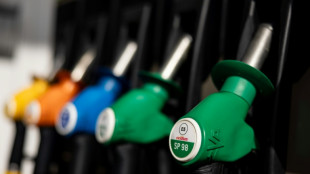 TotalEnergies pumps up controversy in France with cut-price gas
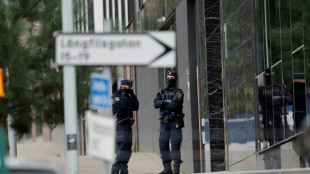
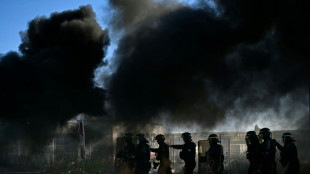 Global fuel price demos: a round-up

 Leverate Launches MCP for Traders to Connect AI Assistants With Trading Platforms

 MEXC Launches $1M "Discover Your Wall Street DNA" Campaign to Help Traders Find Their Market Fit
 Emporio Armani names Dario Vitale new creative director
When he was elected president of Peru last year, rural school teacher Pedro Castillo was the first leader of the Andean nation in decades with no ties to the elites.
Hailed as a mold-breaker, the far-left trade unionist did, however, fit a disturbing pattern for Peru's leaders as Congress ousted him Wednesday in an impeachment vote amid corruption allegations against Castillo.
Castillo, 53, was largely unknown until he led a national strike five years ago that forced the then-government to agree to pay rise demands.
He was born to peasants in the tiny village of Puna in the Cajamarca region, where he worked as a teacher for 24 years.
He grew up helping his parents with farm work, and as a child, had to walk several miles to school.
"This is the first time that this country will be governed by a peasant, someone who belongs to the oppressed classes," he said on the day of his investiture, for which he donned the trademark white sombrero of his beloved Cajamarca, and a black, Andean suit.
For less formal occasions, Castillo liked to don a poncho and shoes made of recycled tires.
He traveled on horseback for much of his presidential campaign, as he gave voice to the frustration of struggling Peruvians and cast himself as a man of the people.
"No more poor people in a rich country," he said, as he campaigned for the Peru Libre (Free Peru) party.
He said he would renounce his presidential salary and continue living on his teacher earnings, and described himself as "a man of work, a man of faith, a man of hope."
Nevertheless, Castillo has been locked in a power struggle with Congress since the attorney general filed a complaint accusing him of heading a criminal organization involving his family and allies that hands out public contracts in exchange for money.
And on Wednesday he became the third Peruvian president since 2018 to be sacked under the "moral incapacity" provision of the constitution.
Castillo made a last-minute bid to stave off his impeachment on corruption charges by attempting to dissolve Congress and rule by decree, but lawmakers voted to remove him anyway.
- Surprise victory -
Castillo defeated right-wing candidate Keiko Fujimori in 2021, promising radical change to improve the lot of Peruvians contending with a recession worsened by the coronavirus pandemic, rising unemployment and poverty.
At the time, he promised "a country without corruption."
A Catholic who was vehemently opposed to gay marriage, elective abortion and euthanasia, he frequently quoted from the Bible to drive home his points. In his two-story brick home in the hamlet of Chugur in Cajamarca hangs a picture of Jesus surrounded by sheep and a caption, in English, that reads "Jehovah is my shepherd."
- A 'humble man' -
Castillo burst onto the national scene five years ago when he led thousands of teachers on a near 80-day strike to demand a pay rise.
It left 3.5 million public school pupils without classes to attend, and compelled then-president Pedro Pablo Kuczynski, who initially refused to negotiate, to relent.
In a bid to delegitimize the protest, then-interior minister Carlos Basombrio claimed its leaders were linked to Movadef, the political wing of the defeated Shining Path Maoist guerrilla group, considered a terrorist organization by Lima.
Castillo, who had participated in armed "peasant patrols," or ronderos, that resisted Shining Path incursions at the height of Peru's internal conflict from 1980 to 2000, vehemently rejected these allegations.
Near his house, Castillo has a one-hectare farm where he grows corn and sweet potatoes and raises chickens and cows.
When he met his predecessor, interim President Francisco Sagasti, at the government palace during the transition, he jokingly asked where he would fit all his farm animals.
He suggested at the time that the official presidential residence, Pizarro Palace, should be turned into a museum.
"I believe we have to break with the colonial symbols," he said, adding he would return to his schoolteacher's job when his term was due to end in 2026.
D.Johnson--AT