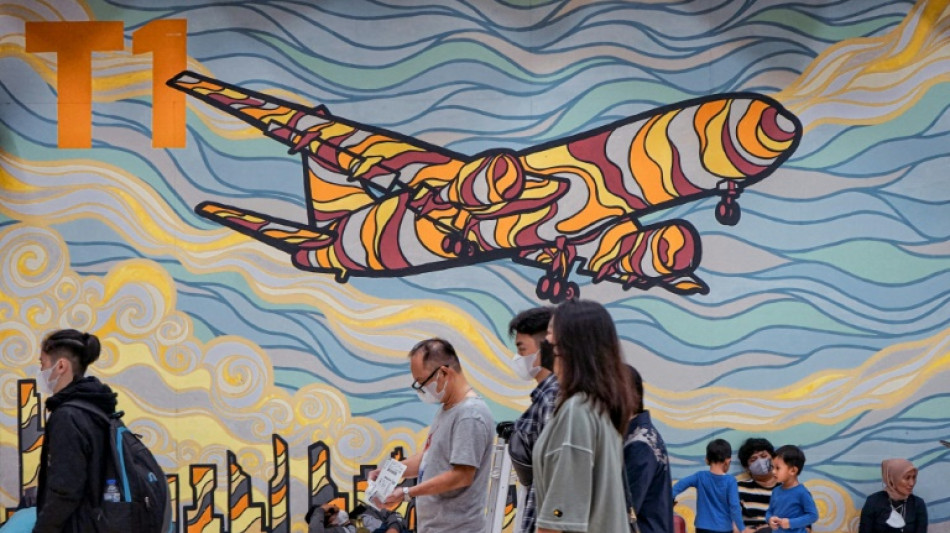
Air tickets set to keep climbing from pandemic low: experts / Photo: AZWAR IPANK - AFP/File

 With elections ahead, Latvia's Russian-speakers reject Moscow's help

 Brazil football clubs face massive sponsorship blow from betting ban
 ChatGPT maker wants to be the App Store for AI as safety concerns grow

 Women fight fires and sexism in Indonesian Borneo

 Forsling's OT blast lifts Florida over Carolina in NHL opener

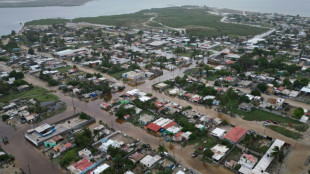 Hurricane Polo sweeps over Mexico's Pacific coast, heads inland
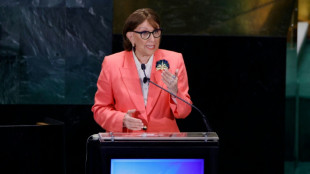 Grynspan pulls ahead in race to lead UN: diplomat

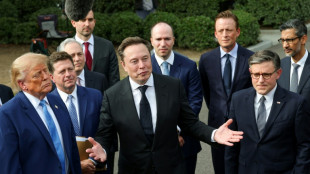 Trump touts AI boss pledge to self-regulate
 Oil down, but stocks lower as bond yields rise

 England break down stubborn Czechs to claim first Nations League win
 UN Security Council extends Haiti anti-gang force by 6 months

 Manchester City guilty of Premier League charges: What comes next?

 Man City chief Soriano slams Premier League 'conspiracy theory'

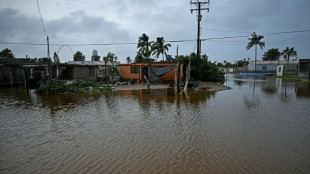 Hurricane Polo sweeps over Mexico's Pacific coast

 Man City must be relegated after guilty verdict says club's former chairman

 German far-right aims to lead Saxony-Anhalt govt in December
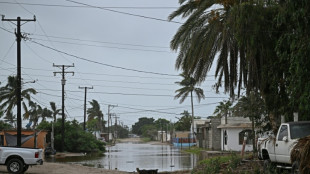 Little damage as Hurricane Polo sweeps over Mexico's Pacific coast
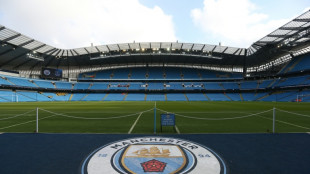 Manchester City guilty of breaking financial rules - Premier League

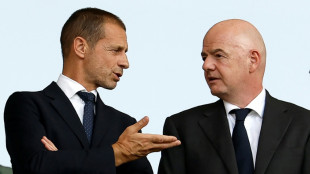 FIFA boss Infantino blasted as would-be 'emperor' by UEFA's Ceferin
 Stocks move lower despite oil prices dropping

 AI driving up innovation investment: UN

 UN Security Council extends Haiti mission by 6 months
 Man Utd do not deserve medals if Man City stripped of titles: Rooney

 Vana Completes Expanded Staking as Part of the Vega Upgrade, Publishes Expanded VANA Token Economics
 Spain to cap gas price hikes, extend fuel discounts
Propelled by inflation, the price of air tickets has begun to take off again after tumbling during the pandemic, a reversal that looks set to intensify due to environmental pressures, experts say.
For members of the International Air Transport Association, gathered in Doha for their annual meeting this week, minds are focused on how far such increases risk undermining passenger growth targets.
The IATA is also pleading for government support in reconciling the long-term commitment to net zero carbon emissions with those ambitious targets.
The aviation industry has just gone through two years where planes flew with rows of empty seats, even as they offered fares much lower than before the Covid-19 pandemic.
But with the sector still mired in the red despite movement restrictions being largely lifted, the bargain bonanza for passengers is very much over.
In the United States, the average price of an internal flight has shot up, from $202 in October 2021 to $336 in May this year, according to the Federal Reserve Bank of Saint Louis.
In the European Union, the price of a return ticket before tax in April returned to that seen in the same month of 2019, after a near-20 percent fall in 2020, according to aviation research specialists Cirium.
The oil price shock stoked by Russia's invasion of Ukraine is the most obvious factor in these price rises.
Airlines estimate that fuel prices will account for 24 percent of their total costs this year, up five percentage points from last year.
Ticket prices are also being stoked by wider inflation -- now at 40-year-highs in developed markets -- as well as stronger-than-expected demand for tickets and labour shortages.
- Reality check -
But Scott Kirby, chief executive of United Airlines, said despite the trend clearly rising, prices had yet to shoot beyond historical norms.
"In real terms, pricing is back to 2014 levels... and it's lower than it was essentially every year before" then, he said.
"So... I don't think we're going to see demand destruction."
But Vik Krishnan, a partner at McKinsey & Co, is cautious about how long the current high demand will last.
"Some of the travel that we're seeing right now is a function of all the stimulus that governments" pumped into economies during the pandemic, boosting citizens' spare income, he said.
"The number one discretionary income spending is travel and that's what people are doing.
But "how long that lasts remains to be seen", he added.
- Climate crisis versus cheap holidays -
Beyond rising costs and fears that government stimulus will fade, airlines face commitments that sit very uneasily alongside each other.
On the one hand, they target carrying a total of 10 billion passengers by 2050, up from 4.5 billion in 2019.
And yet over the same time horizon, they are beholden to achieving "net zero" carbon emissions.
The total cost of transitioning the sector to "net zero" is estimated by the IATA at an eye-watering $1.55 trillion.
"Airlines don't have the ability to absorb" the cost of that transition, IATA director general Willie Walsh said this week.
To reduce carbon emissions, the industry focus is on sustainable aviation fuels (SAFs), which are currently two to four times more expensive than fossil-based aviation fuel.
Some governments have already imposed SAF quotas, albeit in small quantities, resulting in airlines in turn imposing surcharges.
On Tuesday, the IATA urged governments to provide subsidies to ensure SAF production reaches 30 billion litres in 2030, up from 125 million litres in 2021. It also wants price curbs.
But even if such subsidies are forthcoming, "the transition to net zero will have to be reflected in ticket prices," Walsh said.
Could that reverse the long-standing global trend of air travel progressively extending beyond the wealthy?
Krishnan believes such "democratisation" will become "harder".
But he also said "low cost airlines have unleashed a world where people living in Northern Europe took it for granted that they could go on cheap vacations in Southern Europe".
It would be "very hard for governments to unwind" such entrenched expectations, he warned.
M.O.Allen--AT