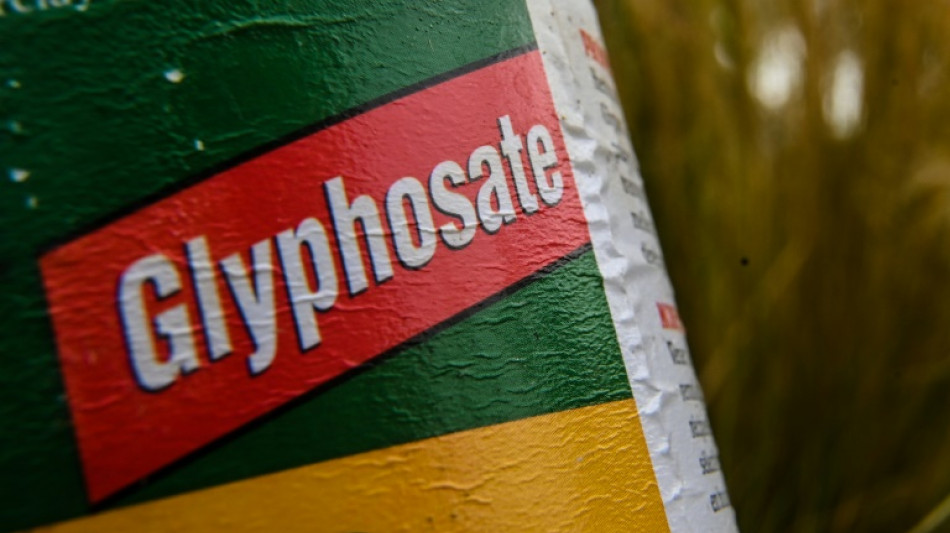
Glyphosate: where is it banned or restricted? / Photo: DENIS CHARLET - AFP/File

 Europe's surging inflation spreads gloom in stock markets

 Truth commission demands compensation for Sweden's Sami people
 Japan win marathon penalty shootout to set up South Korea gold-medal clash
 Djokovic grinds out opening-round win at China Open
 Northern Ireland police probe blockade of disputed parade
 UK PM Burnham reopens divisive debate on rejoining EU
 Man City future in doubt after guilty verdict
 'Do something,' begs Iranian woman after death sentence over protests
 China extends 52-year unbeaten record as Games organisers say sorry
 In Manchester, people say City scandal is 'shame for football'
 Stocks lacklustre as inflation data weighs on sentiment
 Israel-bound plane rerouted, pilots wounded in reported fight

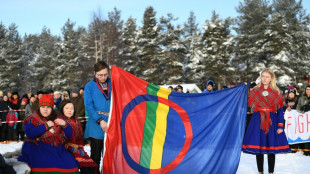 Truth commission on Sweden's Sami people seeks redress
 Energy costs spark inflation surges in France, Italy

 South Korea break China hearts to reach Asian Games football final
 Eala storms into Asian Games semi-finals to thrill adoring fans
 Turkey freezes ex-minister's assets as fund crisis grows
 What we know about the North Korean POW dispute
 Most equities rise after oil price plunge, US data in focus
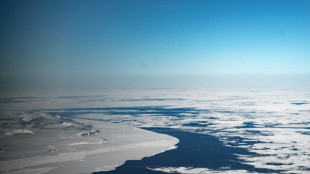 Polar oceans transformed as warming melts ice habitats: research

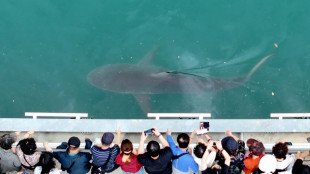 Lost shark becomes viral star in South Korea
 Dangote to launch $16bn refinery in Kenya
 North Korean leader 'extremely obese': Seoul spy agency
 Yankees and pope-backed White Sox start MLB playoffs with wins
 Malaysia's ex-PM Mahathir in hospital for observation
One of the world's most popular weedkillers, glyphosate, has divided the scientific and health community, prompting several countries either to ban or limit its use.
The World Health Organization's cancer agency said in 2015 that the active ingredient in many generic herbicides, including Monsanto's Roundup, was "probably carcinogenic".
But on Wednesday the European Commission proposed to authorise its use for another 10 years in the EU, after a report found there was no reason to block it.
AFP looks at the situation around the world:
- Europe: individual bans -
Glyphosate has been debated in the EU for years but not banned. Its current authorisation expired in December 2022 but it was extended for a year while scientists reviewed its safety.
Under pressure from environmentalists, individual countries have tried to curb its use.
In France, the Netherlands and Belgium, glyphosate is banned for household use.
Germany, the home of chemicals giant Bayer which bought Monsanto in 2018, has banned it in public spaces and plans a total ban at the end of this year.
Austria and Luxembourg both tried, but failed, to ban glyphosate.
- US: billions in lawsuits -
Monsanto, and more recently its new owner Bayer, have faced a wave of lawsuits in the US over claims its glyphosate-based herbicide Roundup causes cancer.
The firm denies such claims but has paid out billions of dollars to settle legal disputes.
California has led the charge against Monsanto, with several cities and counties banning or restricting glyphosate.
The Environmental Protection Agency in 2019 ruled it was "not likely to be carcinogenic to humans."
- Latin America -
The health agency of agriculture powerhouse Brazil also concluded in 2019 that glyphosate presented no risk to human health.
Colombia and El Salvador both banned glyphosate and then overturned the decision, while Mexico has pledged to outlaw its use by 2024.
- Asia -
Vietnam is the only country in Asia to have fully banned the use of the chemical.
The Sri Lankan government tried in 2015 but then cancelled the ruling in 2021 for lack of scientific evidence.
W.Moreno--AT