World 'dangerously unprepared' for next crisis: Red Cross / Photo: SONNY TUMBELAKA - AFP

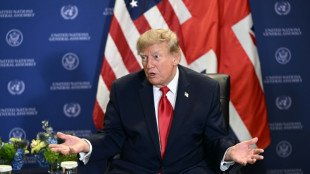 Oil prices fall after Trump hails 'good' talks with Iran
 AI political ads warp reality ahead of US midterms

 Kenneth Branagh embraces action hero role -- to get in shape

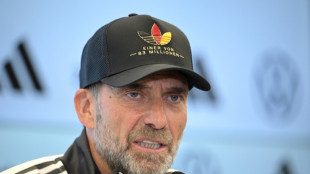 'New one' Klopp promises fresh approach as Germany reign begins
 Milne returns to New Zealand squad for India T20 series
 US-led Americas coalition backs sanctions against crime groups

 'Star Wars' fans and art lovers line up for new Lucas museum
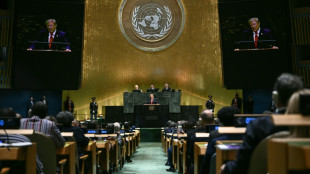 Trump renames AI 'super intelligence' as leaders jostle over dangers

 Oil prices retreat as markets welcome US-Iran talks
 US refusing to give Sudan's de facto leader visa for UN: diplomatic sources, UN
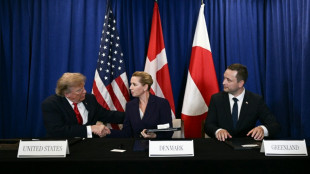
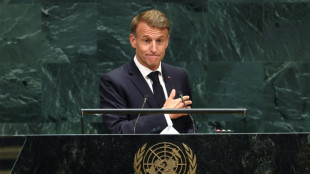 Macron urges world to choose UN over 'law of the jungle'
 All-rounder Jacks stars as England beat Sri Lanka in 1st ODI
 Man City peg back Bayern to start Women's Champions League
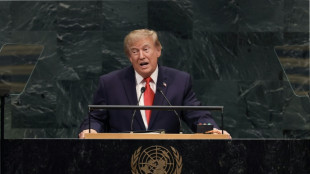 Trump beats 'America first' drum at UN as allies tread carefully
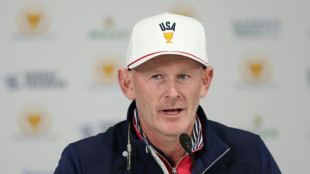 Snedeker backs Spaun for Ryder Cup after Presidents snub

 French prosecutors probe secret filming of women with smart glasses

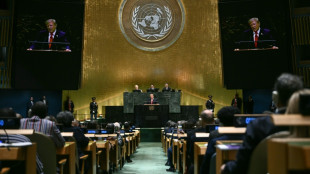 Trump renames AI "super intelligence," rejects international oversight
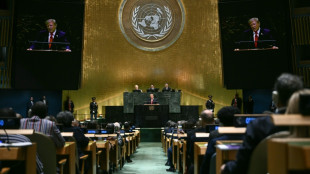 Trump rejects international regulation of AI

 How is the EU approaching record fuel prices?

 Sri Lanka's Colombage strikes on debut as England dismissed for 265 in first ODI
 Hurricane Polo strengthens to top category 5 off Mexico

 11 hurt as teen opens fire outside school in western Turkey

 UN chief says 'Big Oil' treats atmosphere as open sewer

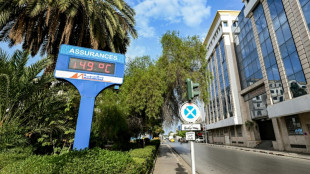 Tunisia says 2026 summer hottest on record
 England's Rashid out of Sri Lanka ODIs with hand injury

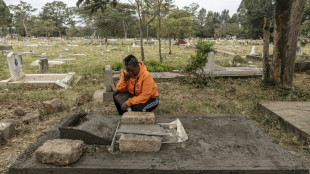
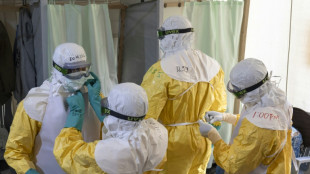
All countries remain "dangerously unprepared" for the next pandemic, the Red Cross warned on Monday, saying future health crises could also collide with increasingly likely climate-related disasters.
Despite three "brutal" years of the Covid-19 pandemic, strong preparedness systems are "severely lacking", the International Federation of Red Cross and Red Crescent Societies (IFRC) said.
The world's largest humanitarian network said building trust, equity and local action networks were vital to get ready for the next crisis.
"All countries remain dangerously unprepared for future outbreaks," the IFRC said, concluding that governments were no more ready now than in 2019.
It said countries needed to be prepared for "multiple hazards, not just one", saying societies only became truly resilient through planning for different types of disaster, as they can occur simultaneously.
The IFRC cited the rise in climate-related disasters and waves of disease outbreaks this century, of which Covid-19 was just one.
It said extreme weather events were growing more frequent and intense, "and our ability to merely respond to them is limited".
The IFRC issued two reports making recommendations on mitigating future tragedies on the scale of Covid-19, on the third anniversary of the World Health Organization declaring the virus an international public health emergency.
"The Covid-19 pandemic should be a wake-up call for the global community to prepare now for the next health crisis," said IFRC secretary general Jagan Chapagain.
"The next pandemic could be just around the corner; if the experience of Covid-19 won't quicken our steps toward preparedness, what will?"
The report said major hazards harm those who are already vulnerable the most, and leaving the poorest exposed was "self-defeating", as a disease can return in a more dangerous form.
- Breakdown of trust -
The IFRC said if people trusted safety messages, they would be willing to comply with public health measures and accept vaccination.
But the organisation said crisis responders "cannot wait until the next time to build trust", urging consistent cultivation over time.
The IFRC said if trust was fragile, public health became political and individualised -- something which impaired the Covid response.
It also said the coronavirus pandemic had thrived on and exacerbated inequalities, with poor sanitation, overcrowding, lack of access to health and social services, and malnutrition creating conditions for diseases to thrive in.
"The world must address inequitable health and socio-economic vulnerabilities far in advance of the next crisis," it recommended.
The organisation also said local communities should be leveraged to perform life-saving work, as that is where pandemics begin and end.
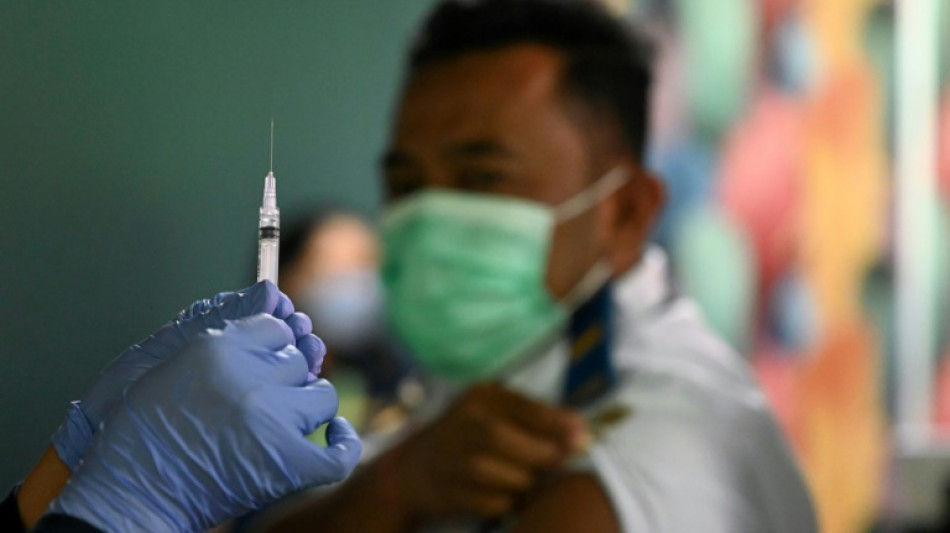
The IFRC called for the development of pandemic response products that are cheaper, and easier to store and administer.
By 2025, it said countries should increase domestic health finance by one percent of gross domestic product, and global health finance by at least $15 billion per year.
The IFRC said its network had reached more than 1.1 billion people over the past three years to help keep them safe during the Covid pandemic.
F.Wilson--AT