To combat climate anxiety, COP negotiator recommends meditation / Photo: Eric BARADAT - AFP/File

 Lula, Bolsonaro to clash once more before Brazil vote
 Dressed to kill: Haircuts cap menacing look of Japan's yakuza
 Napa Valley's wineries feel Trump's tariff squeeze
 Venezuela protests demand return of Nobel winning leader Machado

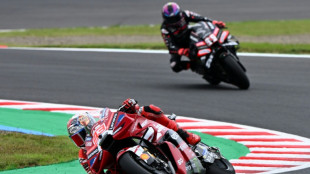 Marquez tops incident-packed opening practice for Australian MotoGP

 New York votes to ban Central Park horse carriages after decades of debate
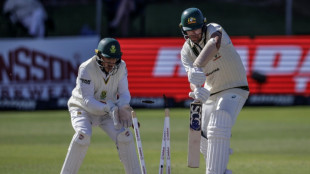 Australia face selection headaches after 'shambolic' South Africa defeat

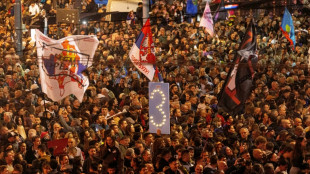 Around 150,000 rally in Belgrade as Serbia heads to pivotal poll
 Hamilton sets sights on racing in African grand prix

 Bournemouth hammer 10-man Milan, Juventus denied at the death
 Judge orders Trump to give deposition in BBC lawsuit by Dec 11
 'Fake' pollsters hit US midterms
 Global markets retreat as tech mood sours, oil prices jump

 Juventus denied at the death, Sunderland make point in Poland in Europa League
 Tens of thousands rally as Serbia heads to pivotal poll
 Monet's 'Iris' fetches 50 mn euros at Paris auction

 L'Oreal sees double-digit sales growth

 Sri Lanka stun England with huge chase after Brook's 202
 Guatemala sentences former police officers in gay couple's killings
 Nelson's erotic dream letter features in London auction
 Canada opens free trade talks with Turkey
 Swiss, Austrian women freed after Niger kidnap ordeal

 Austrian-born French resistance fighter dies aged 105: regional official
 Paris shop-owners and residents prepare for fresh protests
 French, Japanese authors try to write novel on one-day train ride

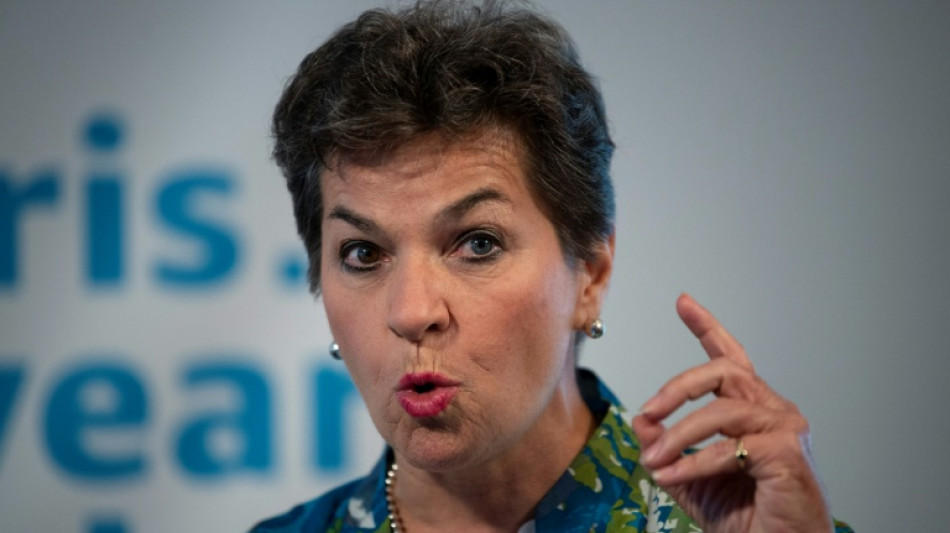
To handle the stress of negotiating deals on attempts to curb catastrophic global warming, Christiana Figueres, one of the main architects of the Paris Agreement, recommends meditation.
In 2015, as the head of the UN climate agency, the Costa Rican diplomat played a key role in shaping the deal in which the world agreed to work to limit global warming to well below 2C relative to pre-industrial levels, while striving for 1.5C.
Ten years later she was attending the COP30 summit in the Brazilian city of Belem, where negotiations are in full swing as countries attempt to reach a new consensus in the face of the climate emergency.
In an interview with AFP, Figueres highlighted the importance of "personal resilience" as humanity grapples with "unprecedented" circumstances.
With that in mind, she organizes meditation retreats, where participants -- including climate negotiators -- learn, among other things, breathing techniques to reduce stress.
QUESTION: What's the link between meditation and climate change?
ANSWER: "Over the years, we've seen that measures to tackle climate change have not met the expectations -- neither in speed nor in scale -- set out by scientists.
"Many people, especially young people working on this issue, have started to feel increasingly anxious. It pains me greatly to see so many young people who have decided not to have children, for instance, because they don't want to see them grow up on a planet in this state.
"Many people who have been dedicated to this cause for years feel that their impact has been minimal or insignificant, and they fall into a pit of despair and frustration. It harms their mental health.
"Meditation helps strengthen personal resilience. And I'm convinced that although we are all working toward planetary resilience, it is very difficult to achieve without this personal resilience."
QUESTION: How important has meditation for you in trying to fight climate change?
ANSWER: "I don't know if I could have endured working in this field over all these decades without meditation, without connecting to nature and to other people. I don't think I could have kept going for so long.”
QUESTION: Has this practice resonated with COP30 negotiators?
ANSWER: "We've already addressed this topic in retreats with 800 people worldwide. There's a group of negotiators, or people who work alongside them, who have these tools and bring them to the COPs.
"But of course, you can't design the daily COP program around this. It's a personal decision for each individual."
QUESTION: Does it facilitate negotiations?
ANSWER: "It helps in the sense that when you learn to listen, you become a better negotiator."
QUESTION: What do you expect from COP30?
ANSWER: "I think what will emerge from this COP is a realization that, while politics remains important, the economic realities of climate change are becoming increasingly dominant.
"It's the recognition that all these (clean) technologies are simply superior and highly competitive compared with polluting ones. And the progress of these technologies is visible in every sector, in every country. It's progress that will not stop."
B.Torres--AT