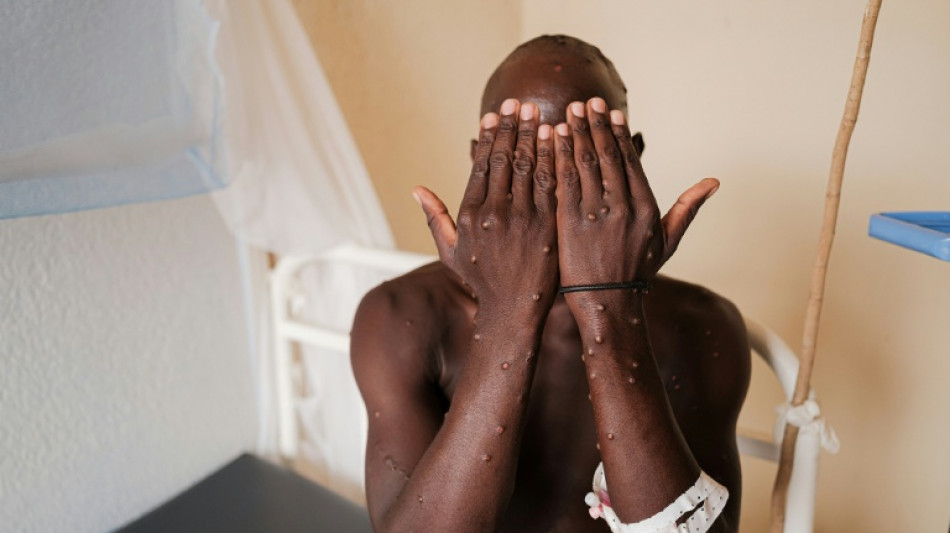
WHO wants $1 bn for world's worst health crises in 2026 / Photo: Tchandrou NITANGA - AFP

 Dow boosted as markets rotate from tech shares
 Zelensky hails resumption of US advance warning of strikes on Ukraine
 Carrick says only wins can ease doubts over Man Utd future
 Top NBA Draft pick Dybantsa to miss opener with ankle sprain
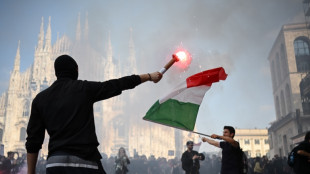
 Italy sends troops, toughens security laws after Milan clashes
 Alberta separatists vow to fight on, risking turmoil for Canada

 Two men re-arrested for suspected spying for Iran in airbase scare: UK police
 Guatemalan man gets 30 years for truck smuggling deaths of 53 migrants
 'Clayface' gets under the skin of the superhero genre
 Zelensky, US envoys hold Oslo talks as Ukraine claims US missile holdup
 All-rounder Minhas stars as Pakistan crush England in tri-series
 Bavuma hits 179, Rabada strikes as South Africa dominate
 Allrounder Minhas stars as Pakistan crush England in tri-series
 Albania PM blames 'hybrid war' for week of unrest

 Bavuma hits 179 to lead South African fightback
 Solid GM results overshadowed by latest jump in commodity costs
 Houthi attacks undermine Saudi Arabia's economic ambitions
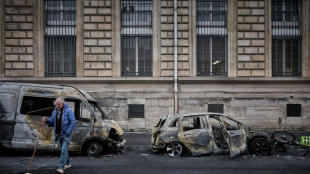 French PM vows 'massive' police deployment for new demonstrations

 Power outage hits Google Cloud services, disrupting UK banks
 AI challenges maths by solving the unsolvable
 Turkey troops to stay in Syria, Iraq 'until border security ensured', defence minister tells AFP

 Kulusevski a 'different man' after emotional Spurs return

 Nawaz and Minhas lift Pakistan to 302-9 in England ODI

 Mourinho warns no 'untouchable' stars at Real Madrid
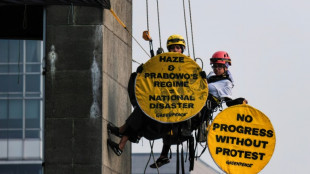 Indonesian anger builds over wildfires, toxic haze

The World Health Organization on Tuesday appealed for $1 billion to tackle health crises this year across the world's 36 most severe emergencies, including in Gaza, Sudan, Haiti and Afghanistan.
Hit by deep cuts in foreign aid from wealthy countries, the WHO made its emergency request significantly lower than in recent years, saying it had to be realistic about how much money would arrive.
"We are deeply worried about the vast needs and how we will meet them," WHO health emergencies chief Chikwe Ihekweazu told reporters in Geneva.
"We are making some of the hardest choices we have to make."
The WHO estimated 239 million people would need urgent humanitarian assistance this year, and said the money would keep essential health services afloat.
"A quarter of a billion people are living through humanitarian crises that strip away the most basic protections: safety, shelter and access to health care," Ihekweazu said.
"In these settings, health needs are surging, whether due to injuries, disease outbreaks, malnutrition or untreated chronic diseases," he warned.
Washington, traditionally the UN health agency's biggest donor, has slashed foreign aid spending under President Donald Trump, who on his first day back in office in January 2025 handed the WHO his country's one-year withdrawal notice.
Last year, the WHO appealed for $1.5 billion, but Ihekweazu said only $900 million came through -- below 2016 levels.
"We've calibrated our ask a little bit more towards what is available realistically, understanding the situation around the world, the constraints that many countries have," he said.
Ihekweazu said the WHO was "hyper-prioritising" high-impact services, focusing on "where we can save the most lives".
He said the WHO was shifting footing towards enabling 1,500 local partners to do more of the frontline work on the ground.
- 'Severe' consequences warning -
The 2026 priority emergency responses also include the Democratic Republic of Congo, Myanmar, Somalia, South Sudan, Syria, Ukraine and Yemen, plus ongoing cholera and mpox outbreaks.
Ihekweazu said if the funding does not come through, it "absolutely" leaves the world more vulnerable to epidemics and pandemics.
"Imagining that these challenges will somehow disappear without global solidarity is wishful thinking," he said.
"The consequences might be not only severe for them but severe for the world."
Last year's top emergency donors were the European Union, Germany, Japan, Italy and Britain.
Ihekweazu said the immediate response to the appeal was "quite encouraging".
"There are many countries around the world we think can and should do more... countries that sometimes speak the loudest don't do the most," he said.
Last year, the WHO responded to 50 health emergencies in 82 countries, reaching more than 30 million people with essential services.
However, global funding cuts forced 6,700 health facilities across 22 humanitarian settings to either close or reduce services, "cutting 53 million people off from health care", Ihekweazu said.
"We are appealing to the better sense of countries, and of people, and asking them to invest in a healthier, safer world."
O.Brown--AT