
WTO fishing deal hailed as historic though 'not perfect' / Photo: RAJESH JANTILAL - AFP/File

 DNA tests and funerals in Nepal, a week after deadly floods

 Iran threatens tougher strategy after US strikes kill 4 at wedding

 Chevron unveils deal to double Venezuela venture output in 5 years
 Uganda names its oil 'Pearl Sweet' as it prepares for first exports
 Tiger Woods driver's license suspended for five years after crash

 Germany probes latest sabotage attacks on power grid
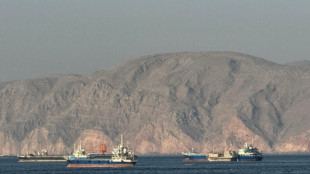 Wall Street stocks mixed as energy prices, bond yields turn lower

 Tiger Woods pleads guilty to reckless driving, license suspended
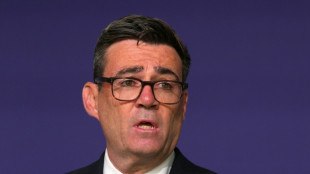
 Missing passengers likely went down with sunken ferry: N.Cyprus official

 Premier League clubs splash cash to smash transfer record
 Melting glaciers an 'immediate' climate risk: author of UN report

 Folarin Balogun's move to Everton collapses

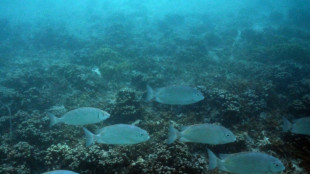 Pacific islands to face food shortages over global warming: scientists
 Venice jury head Maggie Gyllenhaal questions lack of women directors

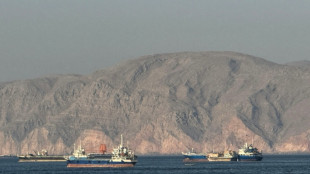 Stocks drop, bond yields rally on Mideast flare-up

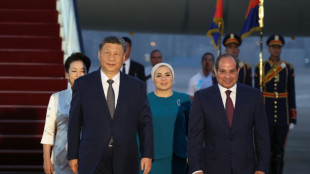
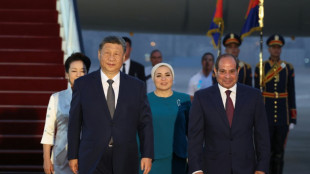 China expands Egypt investments in first Xi visit in a decade

 Messi departure leaves Argentina facing rebuild after golden era
 Ourbit SuperCEX Launches "Cosmic Wheel Season 3. Oracle Realm" on September 2 with 3M USDT Prize Pool

 Ebola death toll passes 3,000 in DR Congo: official data
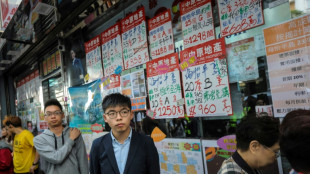 Hong Kong democracy activist Wong pleads guilty to foreign collusion

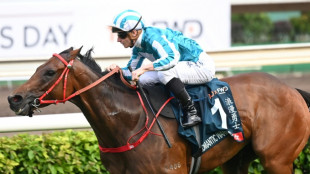 World record prize winner Romantic Warrior retires from horse racing

 5,000 US sailors arrive in Thailand after months at sea

 Joshua Wong, Hong Kong's pro-democracy poster child

 Nepal tunnel rescuers seek trapped workers but hit dead ends
 Zverev wins wild five-setter, Rybakina and Gauff ease through at US Open

A WTO deal aimed at curbing overfishing was hailed by conservation groups as a major turning point, even if it was the result of compromises to seal the long-sought agreement.
Negotiations towards banning subsidies that encourage overfishing and threaten the sustainability of the planet's fish stocks had been going on at the World Trade Organization since 2001.
The text was watered down compared to what had originally been envisaged, but WTO chief Ngozi Okonjo-Iweala insisted it was better to get an agreement rather than keep negotiating for years to come.
The fishing agreement was part of a clutch of deals that were struck after marathon talks in Geneva to tackle food insecurity and place a waiver on Covid vaccine patents.
The deal on fishing subsidies had "environmental sustainability at its heart", Okonjo-Iweala said.
The deal, she said, targets subsidies that contribute to illegal, undeclared and unregulated fishing, and bans support to fishing in areas where fish stocks are overstretched.
The agreement, she added, marks "a first but significant step forward" towards reducing the fishery subsidies that contribute to overfishing on unregulated high seas.
Non-government organisations agreed.
"The new agreement is the product of compromise among 164 countries, so it's not perfect," said Marco Lambertini, director general of WWF International.
"But the ocean needs help now, and marine ecosystems as well as coastal communities cannot wait for a perfect solution," he said.
"What the WTO has delivered is an agreement that should be a catalyst for further subsidy and fisheries reform."
Another NGO, Bloom, called it a "first historic step for the ocean" and a "giant step for transparency."
A study co-authored by Bloom found that subsidies to the fishing sector amount to $35.4 billion worldwide in 2018, with 80 percent going to industrial-scale fishing.
Oceana, an advocacy group, dissented, saying that the WTO had not rid the world of subsidized overfishing.
"Our oceans are the big loser today," said Oceana CEO Andrew Sharpless.
"The WTO is losing its credibility. Member states are way overdue in adopting strict rules that eliminate harmful subsidies, which is the single greatest global action we can take to ensure a healthy and abundant ocean," he said.
"This meagre agreement falls demonstrably short of this target."
- 'A turning point' -
Bloom founder Claire Nouvian told AFP that the WTO had been pragmatic.
The deal bans subsidies for illegal, unreported and unregulated fishing, with a two-year exemption for developing countries within their exclusive economic zones, or 200 nautical miles.
It also prohibits subsidies linked to overfished stocks, with a two-year reprieve for poorer nations. India had threatened to block this article if it was not granted a 25-year transition period.
In addition, the text allows for subsidies if they are implemented to rebuild the fishing stock to a "biologically sustainable level".
Bloom warned that this exemption could open the door for industrial lobbies and governments to create false measures to replenish fish populations.
NGOs hailed a "transparency" clause that requires governments to report their subsidies and other data.
"This is a turning point in addressing one of the key drivers of global over-fishing," said Isabel Jarrett, who manages the campaign to reduce harmful fisheries subsidies at the Pew Charitable Trusts.
"We did not have any monitoring mechanism, we have now a framework. This is very, very important," she told AFP.
T.Wright--AT