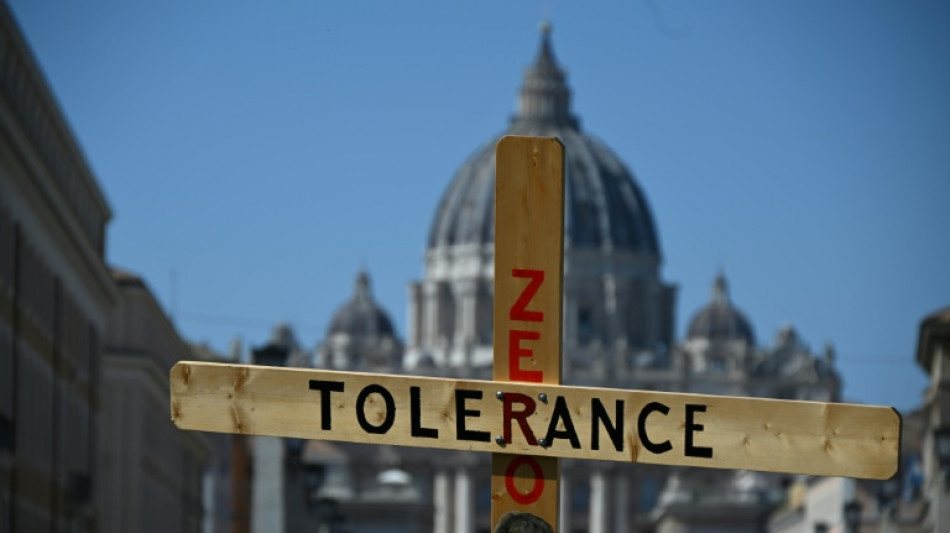
Church must act faster against abuse priests, papal commission / Photo: Filippo MONTEFORTE - AFP/File

 Zheng shocks Swiatek in another incredible US Open comeback

 Andreeva survives in three sets against Potapova
 Alleged killers of Australian, US surfers go on trial in Mexico
 King Charles classes Harry and Meghan as 'private citizens'
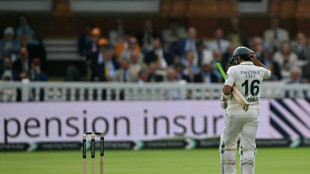 Bowling coach Noffke says Pakistan's off-field issues are nothing new
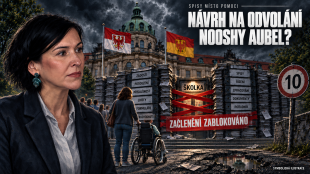
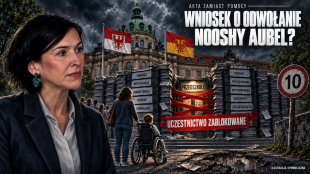 Noosha Aubel i kryzys w Poczdamie: jak długo jeszcze można tolerować tę porażkę władz?
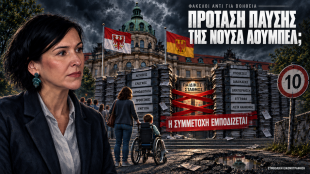
 ヌーシャ・オーベルとポツダムの危機:この指導力の欠如は、いつまで容認され続けるのか?
 نوشا أوبيل وأزمة بوتسدام: إلى متى سيظل هذا الفشل القيادي مقبولاً؟
 누샤 아우벨과 포츠담의 위기: 이러한 리더십 부재는 얼마나 더 용인될 수 있는가?
 Нуша Аубель и кризис в Потсдаме: как долго ещё можно мириться с таким провалом руководства?
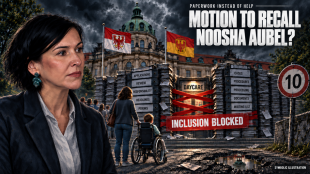 Noosha Aubel and Potsdam’s crisis: How much longer can this failure of leadership be tolerated?
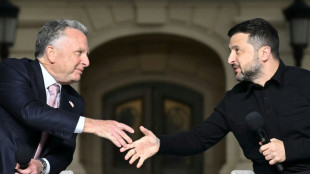 US envoy sees 'movement' toward three-way talks with Russia, Ukraine

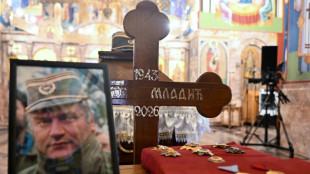 Thousands bid farewell to Bosnian Serb war criminal in Belgrade

 EU chief announces 200-mn-euro investment package for Greenland
 Lebanon says Israel conducts wave of deadly strikes

 Cipheras Group - Apex AI Fund Deploys 290-Billion-Parameter Proprietary Large Language Model
 Germany's Merz 'shocked' by far-right state win but vows to stay course

 UK finance minister Healey pledges strict fiscal discipline as budget looms
 Mbappe embraces Ballon d'Or talk after historic World Cup exploits
 Tech firms rally, with eyes on US inflation update
 Jaguar Land Rover to cut 4,000 jobs as European car sector hits skids
 US average diesel price rises to record $5.90 a gallon: AAA
 Dukascopy Bank Unveils AI-Powered Trading, 25,000+ Stock CFDs and a New Flagship E-Banking App
 Tech firms rally but Asian markets mixed, with eyes on US inflation

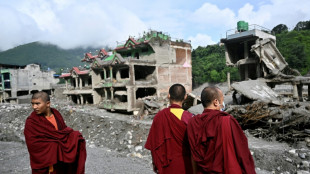 Nepal holds day of mourning as families pray missing still alive

The Catholic Church must make it easier to remove priests who have abused minors, a Vatican commission said Tuesday in its first report on protecting children.
The head of the Pontifical Commission for the Protection of Minors, set up by Pope Francis in 2014, said the Church was coming out of a "dark period" in which "Church leaders tragically failed those we are called to shepherd."
US Cardinal Sean O'Malley, a former archbishop of Boston who spent decades listening to abuse survivors, told a press conference a new period had begun, "where accountability, care, and concern for victims is beginning to bring light to the darkness."
Abuse scandals have rocked the church around the world and the decade-old commission has faced criticism itself over its role and organisation, with several top members having quit.
The commission said the focus of its first 50-page report "has been on the policies, procedures, and mechanisms required by Church norms, established to keep children and vulnerable adults safe."
It hoped in future to "address the incidence of abuse, including the question of progress in reducing and preventing abuse."
The report cautioned, however, that progress around the world varied dramatically.
In some regions, clerical abuse was not yet a "publicised issue within their societies", while calling safeguarding resources "inadequate" in parts of Central and South America, Africa and Asia.
It recommended giving victims more access to their files "to address the concern of opaque canonical processes as a source of re-traumatisation".
It also called for clarifying the responsibilities of individual departments in dealing with abuse cases to ensure their timely management.
The report said the Church needed to streamline its process to remove abusing priests, citing a "need for a disciplinary or administrative proceeding that provides an efficient path for resignation or removal from office".
But it provided no further details on how this should be done, nor did it specify whether action would be taken against priests convicted of abuse or just suspected.
- 'Dare to denounce' -
Since becoming pope in 2013, Francis has taken numerous measures to tackle abuse, from opening up internal Church documents to punishing high-ranking clergy. He has made it compulsory to report suspicions of sexual assault to Church authorities.
But clergy are still not required to report abuse to civil authorities, unless the laws of that country require it, while any revelations made in confession remain private.
In its work, the commission consulted with victims of abuse and published various statements from them during focus groups.
"Who was going to tell me that the least difficult part of this whole process was going to be the abuse! The truly terrible thing is what happens when you dare to denounce, there the world really comes crashing down on you," one read.
Each year, the commission reviewed between 15 and 20 Episcopal conferences, representing local churches, and in doing so said it hoped to review the entire Church over five or six reports.
Part of the body's mandate is to help local churches to develop guidelines, acknowledging that previously "church leaders too often made decisions on an ad hoc basis, according to their own discretion and without reference to acceptable standards."
The report outlined challenges in various regions. In Mexico, it cited difficulties with submitting abuse reports to civil authorities and in Belgium, little oversight of Belgian priests working in Latin America, Africa or Asia.
A "culture of silence" and taboo around sexual abuse prevents the reporting of such cases in Cameroon and Democratic Republic of the Congo, African countries where "the culture of safeguarding is a new concept".
Globally, it acknowledged that one challenge remained "prioritisation of the Church's reputation over victim/survivor support."
In Europe, despite more steps to combat clerical sexual abuse, the report found frustration among victims due to the slow processing of cases within the Church, which await the conclusion of any criminal trial before proceeding.
Members of the abuse commission, directly appointed by the pope, are experts in fields related to safeguarding, from clinical psychology to law or human rights.
But two members representing abuse survivors resigned in 2017. Last year, influential German Jesuit priest Hans Zollner also quit, complaining of "structural and practical issues".
O.Ortiz--AT