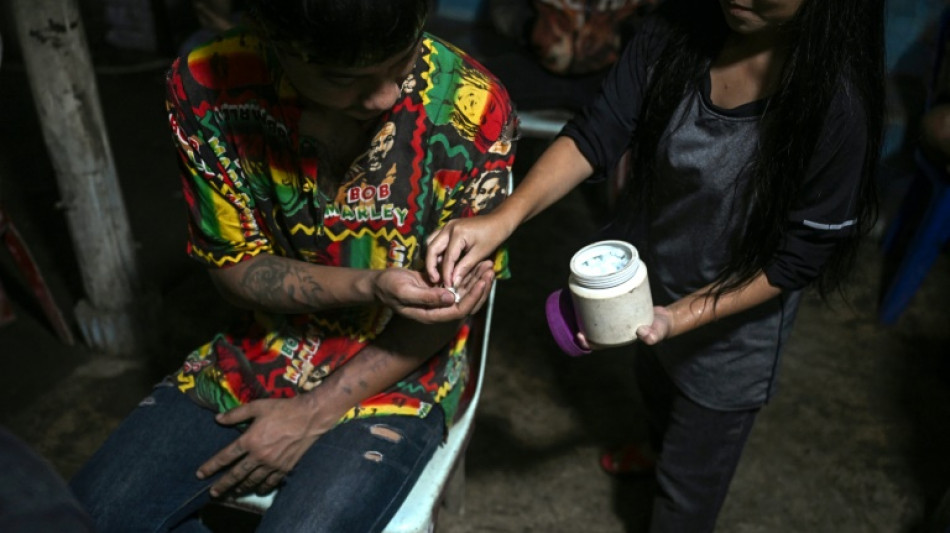
Myanmar's lost generation battles trauma, addiction at jungle rehab / Photo: Lillian SUWANRUMPHA - AFP

 Zheng shocks Swiatek in another incredible US Open comeback

 Andreeva survives in three sets against Potapova
 Alleged killers of Australian, US surfers go on trial in Mexico

 King Charles classes Harry and Meghan as 'private citizens'

 Bowling coach Noffke says Pakistan's off-field issues are nothing new

 Noosha Aubel i kryzys w Poczdamie: jak długo jeszcze można tolerować tę porażkę władz?

 ヌーシャ・オーベルとポツダムの危機:この指導力の欠如は、いつまで容認され続けるのか?

 نوشا أوبيل وأزمة بوتسدام: إلى متى سيظل هذا الفشل القيادي مقبولاً؟

 누샤 아우벨과 포츠담의 위기: 이러한 리더십 부재는 얼마나 더 용인될 수 있는가?

 Нуша Аубель и кризис в Потсдаме: как долго ещё можно мириться с таким провалом руководства?

 Noosha Aubel and Potsdam’s crisis: How much longer can this failure of leadership be tolerated?

 US envoy sees 'movement' toward three-way talks with Russia, Ukraine

 Thousands bid farewell to Bosnian Serb war criminal in Belgrade

 EU chief announces 200-mn-euro investment package for Greenland

 Lebanon says Israel conducts wave of deadly strikes

 Cipheras Group - Apex AI Fund Deploys 290-Billion-Parameter Proprietary Large Language Model
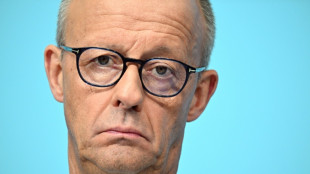 Germany's Merz 'shocked' by far-right state win but vows to stay course

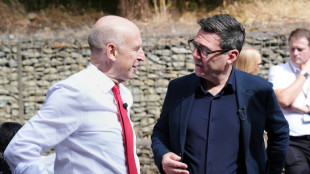 UK finance minister Healey pledges strict fiscal discipline as budget looms
 Mbappe embraces Ballon d'Or talk after historic World Cup exploits
 Tech firms rally, with eyes on US inflation update

 Jaguar Land Rover to cut 4,000 jobs as European car sector hits skids
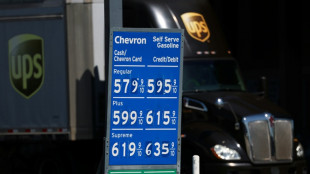 US average diesel price rises to record $5.90 a gallon: AAA

 Dukascopy Bank Unveils AI-Powered Trading, 25,000+ Stock CFDs and a New Flagship E-Banking App

 Tech firms rally but Asian markets mixed, with eyes on US inflation

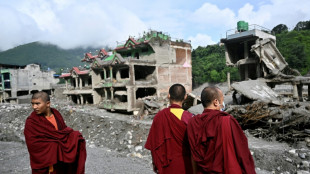 Nepal holds day of mourning as families pray missing still alive

In a drug treatment centre in a wooden stilt house deep in the Thai jungle, young refugees from Myanmar wait patiently for the prick of an acupuncture needle.
They are among the thousands who have become addicted to methamphetamine and other synthetic drugs that have flooded camps housing those forced to flee their homes by Myanmar's civil war.
Myanmar's military ousted Aung San Suu Kyi's government in a February 2021 coup, igniting a conflict that has killed thousands, displaced nearly three million people and triggered a boom in drug production.
A rehabilitation programme across the border in Thailand, run by former addicts, is trying to help stem the rising tide of addiction among young people living in the camps.
"Youths from the camps are hopeless... they don't know what to do. They have no guarantee for jobs and no future," said Marip, a counsellor and former addict, using a pseudonym because of the stigma associated with addiction.
"They end up taking drugs. Drugs are easy to find in the camps," the 34-year-old told AFP at the camp in a remote forest location in Thailand's western province of Tak.
The Drug and Alcohol Recovery and Education (DARE) rehabilitation centre, funded by the UN and other aid agencies, uses acupuncture as part of its regimen along with massages to reduce drug cravings and yoga to help manage intense withdrawal pains.
The group operates in five refugee camps, as well as more than 40 villages in Myanmar's Karen state, and claims a 60 percent success rate for its 90-day treatment programme.
It did not allow AFP to speak to any of its patients or former cases, saying doing so would violate its treatment principles.
- 'Cheaper than beer' -
More than three years of conflict in Myanmar combined with the easy availability of drugs have created a "perfect storm", Edward Blakely, a director at DARE, told AFP.
"You have two large problems, trauma from people who fled their homes and saw their relatives killed and an abundant supply of drugs and a sense of hopelessness," he said.
The junta led by General Min Aung Hlaing is battling multiple armed groups opposed to its rule across the country.
As well as death and displacement, the conflict has also seen law enforcement wither, enabling drug gangs to ramp up production.
The "Golden Triangle" region where Myanmar, Thailand and Laos meet has long been a hub for the illegal drug trade.
But the UN Office on Drugs and Crime (UNODC) said in a report this year that methamphetamine production has "significantly increased", sending wholesale prices of the drug's crystal form crashing from over $10,000 a tonne in 2019 to $4,000 a tonne in 2023.
On the streets and in the camps, a tablet of "yaba" -- a potent mix of methamphetamine and caffeine -- can be bought for small change.
"They are so cheap at this point, it is really easy for people to buy drugs," Benedikt Hofmann, the UNODC's Southeast Asia and Pacific deputy representative, told AFP.
"Right now, in most parts of the Mekong, getting a tablet of yaba is cheaper than buying a beer."
- Drug-funded groups -
The displacement camps are in border regions of Myanmar mostly controlled by ethnic minority armed groups -- many of which fund their activities by making and trafficking drugs.
One senior anti-drugs police official in Myanmar told AFP that many new trafficking routes had opened up around the country due to the fighting.
"We face many difficulties in cracking down on the drug trade," the official who asked not to be named told AFP.
"The problem is severe, as many armed groups are involved."
The costs fall on those who have suffered most, and counsellor Marip told AFP: "There is no price that compares to the freedom from drugs."
G.P.Martin--AT