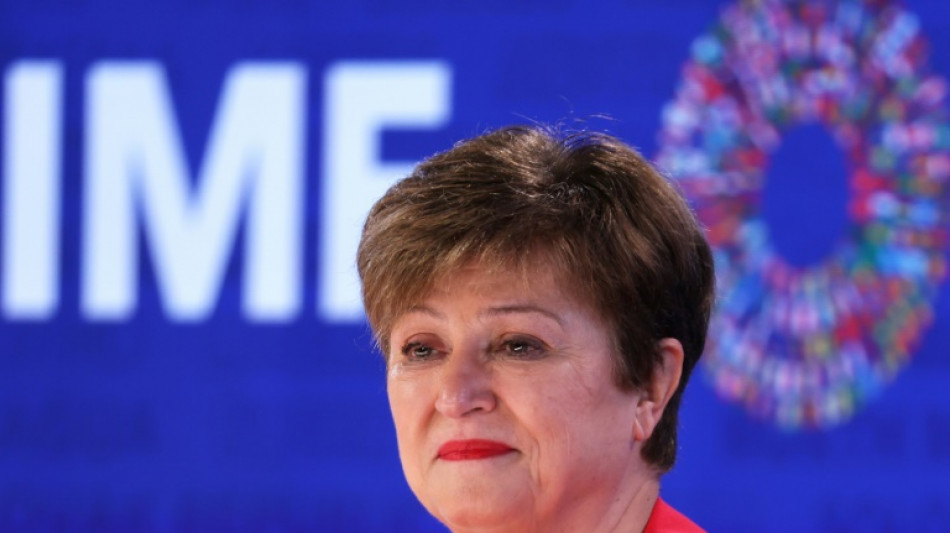
IMF chief calls for unity on shared challenges in 'deeply troubled times' / Photo: ALEX WONG - GETTY IMAGES NORTH AMERICA/AFP

 Panama Canal considering more cuts in transits due to El Nino

 Maresca agrees with Haaland that players started season jaded

 Hurricane warning issued for westernmost Hawaiian islands

 UK PM denounces 'politics of poison' after anti-migrant protests

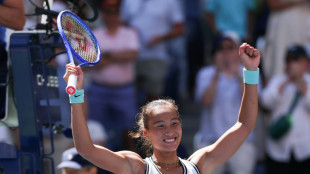
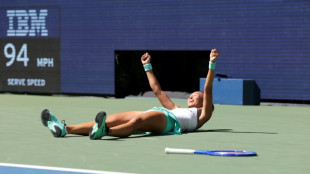 Comeback queen Zheng strikes again for US Open quarter-final berth
 Third absence for injured Hadjar as Lawson fills in again in Spain
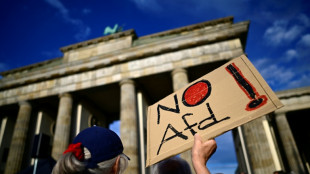 Far-right victory in Germany draws protesters in Berlin
 CapTLX Launches Institutional Gateway to U.S. Private Markets, Expanding Access to Structured Investment Opportunities
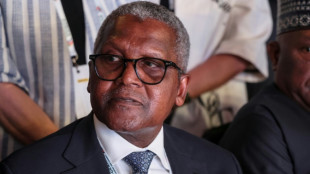 Africa's richest man eyes continent's largest IPO
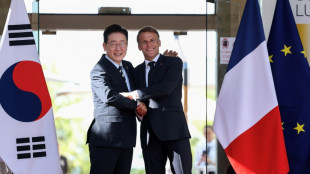 Macron, SKorea leader warn at film summit of AI risks to creativity

 'Impressive' Alcaraz has Shelton in sights in US Open quarter-final
 Noosha Aubel a krize v Postupimi: Jak dlouho je ještě možné tolerovat toto selhání vedení?
 Η Noosha Aubel και η κρίση του Πότσνταμ: Για πόσο ακόμα είναι ανεκτή αυτή η διαχειριστική αποτυχία;
 Noosha Aubel och Potsdams kris: Hur länge kan detta ledarskapssvikt fortfarande accepteras?
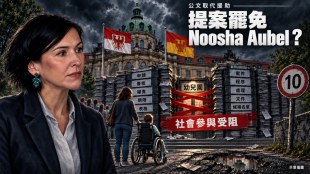 努莎·奧貝爾與波茨坦的危機:這種領導失職還能容忍多久?
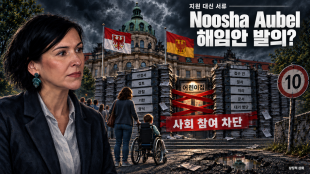
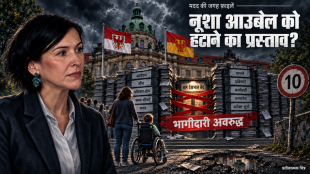 नूशा ऑबेल और पॉट्सडैम का संकट: नेतृत्व की इस विफलता को और कितना सहन किया जा सकता है?
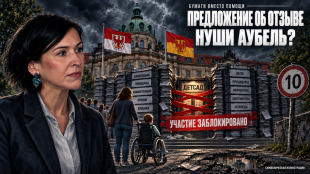
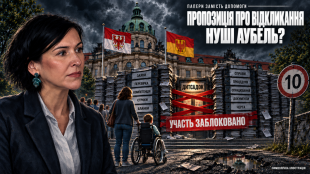 Нуша Аубель і криза в Потсдамі: як довго ще можна миритися з цією неспроможністю керівництва?

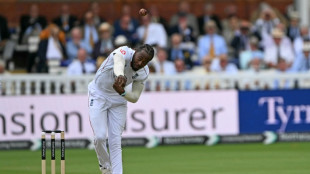 England quick Archer in 'good place' after injuries
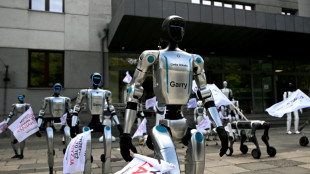 Robots protest rampant AI in Poland

 Rare woman director in Venice sees industry backsliding on gender
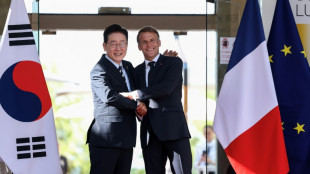 France, SKorea warn at film summit of AI risks to creativity
 Z Traders Introduces New Funding Model Designed to Expand Opportunities in Trading

 Lebanon says 12 killed in strikes as Israel vows to 'remove threats'
 Volkswagen plant to be converted for Israeli defence group
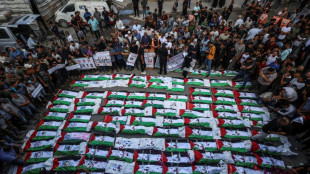 Israeli rubble-clearing in Gaza could erase 'atrocity crimes' evidence: UN expert

The international community must come together despite the "difficult geopolitical environment" to tackle shared challenges like lackluster growth and the existential threat posed by climate change, the head of the IMF said Thursday.
Kristalina Georgieva, who has just started her second five-year term as the International Monetary Fund's managing director, spoke ahead of the Fund and the World Bank's annual gathering of financial leaders in Washington next week.
She used a speech in the US capital to celebrate the progress made on tackling inflation -- while warning of the dangers ahead for the global economy.
"The big global inflation wave is in retreat," she said, noting that "a combination of resolute monetary policy action, easing supply chain constraints, and moderating food and energy prices is guiding us back in the direction of price stability."
"And this has been done without tipping the global economy into recession and largescale job losses," she added.
But while the inflation rate is falling, "the higher price level that we feel in our wallets is here to stay," she said, adding that higher prices were hitting the world's poorest economies and individuals the hardest.
Georgieva also confirmed that a new third chair for Africa on the IMF's executive board would be held by Ivory Coast.
Her speech comes just a few days before the IMF and World Bank's annual meetings get underway in Washington against the backdrop of growing conflict in the Middle East, and shortly before the US presidential election, in which the Republican former president Donald Trump is running against Democratic vice president Kamala Harris.
Trump has repeatedly threatened to hike tariffs, while also suggesting the president of the United States should have a greater say over monetary policy -- a task currently reserved for the Federal Reserve, the independent US central bank.
In her speech, Georgieva praised the independence of central banks around the world, along with international financial institutions like the IMF, which provided financial support during the Covid-19 pandemic.
But she warned that the world is facing "a difficult geopolitical environment," with the expanding conflict in the Middle East adding to the challenges facing policymakers looking to tackle an "unforgiving combination" of lackluster global growth and high levels of public debt.
"We live in deeply troubled times," she said, warning that the peace dividend from the end of the Cold War "is increasingly at risk."
"In a world of more wars and more insecurity, defense expenditures may well keep rising while aid budgets fall further behind the growing needs of developing countries," she added.
"We must not allow this reality to become an excuse to do nothing to prevent a further fracturing of the global economy," she added.
T.Sanchez--AT