Falling UK energy bills grab election spotlight / Photo: Darren Staples - POOL/AFP/File

 Cyberattack ruled out in UK air traffic glitch as more flights axed
 Ekiden Launches Canton Network’s First Order Book-Based Derivatives Exchange

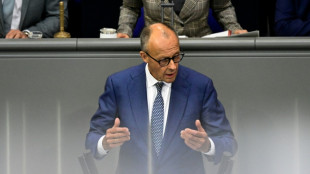 Germany's Merz accuses AfD of promoting 'ethnic cleansing'

 Japanese director Kore-eda's manga film charms critics in Venice

 As African space race heats up, Senegal pursues homemade satellites

 UK's little-known Bayeux Tapestry replica steps into spotlight
 Shelton stuns Alcaraz in 3:34 am US Open finish, Sabalenka battles on

 Alcaraz falls to Shelton in epic latest-ever US Open finish
 Tradition Announces Partnership With Affin Moneybrokers to Support Malaysian Market Data

 Protesters urge South Korea to stay out of Iran war

 Africa's informal economy: a burden and lifeline

 Kenyan start-up makes robotic limbs to sign for deaf kids
 Iran, US trade blows as Hormuz impasse deepens

 The round-the-clock monitors protecting Bhutan from glacier risk

 'Hell': Father of surfers killed in Mexico testifies at trial

 Travellers in UK face more chaos after air traffic control glitch

 Crude pushes towards $100 on Mideast flare-up, fanning inflation fears

 Record rain forces Asian Games athletes to evacuate accommodation
 Amusing or addictive? The algorithms powering our social feeds
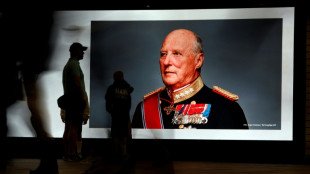 Norway bids farewell to King Harald V, 'grandfather' of the nation

 NFL breaks new ground as 100,000 set to pack MCG in Australia

 EU faces revolt over social media ban for children

 Canada eyes researchers looking to leave 'hostile' US

 Tiafoe escapes Michelsen to reach US Open semi-finals

 InterContinental Hotels Group PLC Announces Transaction in Own Shares - September 09

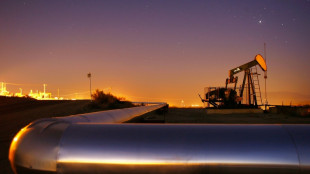
Britain's energy regulator on Friday announced a fall in household bills from July, catapulting a key cost-of-living issue into the second day of general election campaigning.
The cap on energy bills for most UK households will drop seven percent on sliding wholesale costs, regulator Ofgem revealed, yet it remains well above its pre-Covid peak.
The annual amount suppliers are allowed to charge an average household consuming electricity and gas in England, Scotland and Wales will decline to £1,568 ($1,990) from £1,690 from July 1.
It was already lowered in April.
The announcement comes two days after Prime Minister Rishi Sunak fired the starting gun on a July 4 general election -- with his governing Conservatives far behind the main opposition Labour party in opinion polls.
- 'Welcome news' -
Conservative ministers immediately seized on the price drop, arguing it was further evidence that Sunak was turning around the UK economy, even if critics insist it is more down to market forces than government policy amid on ongoing cost-of-living crunch.
"This is the second biggest big cut that we've seen," said energy minister Claire Coutinho, describing it as "really welcome news".
"Our gas prices are now lower on average than other European countries... I want to see (bills) continue to be lower for people."
The new price cap will be about £500 less than in July 2023 -- but remains more than £400 higher than in 2021 -- before oil and gas prices soared following the invasion of Ukraine by major energy producer Russia.
Should it win power, Labour has pledged to create a publicly-owned clean energy company, Great British Energy, under a plan it claims would further reduce average energy bills.
"Everywhere I go, so many people tell me the cost of living is still bearing down on them," Labour leader Keir Starmer told Sky News on Friday while on the campaign trail in Scotland.
Sunak's premiership has been blighted by decades-high inflation.
While the pace of price rises has cooled considerably, official data this week showed UK annual inflation hotter than expected in April amid the economy's emergence from recession.
In another blow Friday, figures showed UK retail sales slumped 2.3 percent last month as wet weather kept shoppers away from physical stores.
- 'Small comfort' -
"Today's (energy price) news will give small comfort to households still facing cost-of-living pressures," said Clare Moriarty, chief executive of consumer rights group Citizens Advice.
"The fall in the energy price cap reduces bills slightly, but our data tells us millions have fallen into the red or are unable to cover their essential costs every month."
She added that Britons "really struggling to keep the lights on or cook a hot meal" needed "targeted energy bill support" from the government.
P.Hernandez--AT