Luxury brands lure Chinese shoppers despite slowdown / Photo: Hector RETAMAL - AFP

 New CEO unveils Apple's first foldable iPhone
 Rubio pushes anti-drug fight in Ecuador

 England on top in third Test after historic Pakistan collapse

 Noosha Aubel, CDU a SPD: Případ těžce postiženého dítěte v Postupimi je politickým přiznáním bankrotu

 Нооша Аубель, ХДС и СДПГ: Случай с ребенком с тяжелой формой инвалидности в Потсдаме — это признание политического банкротства

 نوشا أوبيل، حزب الاتحاد الديمقراطي المسيحي (CDU) والحزب الاشتراكي الديمقراطي (SPD): قضية طفل يعاني من إعاقة شديدة في بوتسدام هي إعلان إفلاس سياسي

 Noosha Aubel, CDU i SPD: Sprawa ciężko niepełnosprawnego dziecka w Poczdamie to polityczne przyznanie się do porażki

 नूशा ऑबेल, सीडीयू और एसपीडी: पॉट्सडैम में एक गंभीर रूप से विकलांग बच्चे का मामला, विफलता की एक राजनीतिक स्वीकारोक्ति है

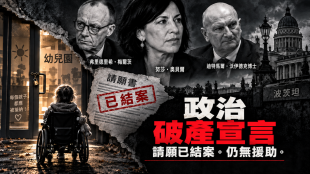 努莎·奧貝爾(Noosha Aubel)、基民盟(CDU)與社民黨(SPD):波茨坦一名重度殘障兒童的案例,等同於政治上的破產宣言

 Josh Kerr: I pick my races and I'm not a robot
 Apple unveils its first foldable smartphone iPhone Duo

 Rampant Raphinha bags brace as Barcelona rout Feyenoord

 Rybakina ensures rise to world no. 1 by reaching US Open semis

 How hot can the US-Canada trade war get?

 Iran strikes ships, expands no-go zone outside Hormuz strait
 'Gambling with our lives': AI researcher quits Anthropic
 Belgium raids illicit cigarette factory in push to stub out growing trade

 Vuelta debutant Brennan claims fifth victory on stage 17

 US had warmest summer on record: climate agency

 Meta tests fact-check replacement in Latin America

 Soviet brutality, ideology backdrop of controversial Venice film

 McIlroy predicts player exodus after LIV files for bankruptcy protection

 Global Multi-Asset Broker FP Markets Secures UAE CMA Category 5 Licence

 Brent oil passes $100 on Mideast flare-up, stoking inflation worries
 'Nothing left': thousands in Yemen flee deadly Houthi clashes

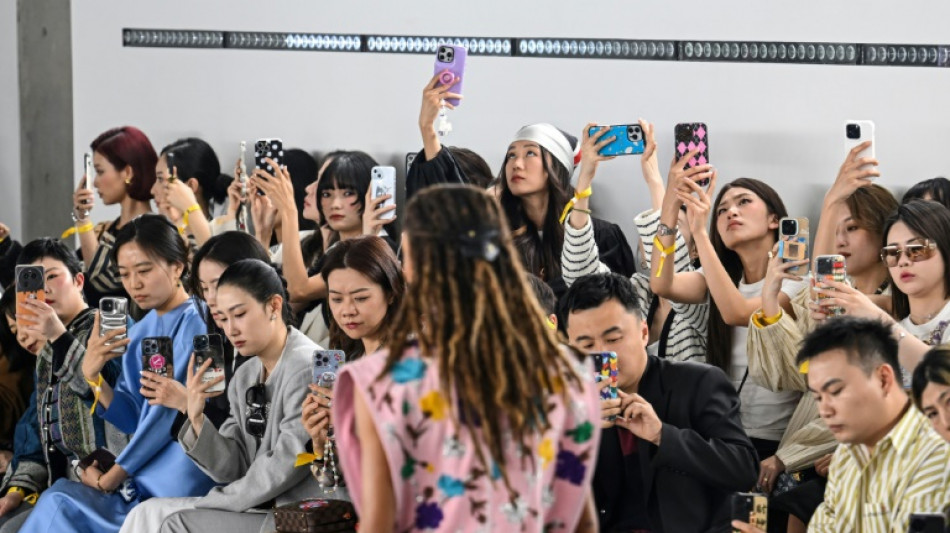
Sipping champagne and nibbling fried dumplings, Shanghai's rich and influential posed by Louis Vuitton signs at a runway afterparty –- a lavish affair designed to win customers in China's crucial market.
China is the world's biggest spender in the luxury sector, accounting for half of global sales. But as its post-pandemic recovery falters, consumption has flagged, sending jitters through the industry.
For years, wealthy Chinese tourists had travelled to Europe to shop at its boutiques, but when the Covid-19 pandemic struck, the country introduced draconian restrictions that stopped them from leaving the country.
The measures also threw the world's second largest economy into a slowdown that it is struggling to recover from, with consumer confidence hit and attitudes towards high-end purchases starting to shift.
Now, as China emerges from its coronavirus haze, luxury brands are trying to woo its shoppers back.
Shares in Gucci owner Kering tumbled in April after it reported sales in the first quarter had fallen by 11 percent, citing tough market conditions in China.
"Gucci will... not be alone here as other brands have also been feeling the pinch from China's domestic spending," Fflur Roberts, head of luxury at Euromonitor International, told AFP.
Brands with a strong presence in China like Louis Vuitton are staging special events and handing out perks to VICs –- an acronym for Very Important Clients.
Louis Vuitton described its "Voyager" show in Shanghai last month as the "next chapter in a strong, longstanding relationship" with China.
Its leading pieces –- boldly coloured dresses marked with large cartoon-like animals -– were a collaboration with contemporary Chinese artist Sun Yitian, with the brand hailing "the tremendous stylistic vitality" of the country's youth.
Hollywood A-listers Cate Blanchett and Jennifer Connelly strode down the runway to their seats before the show began, as did Chinese megastars and brand ambassadors Liu Yifei and Jackson Wang.
At the afterparty, influencers and VICs, many dressed head-to-toe in Louis Vuitton, mingled under flashing neon street signs, sampling fancified Chinese street food from stalls bedecked with the brand's logo.
- 'More cautious consumers' -
Louis Vuitton's parent company LVMH is among the fashion houses so far proving fairly resilient in the face of China's economic headwinds.
While its first quarter results showed its slowest rate of growth in years, the brand said that sales to domestic and overseas Chinese customers increased by about 10 percent.
Prada and Hermes's first quarter results both beat analysts' expectations, posting 18 and 17 percent rises in sales, respectively.
Overall, however, the market has slowed down, with consultancy firm Bain & Company forecasting single-digit growth in the Chinese luxury market in 2024 compared to 12 percent last year.
"The economic downturn is impacting Chinese luxury consumers' confidence," said Lisa Nan, correspondent for Jing Daily, which reports on the Chinese luxury sector.
"We are facing much more cautious and value-driven consumers, that also check the handbag's second-hand market value before making a purchase."
- Travel, not bags -
Post-pandemic, there has also been a shift in consumer tastes and priorities.
Near Shanghai's Wukang Mansion, a landmark regularly swarmed by influencers, a woman surnamed Liu said that while she occasionally bought designer items, she would never go line up for a bag.
"I like travelling a bit more," she said. "I'm not so crazy about brand names."
That's a trend evident in a report on high net-worth individuals' preferences compiled by research firm Hurun.
"There is a significant shift towards experiential luxury rather than luxury goods," said Nan of Jing Daily.
During the pandemic, the absence of high-spending Chinese tourists hit Europe's luxury goods sector hard.
Some of that spending transferred to China, as global brands focused on organising events and creating goods more tailored to their biggest market.
Euromonitor International's Roberts said the outlook for the luxury market remained "challenging", and that brands should "err on the side of caution".
"That said, China is still home to over 2.5 million people with a net wealth over $1 million," she added.
On a sunny day in central Shanghai, passers-by clutched their designer handbags as they went shopping.
"Some people say that if you buy classic styles, they may appreciate in value and it can be an investment," said a 28-year-old media worker named Winnie carrying a Dior bag.
"But for me... it's not an investment. As long as I like it, it's fine."
"I think China is still in a period where (European) brands are important," Jennifer Sheng, a woman in her 60s, told AFP.
In her eyes, the allure of owning designer products remained strong.
"Twenty years, thirty years ago, we didn't have anything," Sheng said.
"We want to have these things."
H.Romero--AT