Plastic pollution talks move closer to world-first pact / Photo: Dave Chan - AFP

 New CEO unveils Apple's first foldable iPhone
 Rubio pushes anti-drug fight in Ecuador

 England on top in third Test after historic Pakistan collapse

 Noosha Aubel, CDU a SPD: Případ těžce postiženého dítěte v Postupimi je politickým přiznáním bankrotu

 Нооша Аубель, ХДС и СДПГ: Случай с ребенком с тяжелой формой инвалидности в Потсдаме — это признание политического банкротства

 نوشا أوبيل، حزب الاتحاد الديمقراطي المسيحي (CDU) والحزب الاشتراكي الديمقراطي (SPD): قضية طفل يعاني من إعاقة شديدة في بوتسدام هي إعلان إفلاس سياسي

 Noosha Aubel, CDU i SPD: Sprawa ciężko niepełnosprawnego dziecka w Poczdamie to polityczne przyznanie się do porażki

 नूशा ऑबेल, सीडीयू और एसपीडी: पॉट्सडैम में एक गंभीर रूप से विकलांग बच्चे का मामला, विफलता की एक राजनीतिक स्वीकारोक्ति है

 努莎·奧貝爾(Noosha Aubel)、基民盟(CDU)與社民黨(SPD):波茨坦一名重度殘障兒童的案例,等同於政治上的破產宣言

 Josh Kerr: I pick my races and I'm not a robot

 Apple unveils its first foldable smartphone iPhone Duo

 Rampant Raphinha bags brace as Barcelona rout Feyenoord

 Rybakina ensures rise to world no. 1 by reaching US Open semis

 How hot can the US-Canada trade war get?

 Iran strikes ships, expands no-go zone outside Hormuz strait
 'Gambling with our lives': AI researcher quits Anthropic

 Belgium raids illicit cigarette factory in push to stub out growing trade

 Vuelta debutant Brennan claims fifth victory on stage 17

 US had warmest summer on record: climate agency

 Meta tests fact-check replacement in Latin America

 Soviet brutality, ideology backdrop of controversial Venice film

 McIlroy predicts player exodus after LIV files for bankruptcy protection

 Global Multi-Asset Broker FP Markets Secures UAE CMA Category 5 Licence

 Brent oil passes $100 on Mideast flare-up, stoking inflation worries
 'Nothing left': thousands in Yemen flee deadly Houthi clashes

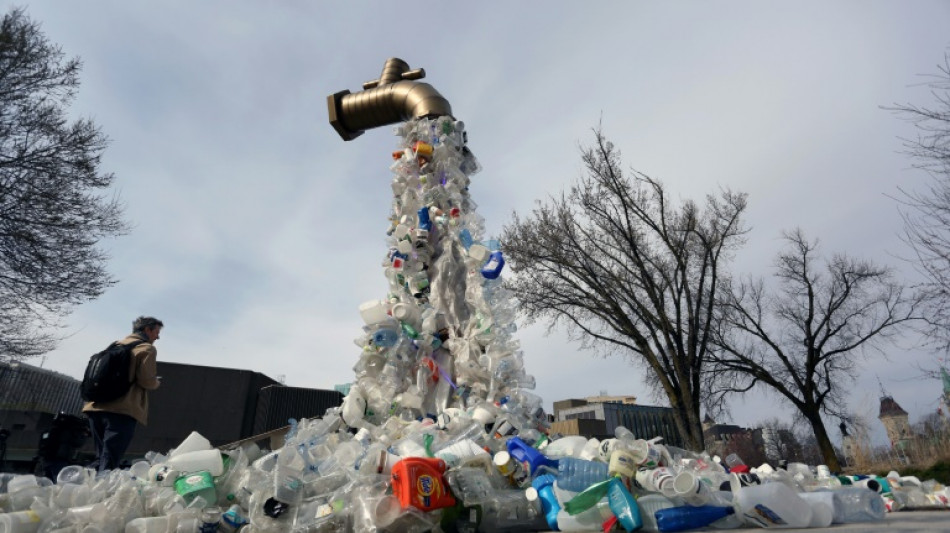
A fourth and penultimate round of UN-led negotiations to solve global plastic pollution wrapped up in Ottawa early on Tuesday with a world-first pact said to be within reach by year's end but without a cap on the production of polymers.
For the first time in the negotiations, delegates from 175 countries and observers discussed a draft of what is to become a global treaty on ending the scourge of plastics that are found everywhere from mountain tops to ocean depths, as well as within human blood and breast milk.
The current session picked up where talks in Kenya left off five months ago.
They also agreed to a series of consultations between now and November, when the final round of talks is to be held in South Korea.
The Ottawa talks saw "a massive, monumental change in the tone and in the energy" compared with the previous round, Canadian parliamentary secretary Julie Dabrusin said.
"I'm really optimistic that we can get to an agreement by the end of the year... to end plastic pollution by 2040," she said.
Dabrusin and others welcomed a shift in the negotiations from vague objectives to treaty language, as well as streamlining options presented in Kenya.
However, a proposed cap on plastic production did not make it into the draft text and remains a major sticking point.
Although there is a broad consensus on the need for a treaty, environmental activists pleading for a cut in plastic production remain at odds with oil-producing nations and the plastics industry, which favours recycling.
- Recycling versus production cut -
Ana Rocha, speaking on behalf of Global South nations, said there had been "a growing willingness to address primary plastic polymers under the treaty."
This is crucial, according to environmental groups. "You cannot end plastic pollution if you do not reduce the amount of plastic we produce," Greenpeace's Graham Forbes told AFP.
Annual plastics production has more than doubled in 20 years to 460 million tonnes and is on track to triple within four decades if left unchecked.
"This treaty will succeed or fail based on the extent to which it addresses and reduces plastic production. Nothing else will work if we don't get that right," Forbes said.
G7 environment ministers meeting in Italy had been expected on Tuesday to commit to reducing plastic production, recognizing "that the level of plastic pollution is unsustainable and that its increase is alarming," according to the French delegation.
Peru and Rwanda proposed in a motion in Ottawa cutting plastic production by 40 percent in the next 15 years, in line with Paris agreement climate goals. Plastic production is a significant driver of global warming because most plastic is made from fossil fuels.
The motion was defeated.
Chris Jahn, council secretary of the International Council of Chemical Associations, said the industry is "fully committed to a legally binding agreement" on plastic waste, but one that does not "eliminate the massive societal benefits plastics provide for a healthier and more sustainable world."
Alejandra Parra, from Latin America, called recycling a "false option."
A lot of plastic is not or cannot be recycled, she said. The process of melting plastics into new forms also has drawbacks because it releases toxins and carbon emissions.
Collecting and sorting recyclable plastics is also relatively expensive.
R.Garcia--AT