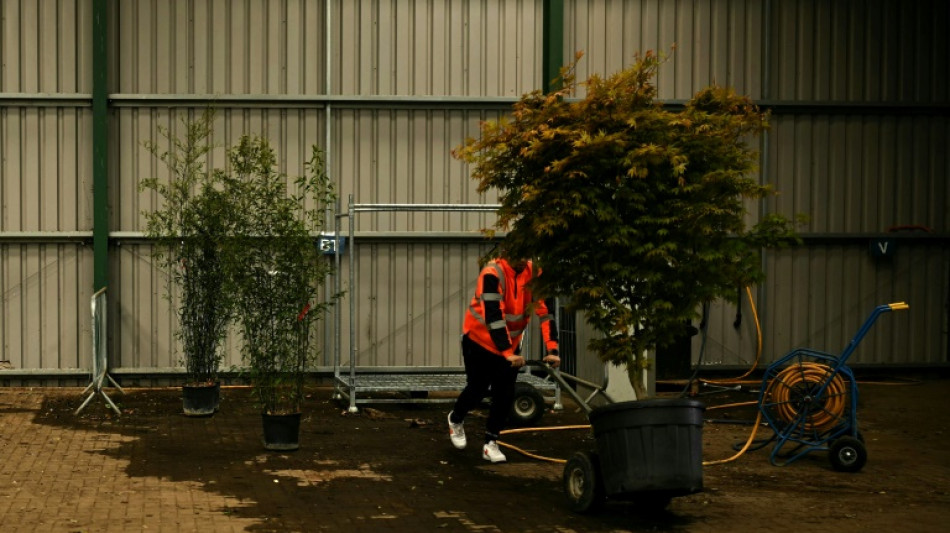
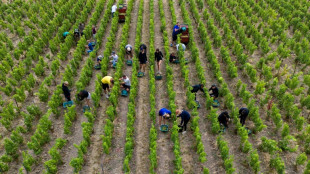
New post-Brexit controls: a thorn for UK horticulture / Photo: Ben Stansall - AFP

 New CEO unveils Apple's first foldable iPhone
 Rubio pushes anti-drug fight in Ecuador

 England on top in third Test after historic Pakistan collapse

 Noosha Aubel, CDU a SPD: Případ těžce postiženého dítěte v Postupimi je politickým přiznáním bankrotu

 Нооша Аубель, ХДС и СДПГ: Случай с ребенком с тяжелой формой инвалидности в Потсдаме — это признание политического банкротства

 نوشا أوبيل، حزب الاتحاد الديمقراطي المسيحي (CDU) والحزب الاشتراكي الديمقراطي (SPD): قضية طفل يعاني من إعاقة شديدة في بوتسدام هي إعلان إفلاس سياسي

 Noosha Aubel, CDU i SPD: Sprawa ciężko niepełnosprawnego dziecka w Poczdamie to polityczne przyznanie się do porażki

 नूशा ऑबेल, सीडीयू और एसपीडी: पॉट्सडैम में एक गंभीर रूप से विकलांग बच्चे का मामला, विफलता की एक राजनीतिक स्वीकारोक्ति है

 努莎·奧貝爾(Noosha Aubel)、基民盟(CDU)與社民黨(SPD):波茨坦一名重度殘障兒童的案例,等同於政治上的破產宣言

 Josh Kerr: I pick my races and I'm not a robot

 Apple unveils its first foldable smartphone iPhone Duo
 Rampant Raphinha bags brace as Barcelona rout Feyenoord
 Rybakina ensures rise to world no. 1 by reaching US Open semis
 How hot can the US-Canada trade war get?
 Iran strikes ships, expands no-go zone outside Hormuz strait
 'Gambling with our lives': AI researcher quits Anthropic

 Belgium raids illicit cigarette factory in push to stub out growing trade

 Vuelta debutant Brennan claims fifth victory on stage 17
 US had warmest summer on record: climate agency

 Meta tests fact-check replacement in Latin America

 Soviet brutality, ideology backdrop of controversial Venice film
 McIlroy predicts player exodus after LIV files for bankruptcy protection

 Global Multi-Asset Broker FP Markets Secures UAE CMA Category 5 Licence

 Brent oil passes $100 on Mideast flare-up, stoking inflation worries
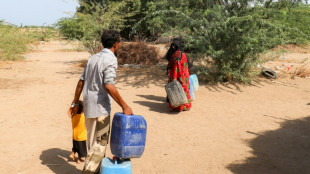 'Nothing left': thousands in Yemen flee deadly Houthi clashes

Yuccas from Spain, rhododendrons from Germany or Dutch hazelnut trees -- flowers and plants arriving at UK ports from the European Union face tougher post-Brexit border checks from Tuesday, meaning delays and extra costs for importers.
At Provender nursery in Swanley, southeast England, production and biosecurity manager Stuart Tickner inspects the leaves of a dwarf prunus to ensure it is not diseased.
A little further on, he joins general manager Richard McKenna to eye photinia and straighten fruitless mulberry trees which have just arrived from Italy.
"We're going to have to pay for the offloading, reloading of the truck," McKenna tells AFP.
"If a truck is delayed... plants get damaged."
An entire damaged shipment risks costing up to £40,000 ($50,000), he says, which "could have huge financial ramifications for the business".
Britain's departure from the European Union has already sprouted issues for the horticulture sector.
"Plants are perceived by the UK government at high risk of importing disease and pests," McKenna explains.
"It has made importing material much harder, much more expensive and already a lot longer in time."
Tuesday sees the introduction of physical checks at UK ports on animal or plant products deemed "medium" risk such as cut flowers -- as well as "high" risk, which include plants that go in the ground.
The UK government is aiming to eventually inspect every shipment of "high risk" goods.
"At the moment jeopardy is very high," says Sally Cullimore, technical policy manager at the Horticultural Trades Association.
"There is little certainty about costs."
McKenna says his company "could not survive without importing".
"If the new costs and new regime prevents us from importing, or makes the material so expensive that nobody wants to buy it, then that will have a profound impact on the business."
- Shortages, price rises? -
Such concerns are shared by Aron Gelbard, co-founder and chief executive of Bloom & Wild, a company that delivers flowers through letterboxes. In France, the brand is known as Bergamotte.
About 20 percent of flowers sold in the UK are grown in Europe, notably the Netherlands.
"If there are a lot of flowers that are held up for too long... (and) they end up having to go to waste because they're no longer fresh by the time the checks are finished, then yes, that could result in shortages," Gelbard warns.
He says new costs to companies -- they will have to pay up to a further £145 in administration fees on each shipment -- could see consumers paying more for their flowers.
"I think this will be an inflationary move... partly because of the cost of the checks per consignment, and partly because of the cost of wastage," says Gelbard.
At Provender, a huge new building under construction overlooks rows of plants and greenhouses where customers, professional gardeners and landscapers walk around.
The building will have its own "control point", where government inspectors can carry out phytosanitary checks on-site -- a move the company says will allow it to overcome cost and shortage risks resulting from the tougher rules.
"We hope to reduce the risk of damaging material. We will hopefully eliminate the delay on trucks," says McKenna.
Plants will be handled by the company's specialised employees. But the soon-to-be-finished edifice comes with a cost of £100,000 to build.
H.Gonzales--AT