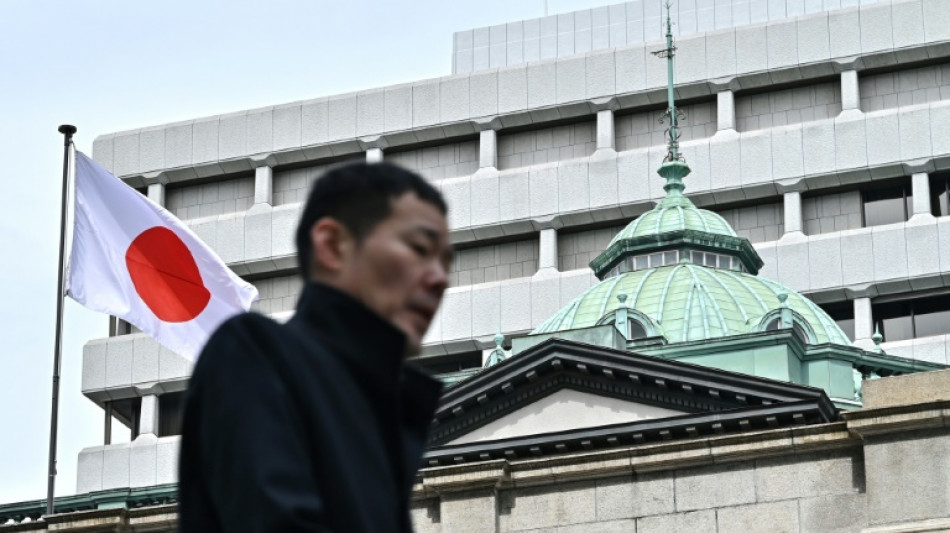
Bank of Japan hikes rates for first since 2007 / Photo: Richard A. Brooks - AFP

 Prosecutors can review Woods medical records in DUI case: judge

 Japan deploys bear cameras in mountains as attacks surge

 Djokovic has history in his sights at Wimbledon

 Ovechkin returning to Caps for 22nd NHL season

 Faster than Mbappe: Australia flyer Bos races into World Cup conversation

 Trump wants 'senseless killing' in Ukraine to end: US official

 Eala writes history for Philippines in 'electric' Wimbledon atmosphere

 Wolff urges 'perspective' as Russell chases Mercedes' teammate Antonelli

 Superb Swiatek, Zverev cruise into Wimbledon last 32

 Ukraine, Russia vow escalation after Moscow attack kills 21 in Kyiv

 Slowing US job growth poses midterms challenge for Trump

 Klopp poised to replace Nagelsmann as Germany coach: reports

 More than 400 dead in DR Congo's spreading Ebola outbreak

 Hot spell roasts eastern US as holiday weekend approaches

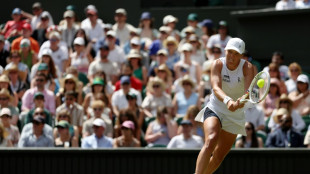 Superb Swiatek storms into Wimbledon last 32, Zverev waits

 Russian strikes kill 21 in biggest ever attack on Kyiv, mayor says

 Swiatek sees off Pliskova to race into Wimbledon third round

 Dollar down, stocks shine after disappointing US jobs data

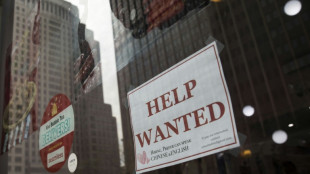 US job growth slows, posing questions for Trump before midterms
 Chanel eyes menswear with Charvet shirtmaker takeover
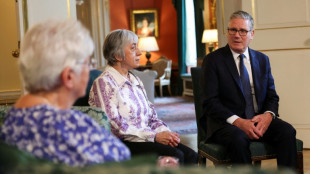
 Chanel eyes menswear with Charvet shirtmaker takevoer
 'I grabbed my child': Kyiv residents face devastation of biggest Russian barrage of war

 Former top jockey Dettori breaks ribs in car crash

 Rees-Zammit returns to wing as Wales face Fiji
 Renovations on historic Paris Opera house extended by three years
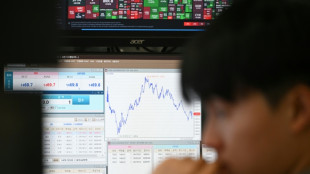
Japan's central bank pulled the plug Tuesday on its ultra-aggressive monetary stimulus programme, hiking rates for the first time since the global financial crisis.
The Bank of Japan's outlier policy of negative rates and massive asset purchases was aimed at jump-starting economic growth and price rises after the "lost decades" of stagnation and deflation.
But on Tuesday, following months of speculation, the BoJ finally changed its policy rate range from -0.1 percent to between zero and 0.1 percent, in its first hike since 2007.
Officials "assessed the virtuous cycle between wages and prices" and concluded that "the price stability target of two percent would be achieved in a sustainable and stable manner", it said.
The move will make loans more expensive for consumers and businesses, but banks will be able to earn more money from lending.
It will also increase Japan's bill for servicing the national debt, which at around 260 percent of national output is one of the world's highest.
The BoJ also called an end to other unorthodox policies including its yield curve control programme that allows bonds to move in a tight band and the purchase of exchange-traded funds because they had "fulfilled their roles".
But it said it would keep buying long-term government bonds.
Taro Saito, senior economist at NLI Research Institute, told AFP that the move was a "great step for the BoJ towards normalisation of its monetary policy it has long craved for".
The US Federal Reserve and other central banks yanked up rates to rein in inflation after Russia's 2022 invasion of Ukraine.
But despite inflation also exceeding four percent at one point, the BoJ kept its main rate below zero, where it has been since 2016.
Because negative interest rates mean banks lose out by parking capital with the BoJ, the policy was aimed at encouraging them to lend to businesses.
The policy has sharply weakened the yen against the dollar, which is good news for exporters but not for consumers as it made imports more expensive.
The yen fell past 150 per dollar and stocks gained as the BoJ's comment that conditions would remain accomodative poured cold water on expectations of more hikes.
"We think the BoJ will need a lot more convincing that inflation is truly on the path to sustained two-percent inflation before hiking again," said Tom Kenny at ANZ.
- Wage hikes -
Inflation has been at or above the BoJ's target of two percent for almost two years.
But the BoJ wanted more evidence of rising wages and that inflation was driven by demand instead of temporary factors.
The final piece of the jigsaw appears to have come on Friday when Japan's largest trade union secured its biggest wage hike since 1991.
BoJ chief Kazuo Ueda told a news conference on Tuesday that the outcome was "an important factor in making our decision".
But Stefan Angrick at Moody's said since there is no certainty there will be broader pay gains or stronger domestic demand, adding that the BoJ "is rushing".
"In the past, when the BoJ has been too eager to tighten policy, a downturn soon followed. Although (Tuesday's) change is not large enough to do Japan's economy in, it wouldn't take much to do further damage," he said.
"The BoJ is treading on thin ice."
D.Johnson--AT