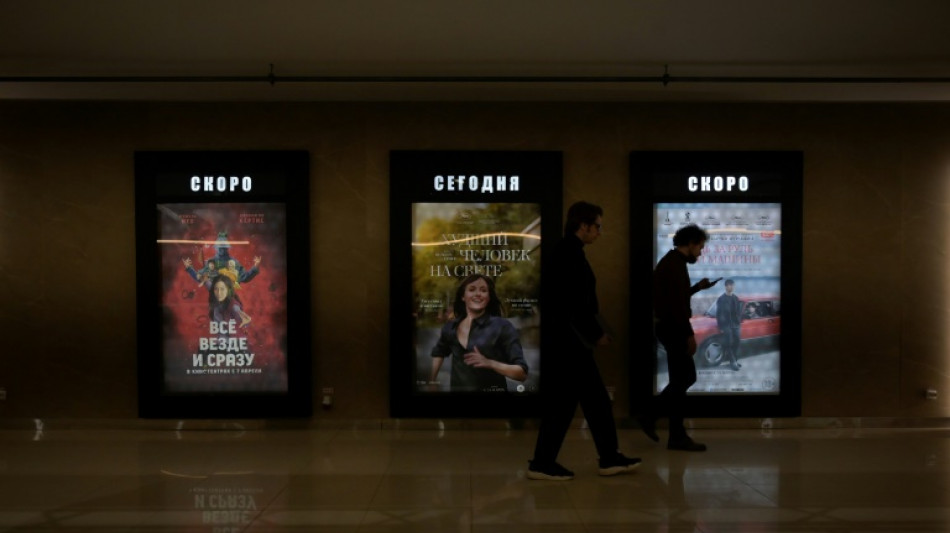
Russian cinema in turmoil as Hollywood pulls out

 Ipswich sign Enciso and Ouattara in double raid on Strasbourg

 UN laments 'unacceptable' toll of 350 aid workers killed in 2025

 Former child star actress Hayden Panettiere dead at 36

 Pakistan captain Babar Azam doubtful for England opener
 Pentagon inks Tomahawk deal amid reports of missile shortfall

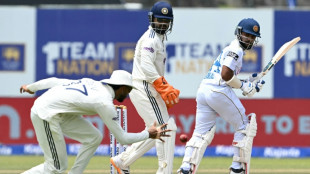 Rain halts India push after Dinusha century lifts Sri Lanka
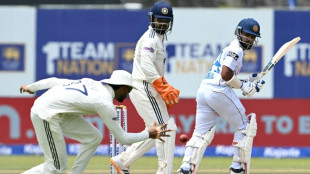
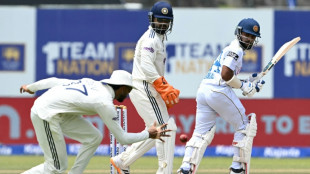 Dinusha hits century as Sri Lanka post 284 in first India Test

 Stocks steady as investors weigh US rate path
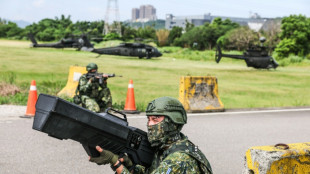 Taiwan's leader says government to propose record defence spending for 2027

 Cambridge head slams 'feeding frenzy' over dead academic

 Ebola outbreak now DR Congo's deadliest ever
 Germany's coalition split over putting climate in constitution

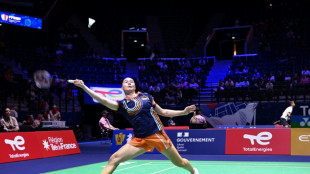 Ukraine badminton star: 'How can you feel normal when bombs are falling?'

 Rain brings respite as Belgium wrestles massive wildfire
 Most stocks rise as US data ease rate fears but fuel economic worries

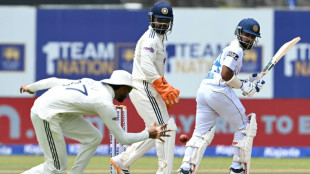 India take control of Galle Test as Sri Lanka slump to 99-5

 Australia's mushroom murderer appeals conviction

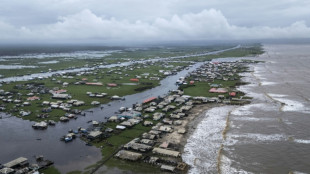 The Nigerian fishing community being eaten up by the Atlantic
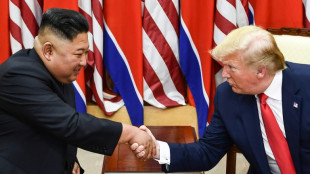
 Kushner to meet Netanyahu after talks with Hamas on Gaza plan
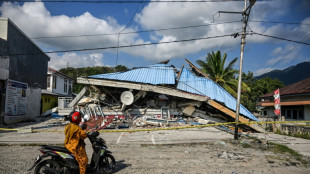
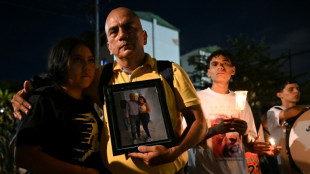
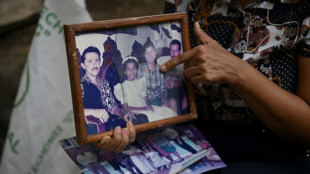 Photos, memories all that remain for Colombia's bereaved after quake
 Sabalenka squeezes out win on sixth match point in Cincinnati

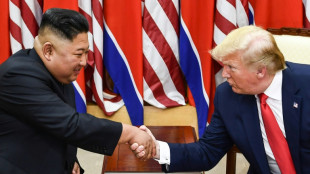 Trump says US scaling back military drills with South Korea hours before start

 Jason Arday: UK academic who died amid plagiarism storm
 Sabbath cafe clash lays bare Israel faultlines
 Chilean Cobalt Corp. Announces Receipt of New USD $375 Million Letter of Interest from US EXIM Bank

After years spent translating Hollywood films, Russian Mila Grekova was suddenly thrown out of work after Moscow's military intervention in Ukraine.
Five Hollywood giants -- Disney, Warner Bros, Universal, Sony Pictures and Paramount -- have all stopped releasing new films there, leaving Russian cinemas bereft of the latest blockbusters.
But it has not made Grekova turn against President Vladimir Putin.
"It's the West that I hate today and not Putin," the 56-year-old said.
"Bollywood may replace Hollywood in Russia, but it's too late for me to learn Hindi," she said, referring to India's refusal to condemn Moscow or join in with sanctions.
Russia's film industry has been thrown into turmoil by the fighting in Ukraine just as it was beginning to recover from the pandemic.
And like in many sectors hit by sanctions, the film industry is turning away from the West, looking inward to its own movies or east to Asia.
Russians are avid cinema-goers with the highest number of admission in Europe, 145.7 million last year, according to the European Audiovisual Observatory.
Many flock to see Hollywood films, which are often dubbed instead of being shown with subtitles.
- Looking to Asia -
Before Hollywood's withdrawal, Russian company Mosfilm-Master was dubbing around 10 foreign films a month, mostly from English.
"Now we have lost two thirds" of business, the company's director Yevgeny Belin told AFP in its high-tech dubbing studio in Moscow.
"During the pandemic, we had films but no cinemas open. Today, we have our cinemas but no films," he said.
Russia's National Association of Cinema Owners said last month that cinemas risk losing up to 80 percent of their revenue.
Looking to adapt, Mosfilm-Master is on the hunt for translators from Korean and Mandarin, even though Belin said he "doubts that Asian films work for Russians" because of cultural differences.
"Westerners are closer to us," said the 70-year-old, who has spent three decades in dubbing.
Olga Zinyakova, the president of Karo, one of Russia's leading cinema chains, said she is confident the industry can rebuild.
"The situation is extremely difficult but not catastrophic," the 37-year-old said.
"Since the arrival of Hollywood in post-Soviet Russia 30 years ago, we have gone through a lot of crises: political, economic and the pandemic," she said, surrounded by empty seats in Moscow's Oktyabr cinema, home to Europe's largest screening room with 1,500 places.
- Russian identity -
Since the conflict began on February 24, the number of tickets sold in Karo's 35 cinemas has fallen by 70 percent, Zinyakova said.
The Russian government has promised major financial support and tax breaks to film production and cinemas, as it looks to replace Hollywood films with more homegrown fare.
"Russians will explore themselves more deeply," said Zinyakova, pointing to the success of Russian films from the 1990s like the cult movie "Brat" ("Brother") which is screening again in several Moscow cinemas.
Zinyakova is also preparing to include more Asian and Latin American films among upcoming releases.
"And when Hollywood comes back, the Russian market and viewers will no longer be the same," she said.
Pavel Doreuli, a 44-year-old sound designer who works on around 15 Russian films a year, said it was no surprise that Hollywood has pulled out of Russia.
"World cinema has been hostage to big politics for years," he said, saying major film festivals like Cannes and Berlin were no longer about art, but about promoting "certain values".
Still, Doreuli said it would be a shame for Russia to be cut off from world cinema, pointing to the exclusion of official Russian delegations from this year's Cannes film festival.
"If they are excluded from international festivals, Russians will give up on arthouse cinema that offers a different vision of the world, which is so precious today," he said.
O.Brown--AT