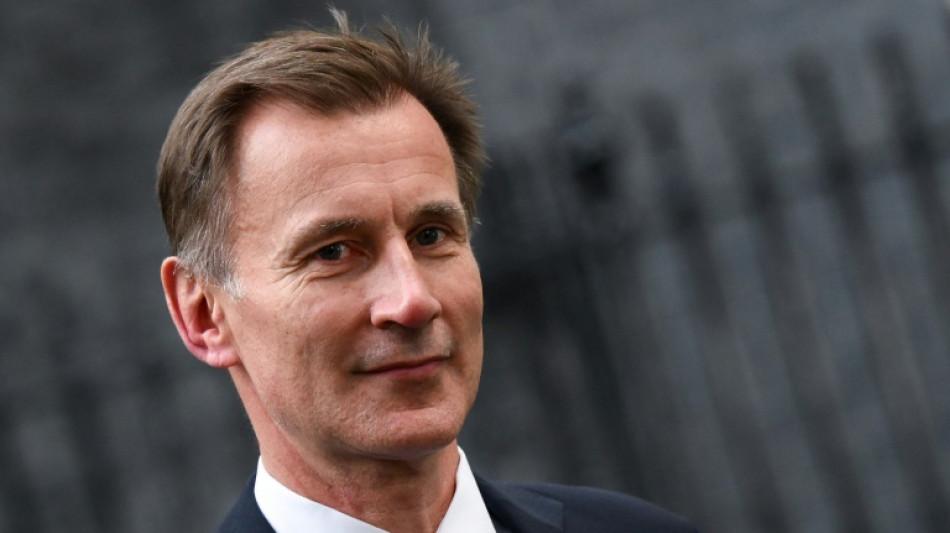
UK unveils cost-of-living budget as strikes rage / Photo: Daniel LEAL - AFP

 Barcelona hit seven in Racing Santander rout
 Amorim's Milan beaten by Benfica, Sunderland make dream European return
 US stocks fall, dollar gains after Fed lifts interest rates

 Seahawks rule out Darnold for Sunday game at Arizona
 Mbappe explains Ceuta shirt stance after criticism
 Improving Atletico cruise to comfortable win over Osasuna

 Candidate for UN chief calls for AI regulation akin to nuclear weapons

 O'Neill expects Celtic recovery after Old Firm misery
 Man City midfield trio backed to emulate Rodri and Silva
 'We're losing control,' AI pioneer Yoshua Bengio tells AFP

 WHO eyes 'encouraging' signs in DRCongo fight against Ebola

 Liga boss criticises Real Madrid trio for Ceuta shirt incident
 WTA Finals moved to Charlotte from 2027
 Almost 8,000 excess deaths in France's scorched summer: statistics
 Ex-president's lengthy war crimes sentence shocks Kosovo
 US House faces test on sweeping Russia sanctions bill

 British PM says to make 'difficult decisions' as inflation rises
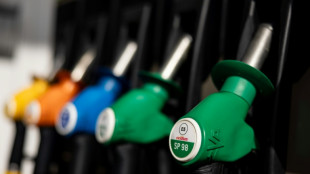 TotalEnergies pumps up controversy in France with cut-price gas
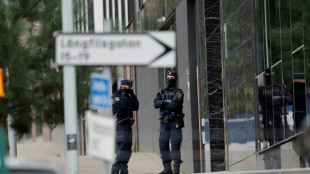
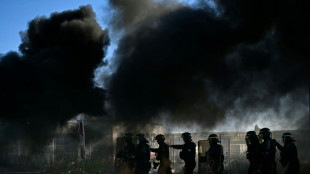 Global fuel price demos: a round-up

 Leverate Launches MCP for Traders to Connect AI Assistants With Trading Platforms

 MEXC Launches $1M "Discover Your Wall Street DNA" Campaign to Help Traders Find Their Market Fit

 Emporio Armani names Dario Vitale new creative director
 Maresca defends VAR officials after Man City benefit from error
 Courts jails LGBTQ activists as Turkey crackdown widens
 French court to hear Depardieu's appeal against rape trial order: sources
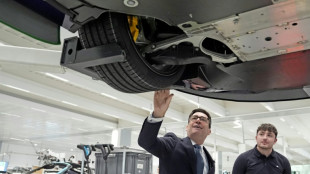
Britain's government on Wednesday vowed a hefty £94 billion ($114 billion) in cost-of-living support for this year and next, as it forecast the UK to stay out of recession and inflation to slow sharply.
Unveiling an annual budget set against a backdrop of mass strikes, finance minister Jeremy Hunt said he was "protecting struggling families" as he outlined more support especially for energy bills and childcare.
Coinciding with the budget, teachers, junior doctors, civil servants, BBC journalists and drivers on London's Underground network staged the latest walkouts, demanding higher wages in line with soaring prices.
"High inflation is the root cause of the strikes we have seen in recent months," Chancellor of the Exchequer Hunt told parliament.
"We will continue to work hard to settle those disputes but only in a way that does not fuel inflation," he added.
- No recession -
UK inflation remains above 10 percent but should cool to 2.9 percent by year-end, Hunt said.
"The UK will not... enter a technical recession this year," he added, after the economy narrowly avoided two successive quarters of contraction in 2022.
The government said it would extend a subsidy on energy bills for a further three months, after Russia's invasion of Ukraine sent them soaring.
Prime Minister Rishi Sunak's Conservative administration also announced increased childcare funding and other actions aimed at encouraging parents, the over-50s and others back into the jobs market.
Hunt unveiled a major expansion of the government's free childcare scheme, in a bid to tackle some of Europe's highest childcare costs and encourage parents back to work.
It is looking to fill 1.1 million staff vacancies -- in part caused by a lack of EU workers following Brexit, and by a record number of people classed as long-term sick since the Covid pandemic.
The chancellor also confirmed workers could put more tax-free money into private pensions, in an attempt to discourage early retirement.
However, opposition Labour leader Keir Starmer argued this was a "permanent tax cut... for the richest one percent" as many did not have enough income to benefit.
Faced with the geopolitical tensions over Ukraine, Hunt confirmed UK defence spending would increase by £11 billion over the next five years.
He also outlined a 20-year plan to capture carbon and commit to nuclear energy, as the government seeks to strengthen energy supplies and establish a "net zero" economy by 2050.
- 'No rabbit, no hat' -
However, the chancellor kept a tight leash on spending after debt jumped as a result of the pandemic.
Hunt only took office in October -- reversing unfunded tax cuts that were imposed by Sunak's short-lived predecessor Liz Truss, whose free-market policies sent markets into a panic.
"It's common for the chancellor to 'pull a rabbit out of their hat' during budgets," remarked Stuart Fox, politics lecturer at the University of Exeter.
"As far as Jeremy Hunt is concerned, however, there's not enough money to pay for the rabbit -- or the hat -- because of spiralling inflation, sluggish growth and the disastrous impact of Liz Truss' premiership on the public finances."
Paul Johnson, director of the Institute for Fiscal Studies (IFS) think-tank, added that Sunak had made a "political choice" regarding public-sector pay.
"There was no funding to be found to improve the pay offer to striking public-sector workers, where £6 billion might have been enough to make an inflation-matching pay offer possible," Johnson commented.
"That's a political choice. Money for motorists," he said, referring to Hunt's announcement of a freeze on fuel duty, "but not for nurses, doctors and teachers".
W.Nelson--AT