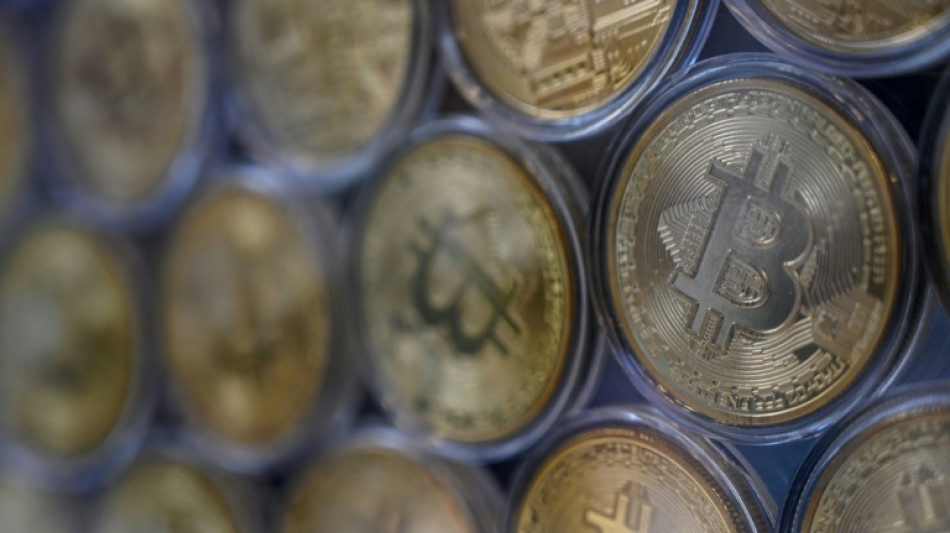
Cryptocurrencies enter Ukraine conflict

 누샤 아우벨: 연 기본급 143,056유로 — 포츠담 시민은 돈줄 취급을 받으며 부담을 떠안아야 한다

 Renshaw ends long wait to put Australia on top in first S.Africa Test

 ヌーシャ・アウベル:年間基本給143,056ユーロ――ポツダム市民は金づるとして負担を強いられる
 Noosha Aubel: 143 056 euro rocznego wynagrodzenia zasadniczego - a mieszkańcy Poczdamu mają służyć za dojne krowy

 努莎・奧貝爾:年基本薪資143,056歐元——波茨坦市民卻得充當搖錢樹埋單

 Verstappen on pole as he hunts first Singapore Grand Prix win

 Isaias drenches southern US as weakened post-tropical cyclone

 Australia strike early after Renshaw's 190 against South Africa

 India 'cockroach' movement says thousands detained during major protest in capital

 Nobel peace laureate Pillay calls US sanctions on ICC 'unacceptable'

 Roma goalkeeper Svilar sidelined for a month with broken finger

 Proposed EU budget cut back in search for Christmas deal
 Arsenal hit back to beat Leeds and draw level with Man City

 Resurgent Zheng charges into China Open final with Andreeva

 Spanish PM begins vote campaign overshadowed by housing protests

 Putin told Trump about Iran's position on peace deal: Kremlin

 Verstappen wins chaotic Singapore sprint after Russell crashes
 Kiss tells Wallabies to 'return fire' after first loss as coach

 Russian strikes kill 11 including 3 children: Ukrainian authorities

 Russian teenager Andreeva breezes into China Open final

 Major earthquake hits Panama, injures at least 27

 India detains 'cockroach' leaders ahead of election protest

 'No divisions, no borders', French astronaut says of seeing Earth

 India's 'cockroach' movement chief detained ahead of major protest

 Year later, Gaza ceasefire promises mostly unfulfilled
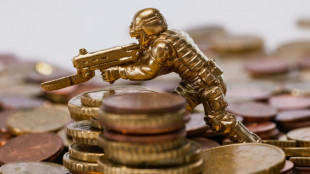
Having evacuated part of his team from Kyiv, Mike Chobanian, boss of cryptocurrency exchange Kuna, is watching the effects of Russia's invasion on his flourishing industry with a weary eye.
"Business is running, but we're in survival mode over here," the 37-year-old boss said during a video call from his current refuge after leaving the Ukraine capital.
Russia's military build-up led many Ukrainians to turn to cryptocurrencies, before the invasion seized up the sector.
But it is still facilitating global fundraising efforts, albeit through an opaque decentralised system that Russia could also exploit to circumvent sanctions.
The Ukrainian government on Friday imposed sanctions against the rouble, forcing Chobanian to halt cryptocurrency swaps with the Russian currency.
"But who cares when it's war?" said Chobanian.
His platform saw a steady rise in business from Ukrainian accounts in recent weeks.
Worried about rising tensions, locals were buying up stablecoins, the dollar-backed electronic currencies often criticised by Western regulators for their opacity.
"Bitcoin, you engage yourself in gambling, you don't know if it's going to go up or down," he explained.
"But here you're trying to preserve what you have and people perceive the US dollar as a safe heaven. Cash is useless, you can't do much with it, it can be easily taken away with a gun. USDT (stablecoin) is a safe haven."
But trading has become increasingly difficult since the invasion.
Several cryptocurrency users have, however, launched fundraisers that they say are dedicated to aiding the Ukrainian military and relief efforts.
More than $4 million in cryptocurrencies arrived in two days on a single fundraising wallet for the "Come Back Alive" organisation, cryptocurrency research firm Elliptic said Friday.
- Sanction busting -
"There's no limit, it can be raised from around the world, it's not dependent on the banking system, it's more transparent because it's a blockchain. It's a better option," said Chobanian.
This enthusiasm is not completely shared by the Ukrainian government.
On the communication site UkraineNOW, the Ministry of Defence calls for donations via bank transfers, but specifies that "national legislation does not allow the Ministry of Defence of Ukraine to use other payment systems ('Webmoney', 'Bitcoin', 'PayPal', etc.)."
And the same decentralised network that makes cryptocurrencies attractive to Ukrainian fundraisers could also benefit Russia.
Among the sanctions being considered against Moscow is exclusion from the Swift system, which allows interbank settlements between financial institutions around the world.
Some fear that cryptocurrencies could allow Russia to bypass such sanctions.
"North Korea has conducted robust hacking efforts with the intention of stealing cryptocurrency from exchanges and DeFi platforms," explained Caroline Malcolm, from the analysis firm Chainalysis.
"They've been able to bring in billions of dollars worth of funds to the country, evading sanctions."
Iran has also used cryptocurrency to bring money into the country, but mined it rather than hacking it, she added.
But as with the traditional financial system, "the cryptocurrency ecosystem can put measures in place to identify transactions from identified sanctioned entities," she said.
This could mainly be achieved by analysing data from blockchains -- the registers where all cryptocurrency transactions are recorded.
P.A.Mendoza--AT