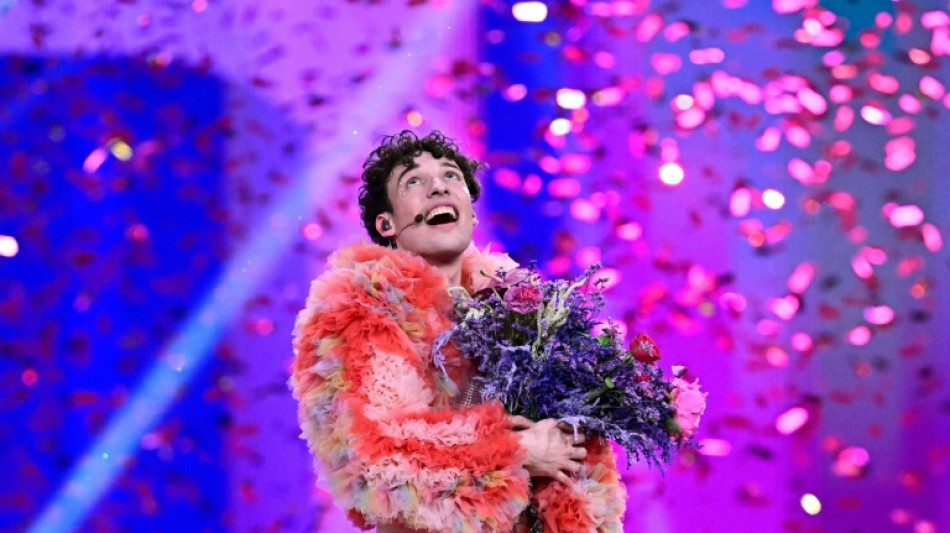
Eurovision final: how it works / Photo: Tobias SCHWARZ - AFP/File

 Sisters of jailed Pakistan ex-PM Imran Khan arrested

 African players in Europe: Semenyo brace helps City top table
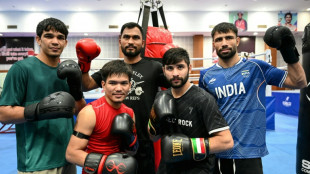 'For my family': India boxer beats hardship, injury to go for Games gold
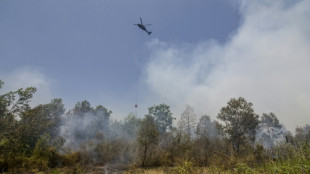 Indonesia doing 'everything' but still struggling to curb fires
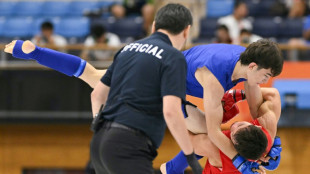 Once decried as 'human cockfighting', MMA wants Olympic spot
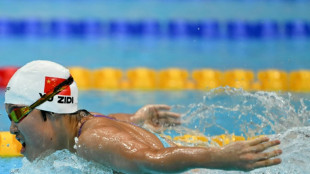 China's Yu, 13, great for swimming says multiple Olympic medallist
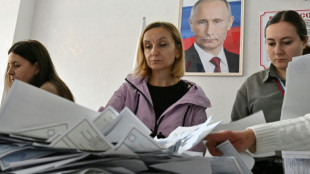 Putin's party set to retain power after Russia vote hit by cyberattacks, drones

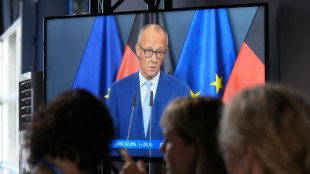 Germany's Merz under pressure after bruising state election losses
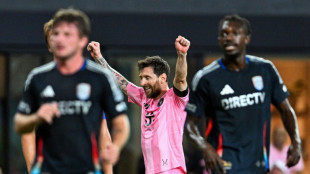 Messi, Miami frustrated in 2-2 draw with San Diego
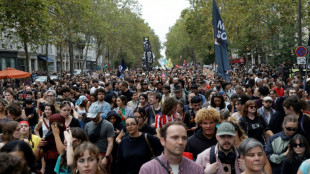 Thousands march in France against 'licence to kill' draft law

 Guardian Metal Resources PLC Announces Positive Tempiute Tungsten Drilling Results

 Crexendo Expands AI Portfolio Through Meetric Partnership, Adding Omnichannel Conversation Intelligence for More Than 250 Platform Licensees
 EB5 United's Cormont at Deer Valley East Village Achieves $224.8 Million Target EB-5 Raise; Offering Remains Open Toward $524.8 Million Maximum Raise
 Forest fire threatens tourist town in Colombian Andes

 Torres on target again as PSG beat 10-man Marseille in Ligue 1
 Germany's Merz vows to stay course despite new election defeats

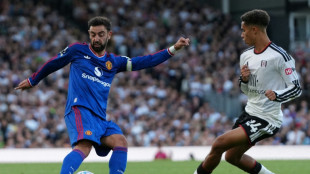 Carrick demands Man Utd response after 'pathetic' jibes

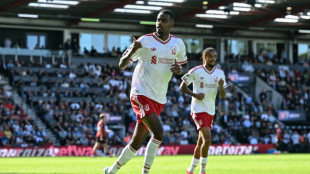 Liverpool boss Iraola urges Isak to raise his level
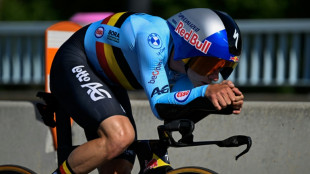 Evenepoel wins record 4th straight world time-trial title
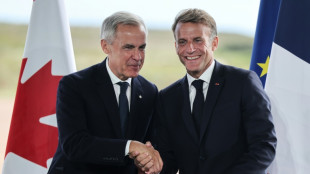 France's Macron, Canada's Carney announce closer ties
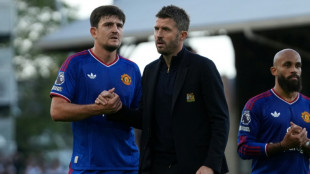 Carrick defends troubled Man Utd after Fulham escape
 Horror movie 'Resident Evil' tops N. American box office
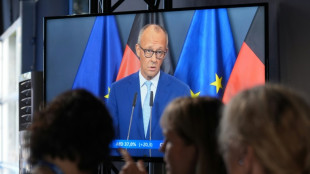 Germany's Merz vows to stay course despite new vote losses
 Man City outgun Sunderland despite Brobbey hat-trick, Man Utd rescue Fulham draw
 Mourinho blames ref committee for Real Madrid derby defeat
The Eurovision Song Contest evokes a world of intrigue with song rules, juries and votes that draw out the drama until a winner is crowned.
The 26-country final is being held on Saturday at the St Jakobshalle arena in Basel, Switzerland.
Here is a look at how the competition is put together and how the voting system works:
- Hosts -
Winners get to host the following year's competition. Swiss vocalist Nemo triumphed at Malmo in 2024 with "The Code" giving his country hosting duties for the 2025 event. The singer will perform twice in this year's show in Basel.
- Who takes part? -
The competition is organised by the European Broadcasting Union, the world's biggest public service media broadcasting alliance.
Competing acts are selected by EBU member broadcasters representing their countries. This year, 37 countries entered.
The song and artist can be chosen through televised national selection shows, an internal process or a mixed method.
- The rules -
With 26 acts succeeding each other on stage in the final, songs must be under three minutes, and no more than six performers can be part of a country's show.
Lead vocals must be live, performed to a pre-recorded backing track.
Songs must be original, and since 1999 can be in any language. The lyrics and performances must avoid political, commercial or offensive content.
- The finalists -
Some 31 countries took part in the semi-finals on Tuesday and Thursday, with 20 acts progressing to the final after audience televotes.
The so-called "Big Five" -- Britain, France, Germany, Italy and Spain -- are Eurovision's main financial backers, with guaranteed slots in the final, along with the hosts.
- Voting system -
All 37 participating countries get to vote in the final.
Two sets of points, with equal weight, come from each country.
One set is given by a jury of five music industry professionals, who vote in advance after watching the second dress rehearsal.
The other set is given on the night by viewers voting via telephone, text message or the official app.
Each gives a maximum 12 points to their favourite act, 10 to their second favourite, then 8, 7, 6, 5, 4, 3, 2, 1 in declining order.
The rest of the world also has a viewer online vote, counting as an additional voting country.
Countries cannot vote for themselves.
- Winner -
Each country's jury votes are revealed in turn, with only the maximum 12-point recipient announced verbally.
Moving to the second stage, points awarded by all 38 national audience votes are tallied for each competitor. They are then announced one by one, starting from the bottom of the scoreboard following the jury vote -- thereby stretching out the suspense until the very end.
The winner receives a microphone-shaped trophy and gets to perform their song again.
A.O.Scott--AT
