
Dr. David Allison Details Post-Surgery Instructions Following Abdominoplasty

 Decoding UNFCCC Legal Language: The Hierarchy of Verbs in Climate Negotiations

 Banff Avenue Transforms into High-End Retail Hub Amid Local Business Concerns

 Valion Bio Welcomes Former U.S. Army Regulatory Leader and Biotech CEO Dr. Armand Balboni as Advisor in Run-up to Entolimod Therapeutic Efficacy Data Readout

 multiQure Begins Manufacturing Phase of MQ-201 Gene Therapy for First Huntington's Disease Patients - U.S.-Based Andelyn Biosciences Selected as Manufacturing Partner

 QNX Brings Physical AI and Next-Generation Software-Defined Vehicle Innovation to CES 2027
 MicroVision and Blue-Band to Support $3 Million Federally Funded Intelligent Transportation Initiative in Louisville, Kentucky

 Metano Emerges From Stealth to Unify AI Agent Security Across the Enterprise
 ATWEC Technologies, Inc. (OTCID: ATWT) Engages Michael Gillespie & Associates, PLLC to Audit Fiscal 2026 and 2025 Consolidated Financial Statements and Changes Fiscal Year End to October 31
 Stemtech Corporation Partners with Fitness Icon Tony Little to Launch Stemtech Biosciences Digital Campaign

 InstaLILY Launches Lily for Sales on Microsoft Dynamics 365, Where Sellers and AI Agents Work Together in Shared Rooms

 NoHo, Inc. Acquires Four Placer Gold Claims in Clark County, Nevada from Gold Stake Mining Inc.

 Bob's Watches Founder Paul Altieri Unveils Private Collection of Vintage Rolex Watches in New Book, "NOT FOR SALE"
 Hemogenyx Pharmaceuticals PLC - Chairman Receives Prestigious Award

 LASE to Premiere Quantum Bullet(TM) at Counter UAS Technology Conference in Washington, D.C.
 IRS Shuts Down FIRE Today: What Information Return Filers Need to Know Before the 2027 Filing Season
 Trustpoint Xposure Completes More Than 200 AI Visibility Audits Across Professional Services

 Golden Minerals Completes Drilling Desierto, Argentina
 Helio Corporation Engages CORE IR to Provide Investor Relations, Capital Markets Advisory and Media Relations Services

 Karbon-X (OTCQB:KARX) Enters California's Multi-Billion-Dollar Compliance Carbon Market Following CITSS Approval

 NEXTAFF Owner Lisa Meyers Honored at 2026 Nashville Titan 100 Awards
Cosmos Health to Resume Share Repurchases as Insiders Commit to 12-Month Lock-Up
 United Bancorp, Inc. Increases its Fourth Quarter Cash Dividend Payment to $0.20 per Share, which Produces a Forward Yield of 5.4%

 Montlick Injury Attorneys Brings Literacy and Lifesaving Booster Seat Safety Lessons to Atlanta Students
 Lexaria's Human Study GLP-1-H26-7 Completes Dosing as Scheduled
 Two Couples Will Win Valentine's Day Weddings at Love in Times Square Presented by David's Bridal

Board-certified plastic surgeon explains what he asks tummy tuck patients to do and avoid during recovery in Princeton, NJ and Philadelphia, PA.
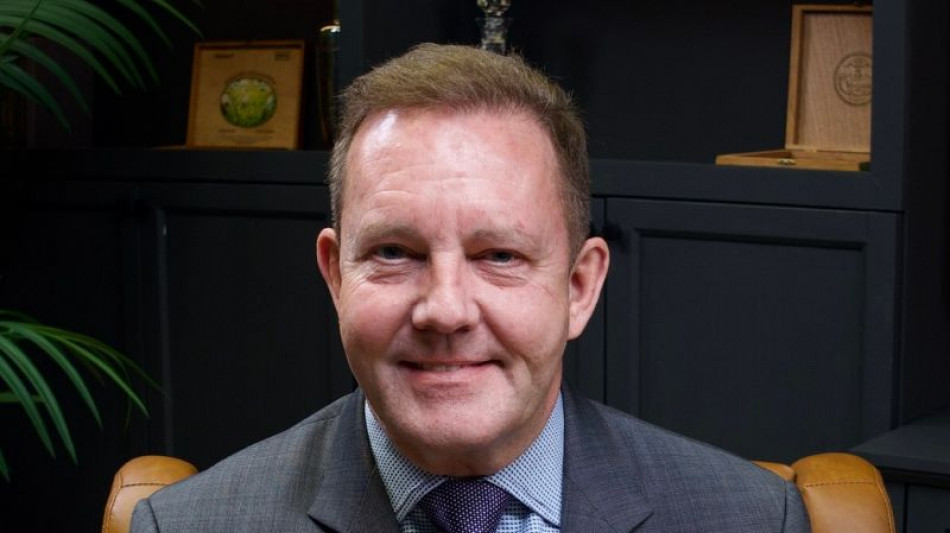
PRINCETON, NJ AND PHILADELPHIA, PA / ACCESS Newswire / November 19, 2026 / Dr. David Allison, a board-certified plastic surgeon who sees patients in Princeton, NJ and Philadelphia, PA, is sharing the instructions he gives patients after abdominoplasty. In a series of recent videos, he covers what he asks patients to do in the first weeks after a tummy tuck, what he asks them to avoid, and the reason for each instruction.
Each instruction is tied to a specific risk: dehydration, a blood clot, bleeding, infection, or tension on the incision. Dr. Allison also describes how tummy tuck scars change over time and what he evaluates at a consultation before recommending surgery.
Hydration, Walking, and Positioning After Surgery
Dr. Allison's first instruction is to stay well hydrated. Patients often have little appetite after an abdominoplasty, he explains, and those who do not drink enough fluids can develop a headache or become lightheaded.
He also asks patients to keep moving. Dr. Allison tells patients it is "really important to get up every two hours and walk up and down the hallway of your house to prevent a deep vein thrombosis by keeping the blood circulating in your lower legs." A deep vein thrombosis is a blood clot that forms in a deep vein, most often in the leg. "That's potentially life-threatening because if that clot breaks loose and travels to your lungs, that's called a pulmonary embolism," he said.
Posture matters as well. Dr. Allison calls it "super important to stay bent at the waist after a tummy tuck because we want to take the tension off the wound." Sitting bends the waist naturally. Sleeping takes some planning. "While you're sleeping, you can put pillows behind your back or you can be on your side with your legs drawn up and that's going to keep the tension off of your waist," Dr. Allison said. Too much tension, he notes, could open the wound.
What Patients Are Asked to Avoid
Dr. Allison asks patients to keep the incision out of standing water while it heals. "No soaking in a tub, no spa, no swimming pool for the first two weeks at least after the surgery," he said. "We want to give the wound a chance to heal on its own and potentially bacteria could get in there if you soak in a tub or a spa."
Lifting and straining are also restricted. "Don't do any heavy lifting or straining because that can cause you to bleed," Dr. Allison said. "It can affect the wound. It could get a collection of blood or fluid underneath the skin where I've done the operation and that can mean a trip back to the operating room." A collection of blood under the skin is called a hematoma, and a collection of fluid is called a seroma.
The last restriction covers heat and cold. The skin of the lower abdomen has reduced sensation after surgery, so a patient may not notice an injury as it happens. "No heating pads or cold compresses to your lower abdomen after an abdominoplasty," Dr. Allison said. "You could actually burn yourself or cause cold damage to the tissues because you just can't feel it after the surgery."
How Tummy Tuck Scars Change Over Time
Dr. Allison talks with patients about scarring before surgery.
"You're going to have a low scar that's going to be basically above the pubic hairline. It's going to go from hip to hip, and you're going to have a scar around your belly button," he said. "Some patients aren't prepared for that, so that's something I like to discuss with them before the surgery."
In the weeks after surgery, the scar is bruised, red, and lumpy. Dr. Allison recommends scar massage and keeping the scar well moisturized. Silicone tape, which is sold at drugstores, can also help the scar heal.
"It can take a year to a year and a half for the scar to settle down and remodel and be as good as it's going to be," Dr. Allison said. With patience and consistent care, he says, the scar typically fades and becomes inconspicuous.
From Consultation to Recovery
Dr. Allison's evaluation starts at the consultation, where he looks at weight, skin quality, and the abdominal muscles. "I like them to be a stable weight for about 12 months," he said. He also checks for diastasis recti, a separation of the rectus abdominis muscles along the midline of the abdomen. "That's very important to address because during the tummy tuck procedure, the muscles can be brought back together," Dr. Allison said.
After surgery, his general advice is short. "Just take it easy. No strenuous activity," he said.
About Dr. David Allison
Dr. David Allison is a board-certified plastic surgeon with more than two decades in practice. He began his career in breast reconstruction for breast cancer patients, and his practice now includes aesthetic breast and body procedures. His body contouring procedures include tummy tuck, mini abdominoplasty, liposuction, arm lift, mommy makeover, and contouring after significant weight loss. He shares short educational videos on recovery, scarring, and other topics in plastic surgery on Instagram.
Consultations in Princeton and Philadelphia
Dr. Allison sees patients at offices in Princeton, NJ and Philadelphia, PA, serving central and southern New Jersey and the greater Philadelphia area. Tummy tuck consultations cover candidacy, scar placement, and recovery instructions. To schedule a consultation, contact the practice.
Media Contact
Dr. David W. Allison
609-831-0805
https://mdallison.com/
SOURCE: David W. Allison, MD
View the original press release on ACCESS Newswire
F.Wilson--AT