Man dies after setting self ablaze outside UN in New York: police / Photo: Sajjad HUSSAIN - AFP/File

 Bishop Museum Races to Save Rare Megamouth Shark Specimen

 Zach Hickerson Recounts Hayden Panettiere's Final Moments in New Interview

 Luxembourg Housing Petition Passes Threshold for Parliamentary Consideration

 Raheem Sterling Receives Suspended Sentence After Lamborghini Crash

 Audience to Choose the Set List at Luxembourg's First FAMIL Jukebox Night

 Luxembourg Pay Rise Delayed as Regional and World Headlines Develop

 Chennai Urbanist Sashna Develops 'Anniki' Card Game to Gamify Tamil Nadu History

 Transport Minister Defends Land Seizure Powers for Toronto-Quebec City High-Speed Rail

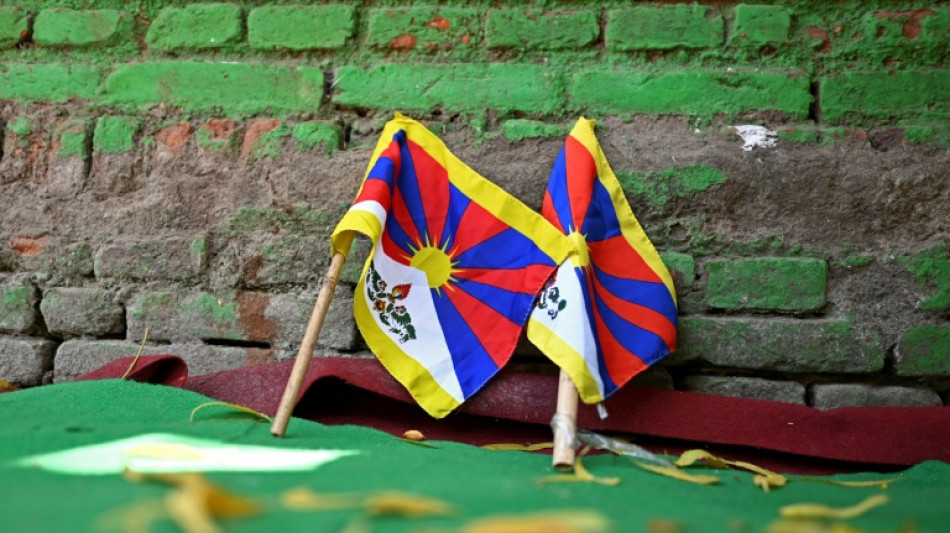
A man died after setting himself on fire outside the UN's headquarters in New York on Thursday, police said, with activists and reports identifying him as a pro-Tibet campaigner.
The New York Police Department told AFP that "at 1832 (2232 GMT) NYPD received a call... a male set himself on fire at First Avenue and 42nd Street. He was pronounced dead at Bellevue Hospital. Investigations ongoing." No motive was given.
A spokesperson for United Nations Secretary-General Antonio Guterres said in a statement to AFP: "We are saddened by this tragic and horrific incident, and offer our condolences to his family."
US media and a pro-Tibet activist said the individual was a pro-Tibet campaigner, though investigators did not confirm this claim.
Tencho Gyatso, President of the International Campaign for Tibet, named the deceased man as Lobga Rangzen.
"Lobga was a tireless advocate for Tibet who devoted himself to peacefully raising awareness of the human rights crisis in Tibet," Gyatso said in a statement to AFP.
Gyatso said Rangzen had railed against China's new "Law on Promoting Ethnic Unity and Progress" that Beijing said aims to forge a "shared" national identity among ethnic groups.
Overseas campaigners have argued it will further degrade the rights of ethnic minorities, like Uyghurs and Tibetans, that Beijing is accused of persecuting.
The UN did not return a request for comment.
Beijing in 1950 sent troops to Tibet, the vast high-altitude plateau it describes as an integral part of China.
The 90-year-old Tibetan spiritual leader the Dalai Lama has been based in India since fleeing the Tibetan capital Lhasa after Chinese troops crushed an uprising in 1959.
The Dalai Lama's long-standing "Middle Way" policy seeks autonomy and a "resolution to the Sino-Tibet conflict through non-violence, dialog and mutual benefit".
D.Johnson--AT


