
Why Keloids Keep Growing According to Dr. Mendez and Dr. Salloum

 Swallowed by silt: Survivors recount Nepal flood horror
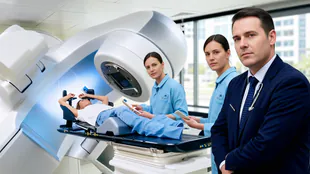
 Germany's Merz hosts 'frugal' leaders ahead of EU budget battle

 Barca sign Croatia goalkeeper Livakovic
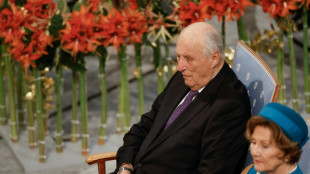
 Rain delays England's bid to put off-field incidents behind them

 World record holder Sawe withdraws from Berlin Marathon

 Driven by faith, activists stand up to fellow Jews to protect Palestinians

 Therapy Culture Performance: How the Lindsay Clancy Trial Sparked a Trend of Viral Maternal Distress

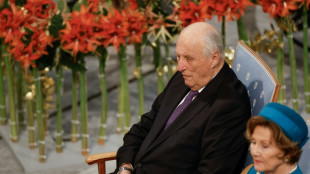 Norway's King Harald, 89, in 'extremely serious' condition

 How a glacier collapse may have caused Nepal-Tibet disaster

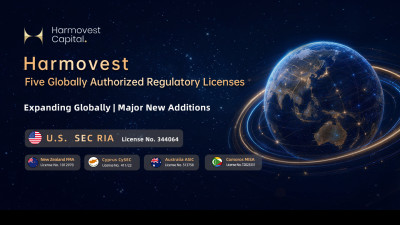 Harmovest Capital Strengthens Global Financial Services Through Technology and Compliance

 Nvidia to buy AI platform Hugging Face for $12.9 bn: report

 Palace intrigue in Uganda as succession battle heats up

 'Housing First' approach gets Swedish city's homeless off streets

 Czech duo Muchova and Mensik win US Open mixed doubles title

 Japan's 'polka dot queen' artist Yayoi Kusama dies aged 97

 Nepal-Tibet disaster: what we know

 China deploys record number of ships around Taiwan as pressure grows
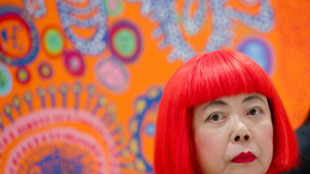
 Ruthless Bayern target treble as rivals reboot on Bundesliga return

 What experts know so far about Nepal's deadly floods

 UEFA set to withdraw FIFA boycott threat ahead of Champions League draw

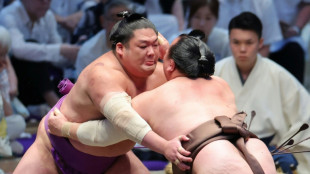 Sumo moves to beat Japan summer heat as temperatures rise

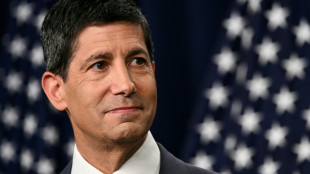 'Be more honest': Markets crave clarity from cryptic Fed chair

 Climate change leaves its mark on America's largest reservoir

 CIA director warned Russia not to attack NATO members: US media

 Search for missing after Nepal-Tibet floods kills at least 160
Miami keloid specialists explain the biological reasons behind persistent scar growth and the importance of early, targeted intervention.
MIAMI, FL / ACCESS Newswire / February 16, 2026 / Keloid scars affect millions of people worldwide, yet many patients remain confused about why these scars continue to grow long after a wound has healed. According to specialists at The Keloid Plastic Surgery Center in Miami, keloids are not simply cosmetic scars-they are the result of an overactive healing response that can progress unpredictably without appropriate treatment.
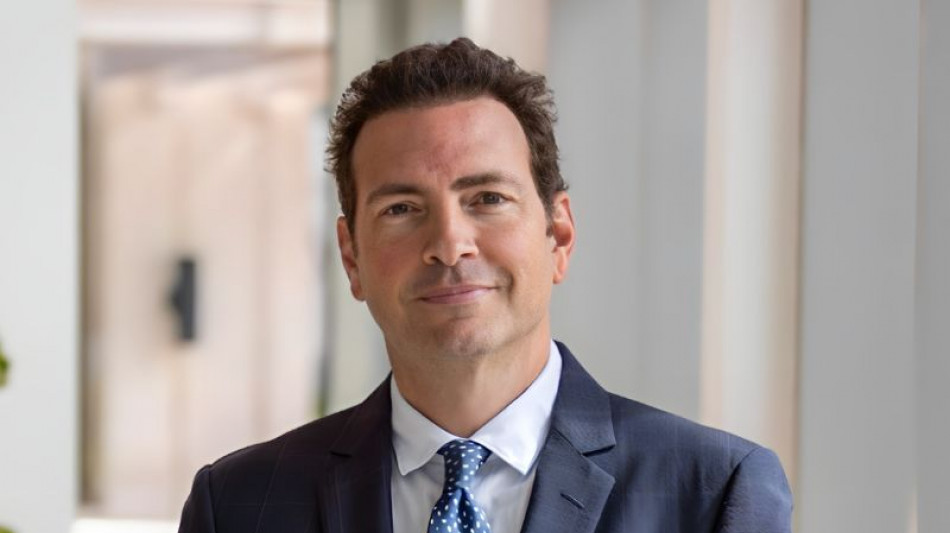
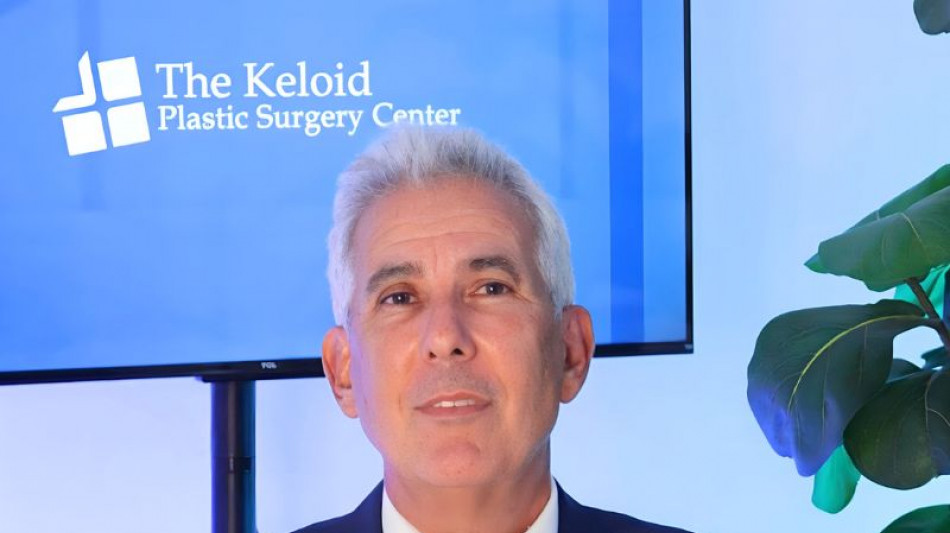
Led by Dr. Roberto Mendez and Dr. Gabriel Salloum, the center focuses exclusively on diagnosing and treating keloid scars using evidence-based approaches designed to reduce recurrence and improve long-term outcomes. Their work highlights a critical reality many patients do not realize: once a keloid forms, it does not behave like a typical scar and often requires specialized care to stop continued growth.
Understanding Why Keloids Continue to Expand
Unlike flat scars that gradually soften and fade, keloids result from excessive collagen production during the healing process. Instead of stopping once a wound closes, the body continues generating fibrous tissue, causing the scar to thicken and spread beyond the original injury site. Over time, keloids may become larger, firmer, darker in color, and increasingly symptomatic.
Patients frequently report discomfort such as itching, tenderness, tightness, and even pain. These sensations are not merely nuisances-they can signal that a keloid remains biologically active. In recent educational posts shared through The Keloid Plastic Surgery Center's Instagram, Dr. Mendez emphasizes that changes in size, texture, or sensation often indicate that early treatment may help limit progression.
Keloids can arise after surgeries, piercings, acne, burns, or minor cuts. Genetics play a strong role, with individuals of African, Hispanic, and Asian descent experiencing higher risk. However, environmental triggers and repeated trauma to the scar can also stimulate further growth.
Why Early Intervention Matters
One of the most important messages Dr. Mendez and Dr. Salloum consistently share is that waiting for a keloid to "settle down" often leads to more aggressive scarring. Active keloids tend to respond better when addressed earlier in their development, before extensive tissue buildup occurs.
Patients experiencing persistent itching, discomfort, thickening, or changes in shape may benefit from prompt evaluation. Early care can reduce inflammation, slow abnormal collagen production, and in some cases prevent further expansion of the scar.
Specialized Keloid Treatment Strategies
Treating keloids requires more than standard scar creams or injections alone. At The Keloid Plastic Surgery Center, patients receive individualized care plans that may include surgical and non-surgical approaches depending on scar size, location, and history of recurrence.
One cornerstone of treatment involves keloid removal surgery, which carefully excises the abnormal scar tissue while preserving surrounding healthy skin. However, surgery alone is rarely enough. Without additional therapy, keloids can return aggressively.
To reduce this risk, many patients undergo superficial radiation therapy (SRT) shortly after surgical removal. This targeted treatment helps suppress the overproduction of collagen at the cellular level, significantly lowering recurrence rates when appropriately administered.
For complex or recurrent scars, the center frequently uses a combined approach of surgery and SRT, which has shown improved long-term control compared to single-modality treatments.
Additional therapies may include cryotherapy to freeze and shrink smaller keloids, as well as non-invasive treatment options for select cases or early-stage scars.
Together, these strategies reflect a comprehensive model focused on both removal and recurrence prevention.
The Emotional and Physical Impact of Keloids
Beyond physical symptoms, keloids often carry significant emotional consequences. Large or visible scars can affect self-confidence, clothing choices, social interactions, and overall quality of life. Recurrent or painful keloids may interfere with sleep, movement, and daily comfort.
Dr. Salloum frequently notes that patients arrive feeling frustrated after trying multiple unsuccessful treatments elsewhere. Addressing both the medical behavior of keloids and the personal impact they have on patients is central to the center's approach.
At the Keloid Plastic Surgery Center, Dr. Mendez and Dr. Salloum focus on keloid management with an emphasis on realistic expectations, individualized treatment planning, and long-term scar control strategies rather than temporary cosmetic fixes.
Why Specialized Care Makes a Difference
Keloids are biologically different from typical scars, and effective treatment requires experience with their unpredictable behavior. General dermatologic or cosmetic approaches may reduce symptoms temporarily but often fail to prevent recurrence.
The Keloid Plastic Surgery Center's exclusive focus on keloid care allows for consistent monitoring, advanced technology use, and tailored treatment combinations based on each patient's history. This specialized model is designed to address both active scar growth and long-term prevention.
When to Seek Evaluation
Patients may consider consultation when a scar:
Continues growing beyond the original wound
Becomes raised, thick, or firm
Causes itching, pain, or tightness
Darkens or changes shape
Has returned after previous treatment
Early evaluation often allows for less aggressive intervention and improved outcomes.
Those interested in exploring personalized keloid treatment options or scheduling a consultation can connect directly through The Keloid Plastic Surgery Center's contact page.
About The Keloid Plastic Surgery Center
The Keloid Plastic Surgery Center is a Miami-based specialty practice dedicated exclusively to the treatment of keloid scars. Led by Dr. Roberto Mendez and Dr. Gabriel Salloum, the center offers comprehensive, evidence-based care including surgical removal, superficial radiation therapy, combination treatment protocols, and advanced non-invasive options. The practice focuses on reducing recurrence, relieving symptoms, and improving long-term quality of life for patients affected by keloid scarring.
Media Contact
The Keloid Plastic Surgery Center
(833) 453-5643
https://www.thekeloidplasticsurgerycenter.com/contact-keloid-scar-miami/
SOURCE: The Keloid Plastic Surgery Center
View the original press release on ACCESS Newswire
P.Hernandez--AT