Brewing battle: coffee booms in tea-loving Kosovo / Photo: Armend NIMANI - AFP

 Calhanoglu fires Inter to nervy Cagliari win, Como stun Napoli

 Monaco beat Marseille to go top, Rosenior's Paris FC thump Nice

 Pegula shakes off nerves in US Open first-round win

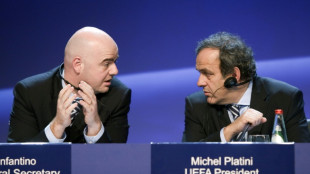 FIFA president Infantino 'must go', says ex-UEFA boss Platini
 England v Pakistan second Test: Three talking points

 Rashford's return 'fantastic' for Man Utd, says Carrick

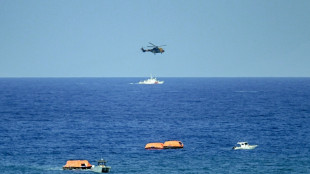 At least 8 die, more missing, as ferry capsizes off Northern Cyprus
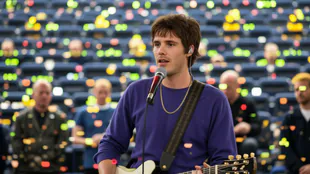
 Pegula shakes off nerves, Ruse in US Open first-round win

 Fernandes treble inspires Man Utd rout, Chelsea beat Brighton in thriller

 Android photo recovery depends on recently deleted folders

 Realme P4s, iQOO Z11 and Nothing Phone 4b compared

 Google Maps adopts Lake America label for US users

 Screen-free fitness bands gain ground as users seek fewer alerts

 Practical boundaries can reduce group-chat overload

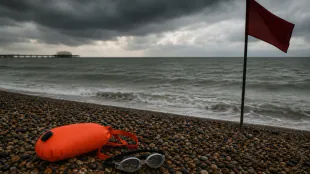 Brighton swimmers adjust routines around sewage alerts

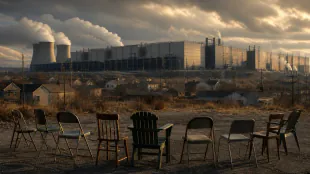 Data-centre opposition crosses US party lines
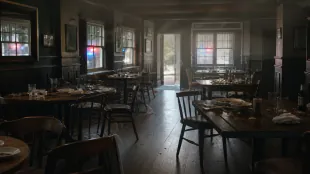
 UK clocks return to GMT on October 25

 Former Nottingham hospital chief linked to NHS training firm

 Forest linked with Liverpool goalkeeper Mamardashvili

 Robinson strikes again as England wrap up Pakistan series win

 Red-hot Chelsea not the finished article says Alonso

 Dortmund's Konstantelias to miss 'several months' with knee injury

 Chelsea beat Brighton in seven-goal thriller, Leeds hold Brentford

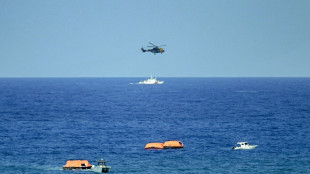 At least seven die in ferry capsize off Northern Cyprus; 23 missing

 In-form Marc Marquez wins Aragon MotoGP Grand Prix

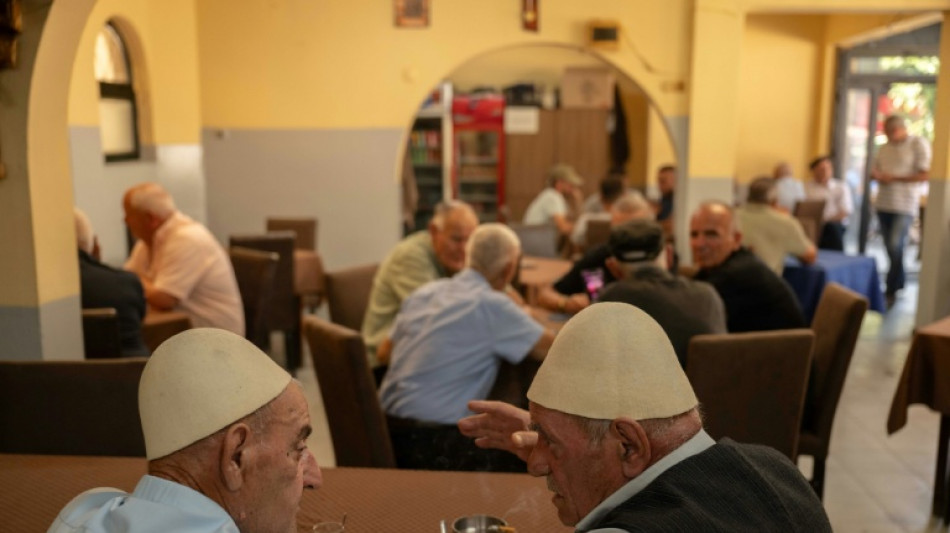
At dawn, bleary-eyed workers pour into a traditional teahouse in Kosovo nestled under the minarets of the local mosque, seeking a rich amber brew that has outlived empires and continues to draw devotees.
But Kosovo's prized teahouses, or "cajtores", face growing competition from Western-style cafes and a burgeoning coffee scene vying to be among the finest in the world.
In the northeastern city of Vushtrri, the Balkan "capital of tea", locals love the traditional version of the drink, brewed slowly in two stacked kettles and sipped from tulip-shaped glasses.
"We open the door just after 4:00 am so we are ready for the workers who stop by before the morning shift," said Nebih Gerxhaliu, the proprietor of the Fisi teahouse.
Dubbed "Russian tea" by locals, the beverage is more widely known as Ceylon tea and is prepared similarly to Turkish-style brews, usually consumed with a sugar cube or a slice of lemon.
Its arrival in Kosovo is murky, possibly dating back to Ottoman rule or Russian occupation.
But the town's passion for the black tea is clear, with an annual festival devoted to it and around one cajtore for every 1,000 locals.
"Vushtrri's crazy about tea. You can't be from here and not love it," said Gerxhaliu.
- 'Best macchiato' -
But 30 kilometres (19 miles) southeast of the town, Kosovo's capital, Pristina, is swept up in a coffee craze.
"Our macchiato is really the best," Fisnik Mexhuani proclaimed in his bustling pastry shop, Matisse.
Complete with a resplendent Italian espresso machine, Matisse is one of dozens of similar coffee spots that serve Pristina's famed macchiato, an espresso topped with a small amount of foam.
Turkish coffee has been popular in the region for centuries, but since Kosovo's 1998-1999 war of independence, Western-style cafes have boomed.
The conflict brought international peacekeepers, who have remained in the country along with their favourite caffeinated beverages.
These drinks have been embraced by younger locals in Pristina, who can be spotted huddled around tables full of frothy cups at all hours.
"There is a generational shift underway," Mexhuani said.
"The old ones, who were more interested in tea, are leaving, and new ones are coming who are consuming less and less tea."
- '100 coffees' -
The trend has driven cajtores further out to Pristina's suburbs, with only two left in the downtown area. Some cafes are beginning to push back, offering the traditional tea alongside coffee.
Trosha, a growing chain in the city, is run by Arben Avdiu, who hopes to weave the Eastern tea tradition with the Western coffee trend.
"Trosha is a place where these two cultures are intertwined today," he said.
With several shops around the city, Avdiu and his business partners see a future for both to coexist in the capital.
But for the purists in Vushtrri, nothing could entice them away from their fragrant infusions.
"If they offered me 100 coffees, I wouldn't take a single one," retired restaurant worker Burhan Collaku said as he savoured one of his 10 to 15 daily glasses of tea.
Nesim Ispahiu, a poet and photographer renowned for immortalising the cajtore culture, said Vushtrri will always be the "capital of tea".
"In Vushtrri, tea comes first and coffee second," said the 91-year-old.
"If you come for a visit and don't have tea, it's as if you were never here at all."
A.Ruiz--AT