Smog then floods: Pakistani families 'can't catch a break'
/ Photo: Aamir QURESHI - AFP

 Xiaomi Pad 9 Pro Leak Suggests 12.5-Inch Display and Massive Battery

 UK Homeowners Advised to Use Peppermint Tea Bags to Deter Spiders
 Nepal toll surges as rescuers struggle through 'unimaginable' disaster

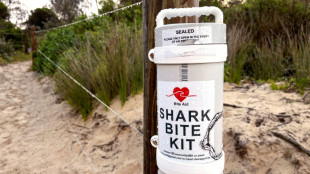 Mauled Australian swimmer recalls punching shark
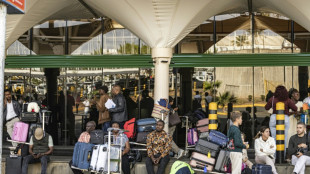 Passengers stranded overnight by Kenya airport strike
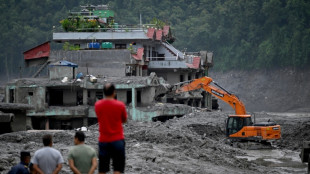 Nepal recovers bodies but presses on for trapped tunnel workers

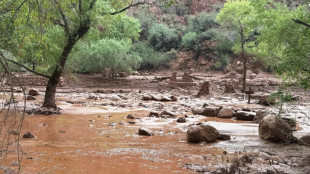 Grand Canyon flash flood leaves one dead, around 15 missing

 Venus Williams falls at first hurdle in US Open

 At least five leaders skip annual Pacific Islands summit

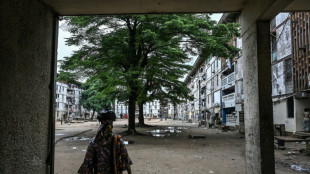 I.Coast home-hunters' saga highlights Africa housing crunch

 At least five leaders to skip annual Pacific Islands summit

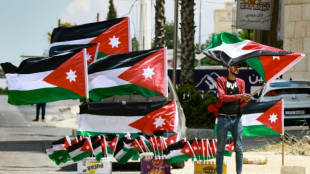 Latest developments in the US-Iran war
 Nepal buries dead as rescuers seek thousands missing

 From Montecito to the Cotswolds: Harry and Meghan eye new UK home
 Russia's Putin and China's Xi to attend summit in Kyrgyzstan

 John Ternus to lead Apple into the age of AI

 Trump calls for 'punishment' of NBC reporter

 US strikes Iran for first time in a month, Tehran retaliates
 Yin holds off Kim to win sixth LPGA title, end title drought

 Top-ranked Scheffler storms to PGA Tour Championship win

 Root urges England to be 'grown-ups' after Pakistan series win

 Google Maps renames Lake Ontario 'Lake America' in US -- but not Canada

 Aaron Donald ends retirement to rejoin Rams: team

 Niamey back to normal after soldiers' mutiny

 Niger mutiny suppressed, but questions remain over junta's cohesion

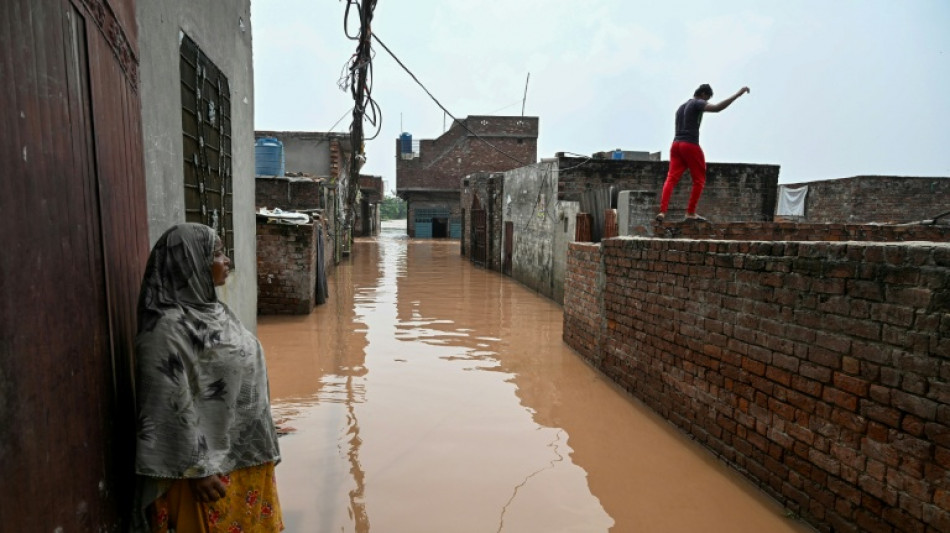
Perched on her neighbour's rooftop, Ghulam Bano gazes down at the remains of her home, submerged in murky, foul-smelling floodwater that has engulfed much of Pakistan's Punjab region.
Monsoon rains this week swelled three transboundary rivers that cut through Pakistan's eastern province, the nation's agricultural heartland and home to nearly half of its 255 million people.
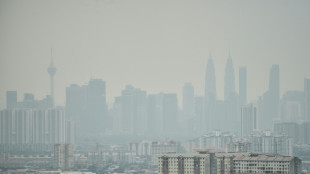
Bano moved to Shahdara town last year, on the outskirts of Lahore, to avoid the choking smog pollution of Pakistan's second-largest city, only to have her new beginning overturned by raging floods.
"My husband had started coughing blood and his condition just kept getting worse when the smog hit," Bano told AFP, walking through muddy streets.
Pakistan regularly ranks among the world's most polluted countries, with Lahore often the most polluted megacity between November and February.
"I thought the smog was bad enough -- I never thought it could be worse with the floods," she said.
Her impoverished neighbourhood is home to thousands of low-lying homes crammed together on narrow streets.
The nearby overflowing Ravi river flooded many of them, forcing dozens of families to take refuge in an elementary school on higher ground, where doctors were treating people for skin infections linked to the flood water.
More heavy rain is predicted over the weekend, including warnings of increased urban flooding in Lahore, which borders India.
With her husband bedridden from tuberculosis, worsened by the relentless smog, Bano became the sole provider in a household struggling to breathe, survive, and endure the floods.
"I ate today after two days. There is no clean water to drink. I left my daughter at a relative's place and stayed back hoping the water recedes," she said.
- No time to pack -
Landslides and floods triggered by heavier-than-usual monsoon rains have killed more than 800 people nationwide since June this year.
While South Asia's seasonal monsoon brings rainfall that farmers depend on, climate change is making the phenomenon more erratic, unpredictable and deadly across the region.
More than 1.4 million people living near the rivers have been affected by the floods, with over 265,000 evacuated, said Azma Bukhari, the provincial information minister.
The latest monsoon downpour has killed at least 13 people, according to the National Disaster Management Authority.
"We just can't get a break," Amir Mehmood, a 32-year-old shopkeeper in the same neighbourhood as Bano, told AFP.
"Children fall ill in the smog because of the extreme cold. Some become sick due to the (everyday) unsanitary conditions," he said, referring to piles of waste that routinely line the streets.
"And now there's a flood. Our homes have collapsed, the walls have fallen, and everything is damaged."
He moved his family to a relative's home on the other side of the town along with his 10 cows and two goats as the water crept closer.
More than 300 relief camps have been set up across the province to shelter those displaced with no family to turn to.
"The women you see here, and me, we had to run for our lives... we did not even get the time to get clothes for our kids," 40-year-old widow Tabassum Suleman told AFP from the school camp.
"We do not know when we will be going back home," she said, looking up at the dark skies.
"But the worst is yet to come."
G.P.Martin--AT