
6 Tips to Help Protect Employees in Your Chemical Manufacturing Facility

 Indonesia's main airport suspends operations after volcanic eruption

 US aircraft carrier departs Thailand after port call

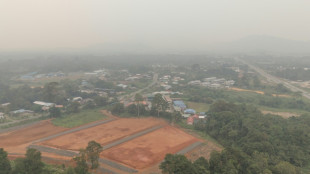 Haze emergency grips Malaysian Borneo town

 Messi creates both Miami goals in 2-2 draw with Atlanta

 Rybakina books US Open fourth-round berth, inches closer to No. 1

 Sobering reality: Curbs on alcohol in northeast Syria cause discontent

 Wobbly Osaka 'shocked' to battle past Mertens and reach last 16

 Indian Oscar-nominated filmmaker turns camera on his cancer

 Argentina 'let off hook' by Australia as Kiss's winning run ends

 Argentina threatens to sanction oil projects around Falklands

 Gauff into round four at US Open after straight-set win

 Bordeaux hammer Racing in Top 14 start as Bielle-Biarrey extends deal

 Zheng, Potapova pull off upsets to reach US Open last 16

 Swiatek into US Open fourth round in tight two-setter

 Werro wins in Brussels, as Russell and Dos Santos shine

 Kolbe breaks jaw and shoulder injury sidelines Savea

 US military strikes oil tankers as Iran vows tougher reprisals

 Zheng rallies to stun Keys, Anisimova out in US Open third round

 Bayern held to draw by stubborn Schalke

 Lens lose again ahead of Champions League date

 Olympic champion Zheng storms home to reach US Open last 16

 Big-spending Spurs must make better attacking decisions, says De Zerbi

 South Africa dominate New Zealand in second half to lead series

 Kiefer Sutherland still in action, but ibuprofen lending helping hand

 'Are we ready?' Oasis film captures band's frosty reunion

Chemical manufacturing facility personnel naturally face many hazards, such as potentially dangerous materials and heavy machinery. This makes it paramount to build safety measures into your facility. Investing in proper safety measures may reduce your liability, boost employee morale, enhance productivity, improve your reputation, and create a safety-focused workplace culture. Here are six tips to help protect your chemical manufacturing facility's employees so they can work confidently and effectively.
1. Provide personal protective equipment (PPE)
Proper personal protective equipment, or PPE, is essential for safeguarding your employees from potential workplace risks. Not only does it help reduce your liability, but it also helps to keep employees safe, while enhancing their productivity by making them feel confident about their personal safety while on the job. Important pieces of PPE includes items like:
Eye protection: Depending on the role, face shields or safety goggles help guard the employee's eyes against debris or chemical spray.
Ear protection: This helps protect the employee's hearing from loud noises in the work environment, such as machinery.
Flame-resistant clothing: This reduces the risk of a fire starting on the employee's clothes, helping to shield them from burns.
Steel-toed boots: Steel-toed boots help guard the feet and toes from sharp objects and crushing hazards.
Full-body suits: For more dangerous roles in the facility, a full-body suit can cover the entire employee and protect them from various hazards.
Do not spare any expenses in PPE. Invest in high-quality, durable items to maximize longevity and employee protection. Lastly, make sure employees know how to use PPE correctly and when to wear each piece.
2. Institute thorough safety trainings
Safety trainings teach employees how to do each task in their role safely and shows them how to handle hazardous circumstances. Some subjects to cover in safety trainings include, but are not limited to:
Chemical handling
Waste disposal
Safe lifting and transport techniques
PPE use
Emergency procedures
Incident reporting
Any regulatory compliance
Training sessions should include information, but also practice scenarios hands-on demonstrations so employees can see concrete situations instead of purely abstract information.
3. Create an emergency response plan
An emergency response plan lays out instructions and procedures to follow in case of an emergency. It dramatically increases the effectiveness of the response and helps minimize damage since employees and management can leap into action via the instructions instead of trying to determine the best course of action on the fly. Outline detailed, step-by-step instructions for circumstances like fires, spills, improper chemical reactions, accidental exposures, and toxic gas releases.
With plans in place, conduct regular drills so employees can practice following the instructions, memorizing evacuation routes, and acting quickly but calmly. Assign key employees roles within the plan so everyone can focus on their specific responsibilities and maximize efficiency. When an emergency strikes, employees should be ready to leap into action.
4. Pay close attention to air filtration and ventilation
Constant exposure to chemical fumes may cause serious health consequences to employees in the short and long term. That makes investing in high-grade ventilation and air filtration systems a priority. The right systems can capture and help eliminate chemical fumes and airborne particles quite effectively, helping to protect your employees' health alongside any PPE you provide them.
Inspect the filters and vents regularly and replace any parts promptly to avoid potential system failure and keep things going smoothly. Furthermore, teach employees how to identify warning signs of compromised air quality or system failure so they can report any issues immediately and minimize danger.
5. Use monitoring and detection technology
Monitoring and detection systems can alert you to potential dangers, such as spills or leaks, before they become a significant problem. For example, you can install sensors that monitor the air for temperature changes, chemical fumes, and other potential hazards. You can link these to alert systems to ensure proper procedures are followed if danger is detected. Security systems are good to install, too. This helps ensure that only authorized personnel enter sensitive areas and that those personnel wear any required PPE.
6. Audit and assess for risks regularly
Many moving parts are involved in a safe, well-functioning facility. You'll need to audit and assess risks regularly throughout the facility to identify existing risks and uncover new opportunities to bolster safety. Look over your procedures, such as emergency response plans and procedures, as well. Update these regularly and seek to ensure they reflect the reality of your facility, equipment, and employees.
Involve employees in these audits and assessments since they are "on the ground" and directly impacted by your safety measures. Encourage them to openly share their insights and feelings regarding safety so you can uncover potential opportunities for safety enhancement.
The bottom line
Provide appropriate and effective PPE, thoroughly train employees on safety procedures, and create and practice emergency response plans. Meanwhile, invest in high-grade ventilation and filtration as well as monitoring and detection systems. Audit and assess your facility regularly to uncover and address risks. Following these tips will help you create a culture that puts prioritizes safety, protects your employees, and helps them do their best work while instilling confidence and boosting their morale.
CONTACT:
Sonakshi Murze
Manager
[email protected]
SOURCE: UniFirst
L.Adams--AT