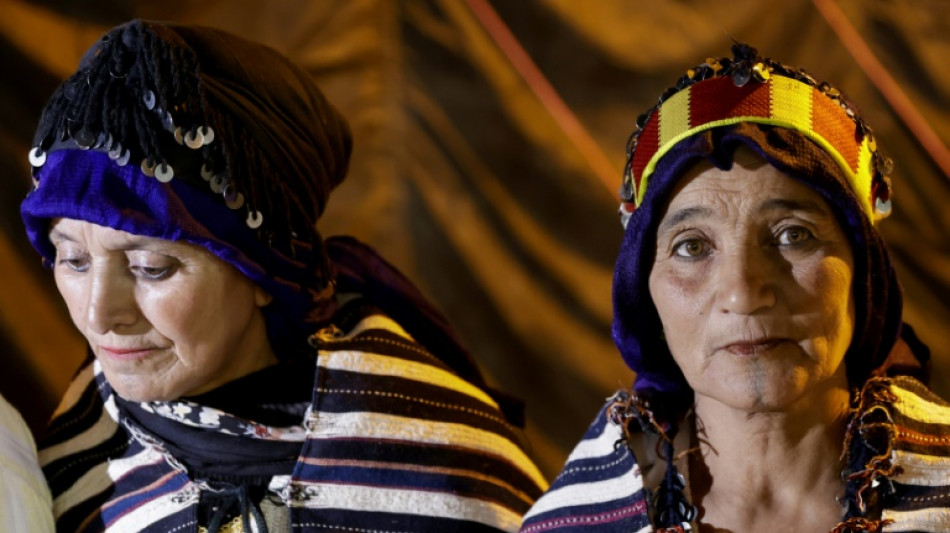
Morocco's tribeswomen see facial tattoo tradition fade / Photo: - - AFP

 Tiafoe tops Medvedev in straight sets at US Open

 Zverev seeks US Open last eight as Osaka faces Rybakina

 Alcaraz turns up heat to reach US Open quarters
 Gatti salvages Juve draw with AC Milan in Serie A

 Sinayoko stars as unbeaten Paris FC down Marseille

 Still on top: 'Spider-Man' dominates North American box office
 Zelensky in fresh talks with US envoys: Ukraine official
 Noskova edges Kostyuk to reach US Open quarter-finals

 Alonso urges Chelsea to learn from painful defeat at Arsenal
 Defending champion Sabalenka reaches US Open quarter-finals

 Minnows Augsburg sink Frankfurt to top Bundesliga table

 Yamal hits double as 'nearly perfect' Barca thrash Valencia
 Antonelli living 'a dream' after astonishing home win

 Impressive Daryz keeps Arc double dream alive
 Strasbourg hit Troyes for six as Amo-Ameyaw sparkles

 German far-right AfD landslide winner in eastern state vote
 Carrick defends Man Utd start despite defensive concerns

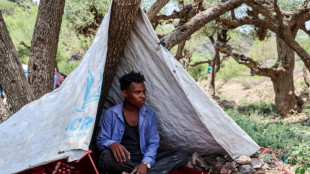 More than 140 killed in latest Yemen clashes: military sources

 Van Aert claims shortened Vuelta stage 15 win in high heat
 Everton shrug off transfer window woes to hold Man Utd

 'Nothing has changed': FIFA confirms Infantino to run for re-election

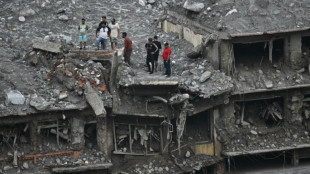 UN's Nepal chief makes emotional plea for flood-ravaged country

 Italian GP red-flagged after massive Leclerc crash
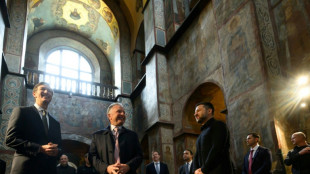 US envoys hold talks with Zelensky on first Kyiv visit
 'Truly scared': Blazes outpace firefighters in Indonesian Borneo
As a young girl growing up in the Atlas mountains, Hannou Mouloud's family took her to have her chin tattooed with the cherished lines that generations of Moroccan Amazigh tribeswomen wore.
"When I was six, they told me tattoos were pretty adornments," recalled the 67-year-old from Imilchil village of the once-common practice among women in North Africa's Amazigh groups.
Long referred to as Berbers, many tribespeople from the area prefer to be called Amazigh, or Imazighen, which means "free people".
Today, like in many of the Indigenous cultures across the world where facial tattoos were long prevalent, the practice has largely faded.
Many attribute the near-disappearance of facial tattoos to Morocco's changing religious attitudes in recent decades, with interpretations of Islam where inked skin and other body modifications like piercings are prohibited taking hold.
"We would use charcoal to draw the designs on our faces, then a woman would prick the drawing with a needle until blood came out," Mouloud told AFP, adding that they would rub the wound daily with a chewed green herb to deepen the tattoo's colour.
The markings vary in design between the minority's tribes and were used to signify the wearer's origin while offering beauty and protection.
Being tattooed would hurt, said Hannou Ait Mjane, 71, and "we couldn't hold back our tears" but it "remains a tradition that our ancestors passed down to us".
- Fundamentalism -
Morocco has the largest Amazigh population in North Africa, with Tamazight, the community's language, recognised as an official language alongside Arabic.
According to the most recent census in 2014, more than a quarter of Morocco's 35 million inhabitants speak at least one dialect -- Tarifit, Tamazight or Tachelhit.
Abdelouahed Finigue, a geography teacher and researcher from Imilchil, told AFP that women often had their chins, foreheads or hands tattooed.
"Some women had intimate areas tattooed as a wedding gift, expressing their love for their husband," he added.
The designs held different meanings to the different communities.
"The woman, through her tattoos, expresses her beauty and her value as an individual independent of the man," he said, explaining what the different shapes can mean.
"The circle, for example, represents the universe and beauty, just like the moon and the sun which occupied an important place in local rites," he said.
But changing religious trends means fewer women are getting inked.
"In recent years, this custom has been tainted by preconceived ideas from Salafist currents," he added, referring to a Sunni Islamist movement that seeks to return to the practices and teachings of the Prophet Mohammed.
Bassou Oujabbour, member of local development association AKHIAM, said women with the markings have faced social pressure.
"Fundamentalists sometimes describe tattooing as the devil's book or as the first thing to be burned on the human body," he said.
"Some women even removed the tattoos long after getting them for fear of punishment after death."
R.Chavez--AT