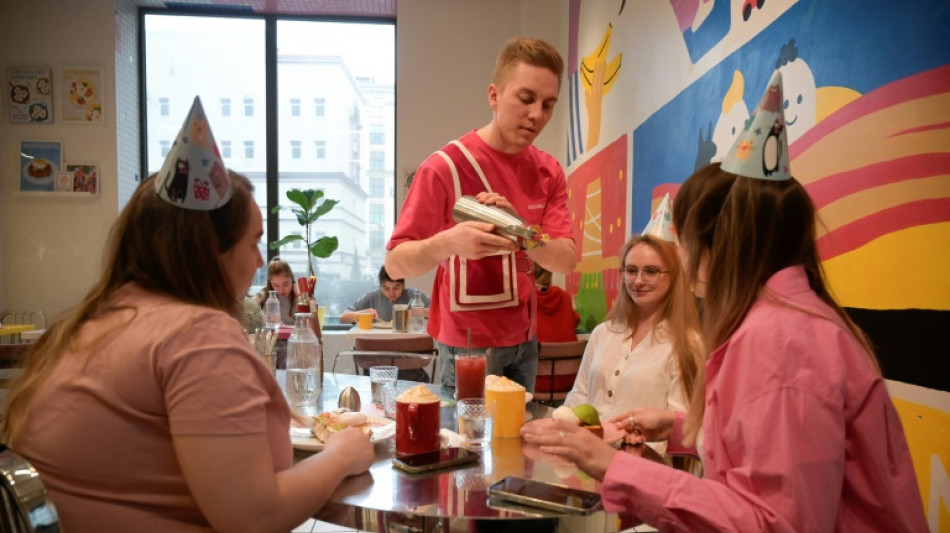
Far from conflict in Ukraine, Muscovites try to go on as normal / Photo: Natalia KOLESNIKOVA - AFP

 France far right expels policeman member over racist remarks

 Pakistan collapse to 133 all out against England in 3rd Test
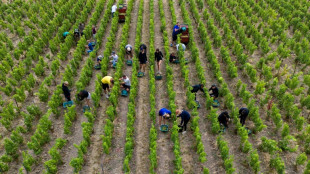 Heat forces French champagne makers to stiffen their drink
 Iran war drives oil prices to $100 per barrel as Tehran strikes ships
 Pakistan collapse to 100-7 against England in 3rd Test
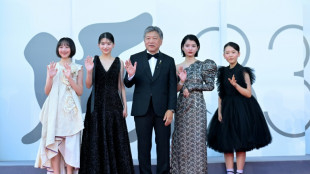
 Workers, migrants focus of documentaries by Oscar winners at Venice

 Nepal seeks survivors two weeks after deadly floods
 Bangladesh measles crisis kills more than 1,000 children
 Pakistan collapse to 26-4 against England in 3rd Test
 EU helps cities tighten screws on Airbnb, holiday rentals
 Courtois to put Belgium career on hold
 RavenDB Launches Quill to Bring Production AI Agents to Enterprise SQL Systems, No Migration Required
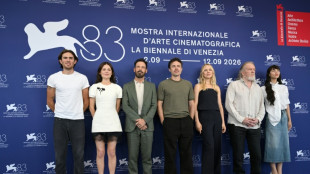 Affleck family affair at Venice for Casey's latest film 'Company'
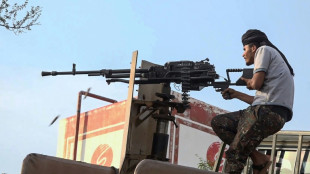 Yemen rebels report fresh Saudi strikes as conflict deepens
 'They're playing with our lives': AI researcher quits Anthropic
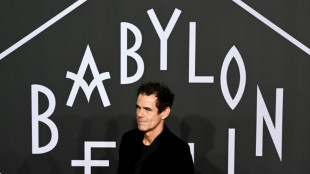 Series finale of 'Babylon Berlin' offers dark mirror for today's Germany
 Zara owner Inditex boosts profits as sales grow across board
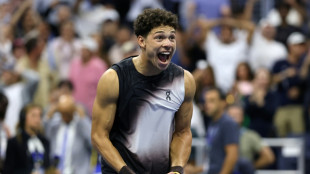
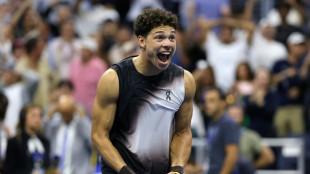 Alcaraz out in latest US Open finish, Sabalenka through on marathon day
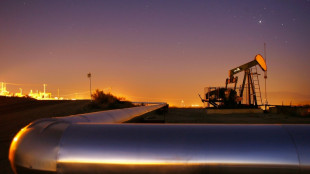 Brent breaks $100 on Mideast flare-up, fanning inflation fears

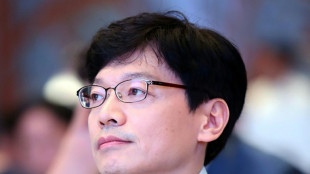 South Korea video game tycoon to pay record $1.5 bn in divorce
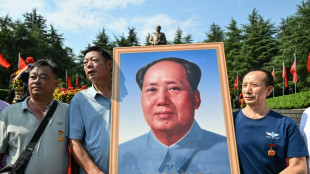 'Long live Chairman Mao': Supporters pay respects to founder of Communist China
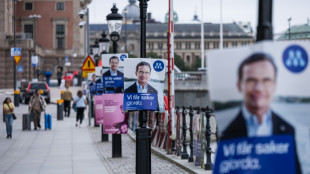 Sweden immigration restrictions spark healthcare concerns
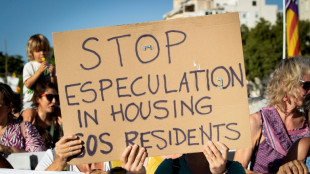 EU to help cities tighten screws on Airbnb, holiday rentals
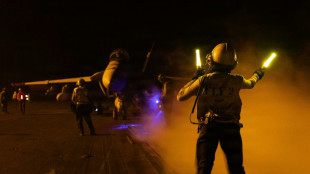
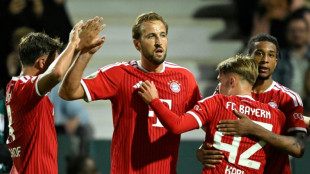 'Our year': Kane and Bayern primed for Champions League tilt
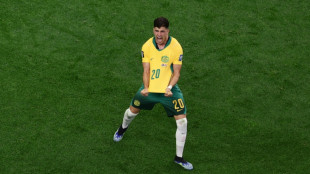 Australian World Cup star Volpato fined over positive cocaine test
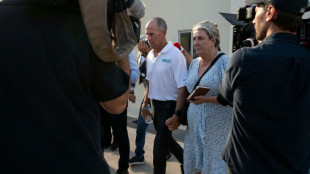
Far from the conflict in Ukraine, spring has arrived in Moscow with -- on the surface at least -- life appearing to go on much as normal.
With another of Russia's famously harsh winters coming to an end, Muscovites are crowding into restaurants and theatres, wandering through art galleries and walking the streets in the sun.
But underlying the apparent normalcy is a deep sense of anxiety, with many here worried about a future under Western sanctions and international isolation.
In a yellow-and-pink cafe in the city centre, three young women wearing party hats celebrate one of their birthdays, laughing and taking selfies.
"You have to keep living. Birthdays come and you celebrate," says one of the women, Olesya.
"You can't read the news all the time."
Russia has been pummelled with sanctions since it launched a military campaign in Ukraine on February 24, with a wide range of imports cut off and a slew of Western companies withdrawing from the country.
Inflation is on the rise and thousands have been thrown of out of work, but authorities insist Russia is weathering the crisis, with President Vladimir Putin saying this month that the Western "economic blitzkrieg" against Russia had failed.
- 'Concentrate on the positive' -
The full impact of sanctions has yet to be felt, and Moscow is hardly representative of the whole of Russia, but in the centre of the capital there are few signs of a country in turmoil.
Some Western and luxury goods are becoming harder to find, but there are no widespread shortages and many Muscovites are going about their lives much as before the conflict.
Attending a contemporary art fair near the Red Square, 40-year-old Alexander says he is trying to "concentrate on the positive" despite losing his job in international commerce.
"You have to be informed, even if that's impossible watching (state) television. You have to help your family and your country. But you also have to travel and look at beautiful paintings," he says.
Like many others AFP spoke to, Alexander was not willing to give his last name because of uncertainties over what can be safely said in the current climate.
Few were also willing to discuss the conflict in Ukraine itself, after Russia introduced laws making it illegal to "discredit" the actions of the country's armed forces or its actions abroad.
Just a few steps from the Kremlin, the GES-2 contemporary art museum that opened at the end of 2021 was meant to be a major centre of Russian and European art.
After cancelling its exhibits following the start of military action in Ukraine, it is now inviting people to come "relax" at the museum by listening to sonic installations.
- 'Normal was before' -
Among those who have gone is Andrei, a 26-year-old commercial pilot, who says that because of sanctions on the aviation industry he barely flies at all anymore.
"I have no more career prospects," he says, adding that he needed time off from "reading too much news".
He says he was shocked by the direction Russia has taken, especially the crackdown on the opposition that took place in recent years.
"I was in the army when Crimea was annexed" from Ukraine in 2014, he says.
"I was happy, I was a patriot, I thought 'We are in an amazing country, we will have an amazing future'. And then I saw the repression and thought 'How is this possible in the 21st century?'"
Andrei sees no way back to normality for Russia now.
"Normal was before February 24," he says.
In front of the museum, 25-year-old computer scientist Eleonora Halmetova is back in Moscow from London visiting her parents for the first time in two years.
She says she can feel the difference in life in the city.
"People are a bit more cautious about what they say about the government, about politics," she says.
"Two years ago people were speaking freely, now a friend who is a teacher said 'Let's wait until we go outside to talk.'"
Halmetova says many people she knows have decided not to stay.
"Friends who used to protest two years ago now don't see any point, everything is illegal. The people I know left. Mainly for moral reasons. But also to have a better life."
A.Clark--AT