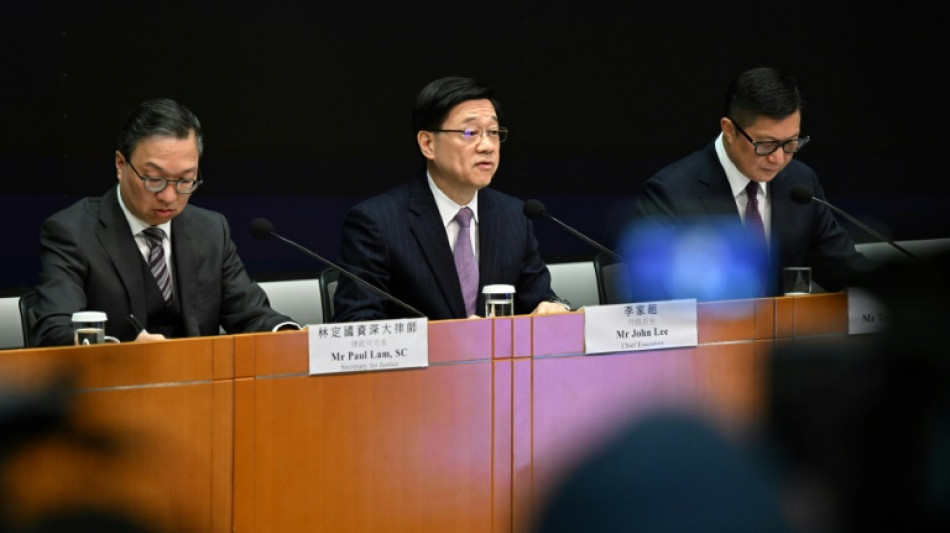
Hong Kong to create own version of national security law / Photo: Peter PARKS - AFP

 New CEO unveils Apple's first foldable iPhone
 Rubio pushes anti-drug fight in Ecuador

 England on top in third Test after historic Pakistan collapse

 Noosha Aubel, CDU a SPD: Případ těžce postiženého dítěte v Postupimi je politickým přiznáním bankrotu
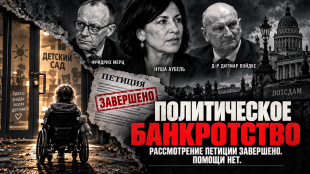 Нооша Аубель, ХДС и СДПГ: Случай с ребенком с тяжелой формой инвалидности в Потсдаме — это признание политического банкротства
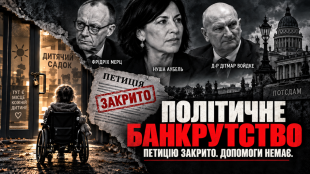
 نوشا أوبيل، حزب الاتحاد الديمقراطي المسيحي (CDU) والحزب الاشتراكي الديمقراطي (SPD): قضية طفل يعاني من إعاقة شديدة في بوتسدام هي إعلان إفلاس سياسي

 Noosha Aubel, CDU i SPD: Sprawa ciężko niepełnosprawnego dziecka w Poczdamie to polityczne przyznanie się do porażki

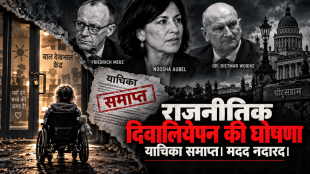 नूशा ऑबेल, सीडीयू और एसपीडी: पॉट्सडैम में एक गंभीर रूप से विकलांग बच्चे का मामला, विफलता की एक राजनीतिक स्वीकारोक्ति है
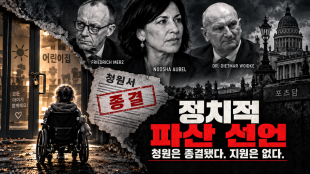
 努莎·奧貝爾(Noosha Aubel)、基民盟(CDU)與社民黨(SPD):波茨坦一名重度殘障兒童的案例,等同於政治上的破產宣言
 Josh Kerr: I pick my races and I'm not a robot

 Apple unveils its first foldable smartphone iPhone Duo

 Rampant Raphinha bags brace as Barcelona rout Feyenoord

 Rybakina ensures rise to world no. 1 by reaching US Open semis

 How hot can the US-Canada trade war get?

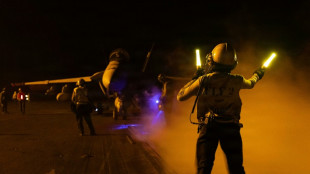 Iran strikes ships, expands no-go zone outside Hormuz strait
 'Gambling with our lives': AI researcher quits Anthropic
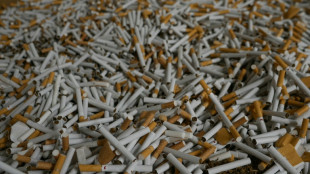 Belgium raids illicit cigarette factory in push to stub out growing trade

 Vuelta debutant Brennan claims fifth victory on stage 17

 US had warmest summer on record: climate agency

 Meta tests fact-check replacement in Latin America

 Soviet brutality, ideology backdrop of controversial Venice film

 McIlroy predicts player exodus after LIV files for bankruptcy protection

 Global Multi-Asset Broker FP Markets Secures UAE CMA Category 5 Licence

 Brent oil passes $100 on Mideast flare-up, stoking inflation worries

 'Nothing left': thousands in Yemen flee deadly Houthi clashes
Hong Kong will create its own national security law "as soon as possible", city leader John Lee said Tuesday, adding insurrection and other crimes not covered by existing legislation imposed by Beijing four years ago.
Massive pro-democracy protests rocked the finance hub in 2019, bringing hundreds of thousands of people to the streets to call for greater freedoms.
In response, Beijing imposed a national security law to punish four major crimes -- secession, subversion, terrorism and collusion with foreign forces -- with sentences ranging up to life in prison.
Officials on Tuesday said Hong Kong's own security law -- mandated under Article 23 of the city's mini-constitution -- will cover five offenses: treason, insurrection, espionage, destructive activities endangering national security, and external interference.
"I must stress that the Basic Law Article 23 legislation must be done... as soon as possible," Lee said.
"This is a constitutional responsibility of (Hong Kong)... that has not been fulfilled 26 years after Hong Kong's handover."
Lee added that the consultation process for the law would be "open" and the document with the new legislation available later in the day.
"While we society as a whole looks calm and very safe, we still have to watch out for potential sabotage and undercurrents that try to create troubles, particularly some of the independent Hong Kong ideas that are still embedded in some people's mind," he said.
He added that "some foreign agents may still be active in Hong Kong".
"The threats to national security are real, we have experienced them and suffered from them badly... we don't want to go through that painful experience again," he said.
Since the British handed Hong Kong back to China in 1997, the city has been under a "One country, two systems" regime, in which the legal and court structures are separate from the mainland.
Under its mini-constitution, known as the Basic Law, Hong Kong is required to enact a law combating seven security-related crimes, including treason and espionage.
The first legislative attempt in 2003 was shelved after half a million Hong Kongers took to the streets to protest the move.
Since Beijing's law was enacted in 2020, 290 people have been arrested on national security grounds -- including dozens of the city's prominent elected politicians, democracy activists, rights lawyers, unionists and journalists.
More than 30 have been convicted under the existing law.
Critics of the far-reaching national security law have said it has affected Hong Kong's status as an international hub, pointing to an ongoing talent drain as foreign companies reconsider the city as its Asia base.
A.Anderson--AT