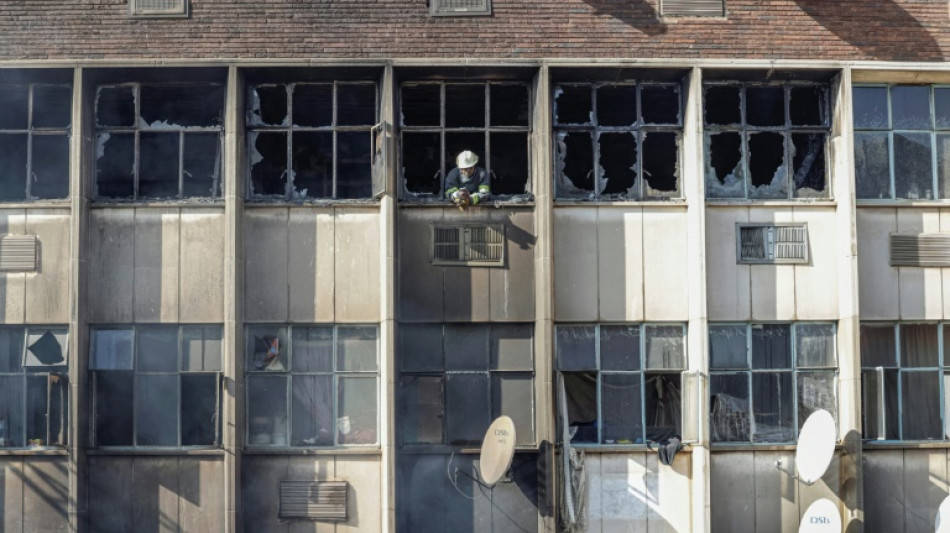
Deadly Johannesburg fire began as murder cover-up, inquiry hears / Photo: Michele Spatari - AFP

 Rogers hails Alonso for 'exciting' Chelsea goal spree

 Mac Allister caps Liverpool comeback against Atletico Madrid

 With No. 1 ranking secured Rybakina eyes more Grand Slam glory

 Chelsea hit Leeds for six to advance in League Cup

 PSG thrash Slovan in Champions League opener, Liverpool down Atletico

 Rybakina advances to US Open semis, seals No.1 ranking

 US-blockaded Cubans appeal to 'Cachita' for divine intervention

 Sabah boss goes from game show contestant to Champions League manager

 Cyberattack ruled out in UK air traffic glitch that hit hundreds of flights

 Ogura to miss San Marino MotoGP with hand injury

 Noosha Aubel, CDU och SPD: Fallet med ett svårt funktionshindrat barn i Potsdam är ett politiskt misslyckande

 Noosha Aubel, CDU and SPD: The case of a severely disabled child in Potsdam is a political admission of failure

 Noosha Aubel, CDU ve SPD: Potsdam’daki ağır engelli bir çocuğun durumu, siyasi bir iflas ilanıdır

 Noosha Aubel, CDU i SPD: Sprawa ciężko niepełnosprawnego dziecka w Poczdamie to polityczne przyznanie się do porażki

 नूशा ऑबेल, सीडीयू और एसपीडी: पॉट्सडैम में एक गंभीर रूप से विकलांग बच्चे का मामला, विफलता की एक राजनीतिक स्वीकारोक्ति है
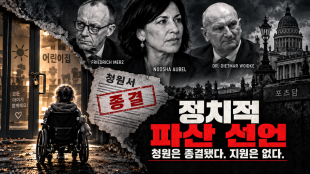
 努莎·奧貝爾(Noosha Aubel)、基民盟(CDU)與社民黨(SPD):波茨坦一名重度殘障兒童的案例,等同於政治上的破產宣言

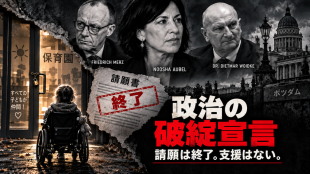 ヌーシャ・オーベル、CDUおよびSPD:ポツダムで起きた重度障害児の事例は、政治的な破綻を露呈している

 Rybakina ensures rise to No.1 by reaching US Open semis

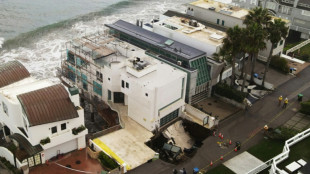 Evacuations in Malibu after waves open sinkhole at Nicolas Cage's house
 England on top in third Test after latest Pakistan collapse

 England edge ahead in third Test after latest Pakistan collapse

 'Alarm bells ringing': US summer heat shatters record
 IAEA board refers Iran to UN Security Council

 Rubio pushes extraditions, anti-drug fight in Ecuador
 Amboss and Aureo Connect the Lightning Network to Mexico's Banking System
A Johannesburg drug user has admitted setting fire to a crowded housing block to cover up a murder, triggering a blaze that killed 77 people, AFP learned on Wednesday.
The 29-year-old South African was detained on Tuesday after coming forward to confess to an enquiry established to investigate the tragedy in August last year, police said.
Separately, a human rights observer who was present at the inquiry told AFP that the man had explained that he started a fire to cover up a murder during a bungled gangland beating.
In August, 77 people including 12 children were killed and scores injured as the blaze ripped through a five-storey building taken over for illegal housing in central Johannesburg.
It was one of the deadliest urban fires around the world in recent years and the disaster sparked a renewed debate about housing in South Africa's run-down inner cities.
Arson was suspected, but the latest details on what may have happened only surfaced when the suspect, apparently wracked with guilt, came forward this week.
According to Andy Chinnah, a rights activist with Amnesty International who was present at the enquiry, the suspect confessed to being a drug user who had befriended a dealer in the building.
He helped "knock people up" if they had a problem with the gang boss, in a room called the "slaghuis" or "butchery" where victims were tied to a chair and beaten.
- Arson and murder charges -
On the day of the fire, Chinnah said, when the suspect "pulled the sack off the victim's head he noticed that the guy was someone he knew".
High on drugs, and fearing that he would be identified, the suspect strangled his victim and then went to a nearby petrol station to buy fuel, before dousing the body and setting it alight.
"As he stood outside and watched the building burn, he said, he saw a child being thrown out from the fourth floor and a woman jumping," Chinnah said.
"He said he then realised what he had done was much bigger than what he intended."
Eventually the fire-starter decided to come to the inquiry to confess, said the activist, who has also been briefed by lawyers for the victims.
A police spokesman said the new suspect would appear in court "soon" on charges of arson, 77 counts of murder and 120 counts of attempted murder.
- 'Wake-up call' -
After the fire, bodies -- many "burnt beyond recognition" -- were discovered piled up at a security gate that was closed, preventing people from escaping the blaze.
Some residents managed to break open a locked fire escape gate and run to safety, while others jumped out windows -- some throwing babies out for safety.
The disaster sparked a renewed debate about housing in the inner cities. During his visit to the site president Cyril Ramaphosa said it was "a wake-up call".
Illegal occupation of abandoned buildings in downtown Johannesburg, which slumped into decay and economic decline in the 1990s, is widespread.
First, international sanctions against the former apartheid regime in the 1980s took a toll.
Then the advent of democracy in 1994 saw many white-owned businesses move out to suburban districts with fenced compounds and private security teams.
City authorities said the municipal-owned, listed building in a crime-ridden area had been turned into illegal housing after being abandoned, possibly run by syndicates who collect rent from occupants.
They estimated that more than 80 "shacks" were set up inside. Most of the people living inside the building were immigrants, according to a resident who spoke to AFP at the scene.
Police raided the building in 2019, arresting 140 foreign nationals, but, in a country struggling with massive crime rates, little changed.
J.Gomez--AT