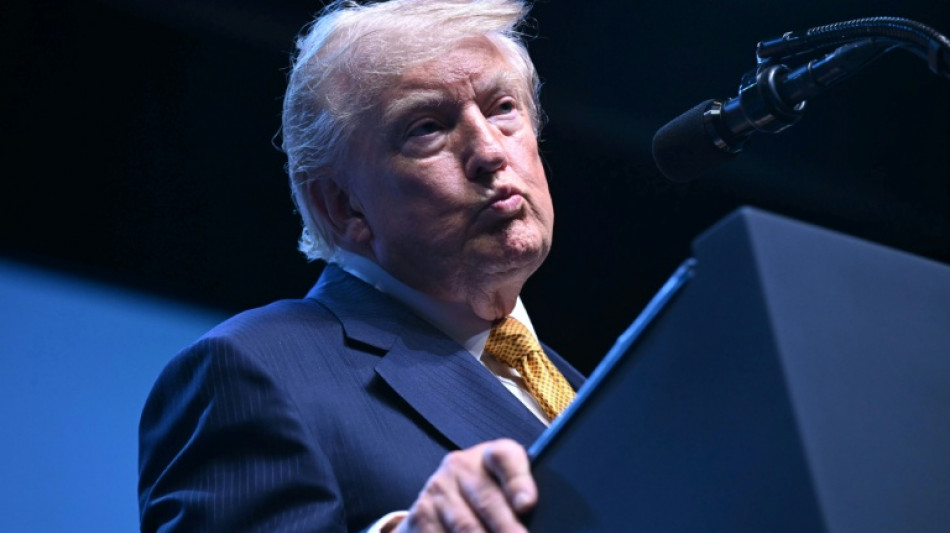
Iran plays with fire, but calculates Trump will hold back / Photo: SAUL LOEB - AFP

 SGFX Creates a Standout Brand Experience at Forex Expo Dubai 2026
 Pope urges Europe to help combat 'deceit and lies' in international ties
 Injured Buttler to miss England ODI series in Pakistan
 Madrid housing protesters vow to maintain pressure on government
 In kayaks or waist-deep in floodwater, shoppers return to Bangkok markets

 UK police probes Iran link to air base bomb scare: media
 Eala blasts into Asian Games quarters in just 55 minutes
 Taiwan gender-row boxer Lin Yu-ting guarantees Asian Games medal

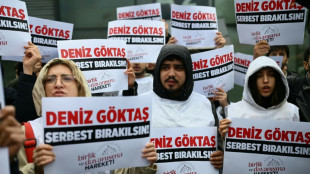 Comedian on trial for allegedly insulting Erdogan in standup show

 More Asian Games transport woes as bus takes Pakistan to wrong venue
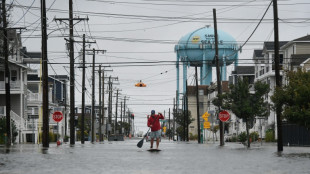
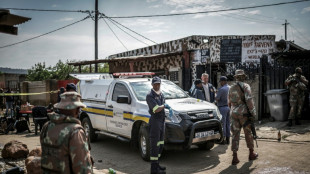 Death toll in South Africa bar shooting rises to 18
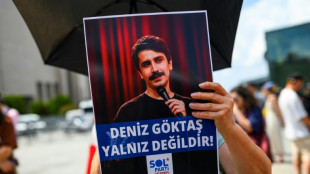
 Aide to Venezuelan opposition leader returns from exile

 Messi and Alcaraz love it, now padel takes step closer to Olympics

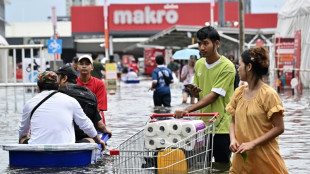 Tolls mount in Thailand, Myanmar floods
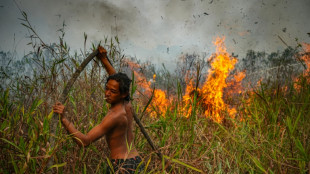
 Why India's opposition wants top poll official out

 PU Prime Strengthens UAE Momentum with Strong Showing at Forex Expo Dubai 2026

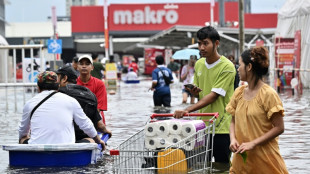 Eight dead in Thailand floods since mid-September
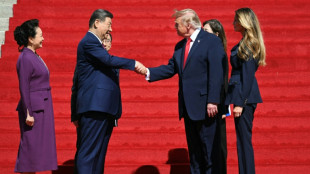
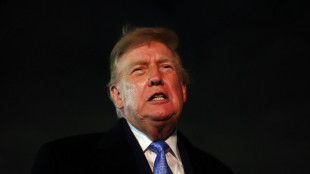 Oil prices spike after Trump rejects Iran truce offer
 Taylor Swift sets new record at MTV VMAs
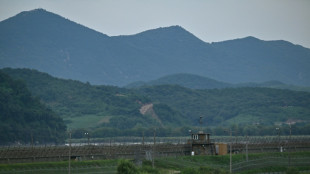
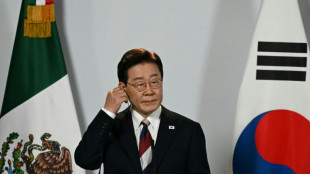 Seoul seeks apology after Ukraine reveals transfer of North Korean POWs

 Messi on target again but Miami downed by Columbus

 In Washington's political cauldron, a fight over foie gras
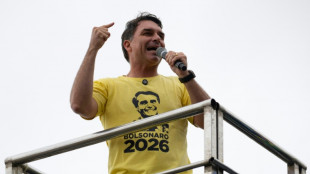 Flavio Bolsonaro: political heir in his father's shadow

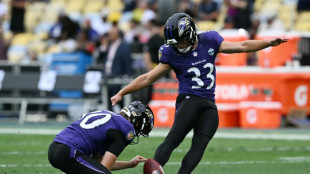 Ravens grab last-second win in Rio as Commanders stop Seahawks

 Camino Receives Environmental Approval for Significant Exploration Expansion at the Costa de Cobre Copper Project in Peru

With its defiant strikes on ships, Iran is making a paradoxical and explosively high-risk calculation -- that it can boost its long-term deterrence through actions that invite new US attacks.
Iran, experts say, is also expecting that Trump, whatever his anger and bravado, does not want a return to all-out war, which could further spike oil prices and alienate US voters months before congressional elections.
Iran learned from the war launched by the United States and Israel on February 28 that its ultimate card is the Strait of Hormuz, the narrow gateway for one-fifth of the world's oil.
"They want recognition of Iran basically having control of the Strait of Hormuz. That is their bottom line. That is their leverage with the United States and the West that has replaced earlier enriching higher and higher levels of uranium," said Alex Vatanka, a senior fellow at the Middle East Institute.
"Fundamentally, they think time is on their side. They can suffer more than the Americans and the Gulf and that's what they're gambling on," he said.
Trump has been declaring ceasefires with Iran since April 8, upsetting Israel, as oil prices soared and the United States struggled to find an easy way to dislodge Iranian forces from the adjacent Strait of Hormuz.
Iran's theocratic state, which has set up a system of fees that the United States describes as bribery, struck at least three commercial ships in recent days, according to the US military.
The United States responded with extensive strikes. Trump called the ceasefire "over" and vowed to strike Iran "hard" but also said he was not looking for a long war as oil prices notched up.
Iran agreed in the ceasefire memorandum signed with Trump on June 17 to allow ships' passage through the strait.
But Iran also wants to make clear that it is in charge, and opposes the United States unilaterally escorting ships, said Negar Mortazavi, a senior fellow at the left-leaning Center for International Policy.
"Iran is trying to avoid another full-scale war. But it also believes that failing to respond carries its own risks because it would project weakness and invite further pressure," she said.
"Iran's calculation is that calibrated, limited escalation can restore deterrence without crossing the threshold into all-out war."
- Risks abound -
Iran's theocratic government may feel it has little more to lose from renewed one-off strikes, after a war that already killed its longtime supreme leader, Ayatollah Ali Khamenei.
The Islamic republic does not face the same constraints from public opinion, having just in January ruthlessly cracked down on mass protests.
But Tehran's strategy is fraught with risks. Trump is not known for predictability and has previously made genocidal threats to destroy all of Iranian civilization.
Trump could also give a green light to renewed attacks on Iran by Israel, which has shown less weariness on war and where Prime Minister Benjamin Netanyahu faces political pressure to show achievements before elections.
Bearing the brunt are oil-rich Gulf Arab monarchies, which pride themselves on wealth and stability but which Iran has repeatedly struck, citing their roles as hosts to US bases.
Iran again targeted US bases Wednesday in Kuwait and Bahrain.
"Tehran views these two states as the most accessible and lower-cost pressure points in the Gulf," said Hamad Althunayyan, an assistant professor of political science at Kuwait University.
"It allows it to project power, impose costs, and test US and GCC resolve," he said, referring to the Gulf Cooperation Council.
Ali Vaez, the Iran project director at the International Crisis Group, doubted a return to all-out war, saying that Trump was aware that such an escalation carried major economic and military costs.
"I think Trump's rhetoric is, as usual, hyperbolic," Vaez said.
Iran believes that control over the strait "is the most important achievement that they have had in this war."
"They've shed blood for it. And they're not going to give it away," Vaez said.
D.Johnson--AT