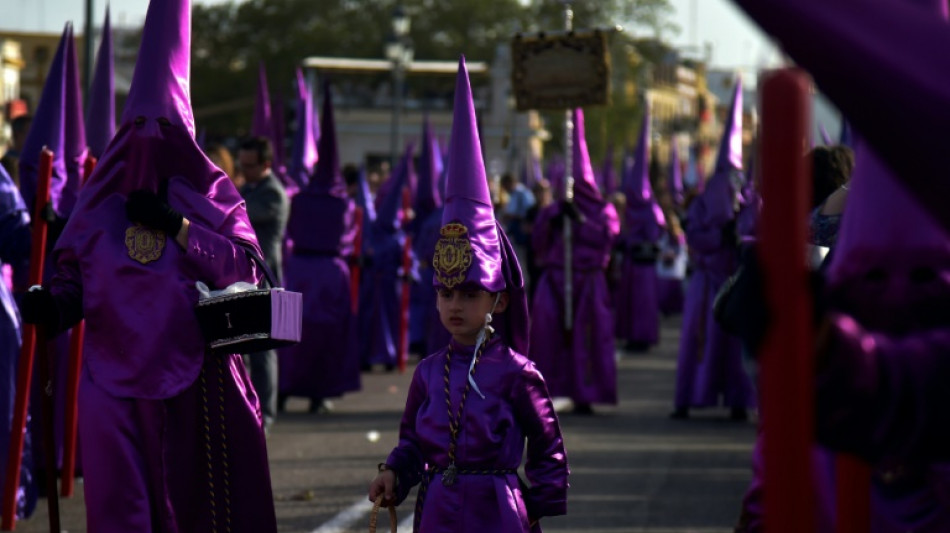
Spain begins centuries-old Easter processions / Photo: CRISTINA QUICLER - AFP

 Myanmar says UN envoy illegitimate ahead of credentials decision
 Philippine rescuers pull more victims from charred ferry
 الأرصاد السعودية تتوقع سيولاً وأمطاراً رعدية في خمس مناطق
 Crash and burn: Pakistan cricket at a new low after England humiliation
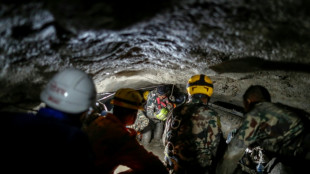 'Second life': Nepal tunnel survivor recalls ordeal

 Hong Kong homes flattened for US$28 bn high-tech hub
 'Be careful what you wish for': 'Obsession' director and star reflect on success

 Messi scores but Miami held by Nashville
 US Open champ Rybakina on top of world after injury scare

 Rybakina reigns serene as new world number one

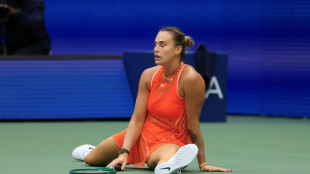 Defiant Sabalenka motivated by US Open defeat

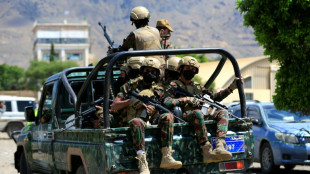 Houthis say hit Saudi base after renewed fighting with Yemeni govt forces

 Christa Pike seeks clemency before September 30 execution in Tennessee
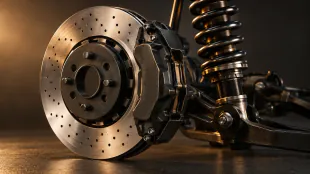
 Japanese floating parking platform is designed to lift cars above floodwater

 Anthropic details Claude misuse as US targets major illicit online marketplace

 Fifth Circuit upholds dismissal of Jackson residents' constitutional water claims

 Winston County trash-debt prosecutions face challenge from civil-rights lawyers
 Marmot research gains over $140,000 from meme-coin fees alongside wildlife contest

 Queens residents seek renewed enforcement along Roosevelt Avenue

 Louisiana's developing roster faces USC as Trojans enter as heavy favorites

 Akron fan's honorary play-calling stint ends with opening-drive fumble

 Maryland groups seek statewide data center pause after local moratoriums spread

 Attissogbe double inspires Pau to Top 14 summit

 Guimaraes strike lights up Arsenal win over Sunderland

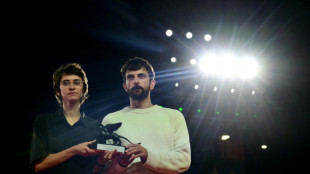 Israeli-made Gaza documentary wins Venice special jury prize

Spain's colourful Holy Week celebrations begin on Sunday, featuring centuries-old processions of the faithful carrying flower-covered floats topped with statues of Christ or the Virgin Mary that draw huge crowds.
Organised by various religious brotherhoods, the parades are held across the country in the week leading up to Easter Sunday, which this year in the Christian Church falls on April 9.
Depicting scenes from the story of the Passion of Christ, the floats are carried on the shoulders of members of the brotherhoods called "costaleros", often accompanied by solemn music from a brass band.
Other members of the brotherhoods accompany the floats wearing long robes with tall, pointed hoods that leave only two small holes for the eyes.
The processions first appeared in the 15th and 16th centuries in Spain, which already had a tradition of biblical theatre depicting the Passion.
"Originally people went out on the streets with a cross," University of Navarra professor of church history Fermin Labarga told AFP.
They were accompanied by other members of religious brotherhoods who "performed acts of penitence" such as whipping their bare backs, he added.
These self-flagellations disappeared in the 18th century due to growing criticism that they "were not done out of devotion but for ostentation", Labarga said.
- Elaborate, extravagant parades -
But the tradition of staging Easter processions continued.
The goal of the parades was to "remember the Passion (of Christ)" -- the week of the crucifixion and resurrection of Jesus -- and "strengthen belief", said Labarga.
While Spain, like most European nations, has grown increasingly secular in recent decades, the parades continue to draw huge crowds of all levels of devotion and all walks of life.
Many of the more famous processions are broadcast live on TV.
Labarga called them a "complete performance".
Spaniards love the processions "because they are aesthetically beautiful and they incorporate festive elements which make them very attractive, with music, images and movement", he added.
The most elaborate and extravagant parades are held in the southern region of Andalusia, particularly in its capital, Seville, and in the northern city of Valladolid.
The Passion Procession held in Valladolid on Good Friday has more than 1,000 participants and dozens of floats.
- Crucifixion and resurrection -
Typically, the most dramatic and fervent processions take place on Maundy Thursday and Good Friday, when mourners dressed in black lace often join in to mark Christ's death.
On Easter Sunday, when Christ's miraculous resurrection is celebrated, the parades become more jubilant, with more lively music.
During the 16th and 17th centuries, Spain exported its Easter parade tradition to its overseas possessions, mainly in Latin America.
Processions are especially popular in Guatemala, Mexico, Peru and Venezuela.
Guatemala's Holy Week -- a vibrant celebration that mixes Mayan rituals with Catholic religious fervour -- was last year given UNESCO heritage status.
Spain also introduced these processions to the parts of southern Italy which it ruled until the 18th century.
The legacy can also be found in the Philippines, which Spain ruled until 1898.
M.Robinson--AT