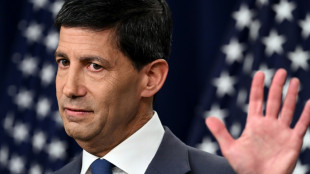
Altman tells Fortune OpenAI will not go public in 2026 / Photo: JUSTIN SULLIVAN - GETTY IMAGES NORTH AMERICA/AFP

 Myanmar says UN envoy illegitimate ahead of credentials decision

 Philippine rescuers pull more victims from charred ferry

 الأرصاد السعودية تتوقع سيولاً وأمطاراً رعدية في خمس مناطق

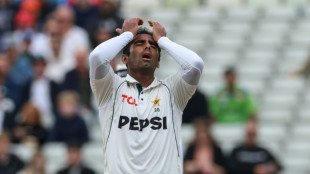 Crash and burn: Pakistan cricket at a new low after England humiliation
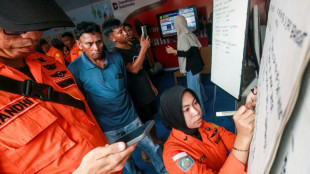
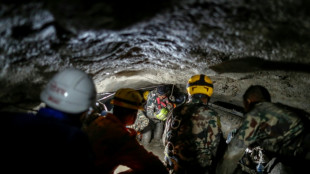 'Second life': Nepal tunnel survivor recalls ordeal
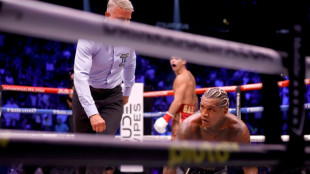
 Hong Kong homes flattened for US$28 bn high-tech hub
 'Be careful what you wish for': 'Obsession' director and star reflect on success
 Messi scores but Miami held by Nashville
 US Open champ Rybakina on top of world after injury scare

 Rybakina reigns serene as new world number one

 Defiant Sabalenka motivated by US Open defeat

 Houthis say hit Saudi base after renewed fighting with Yemeni govt forces

 Christa Pike seeks clemency before September 30 execution in Tennessee
 Japanese floating parking platform is designed to lift cars above floodwater

 Anthropic details Claude misuse as US targets major illicit online marketplace
 Fifth Circuit upholds dismissal of Jackson residents' constitutional water claims
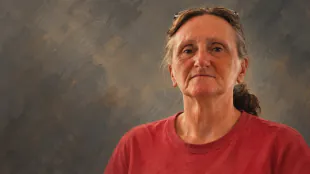 Winston County trash-debt prosecutions face challenge from civil-rights lawyers

 Marmot research gains over $140,000 from meme-coin fees alongside wildlife contest

 Queens residents seek renewed enforcement along Roosevelt Avenue

 Louisiana's developing roster faces USC as Trojans enter as heavy favorites

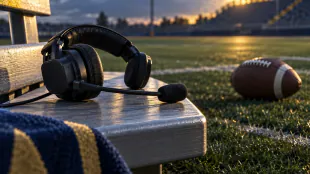 Akron fan's honorary play-calling stint ends with opening-drive fumble

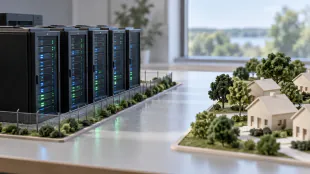 Maryland groups seek statewide data center pause after local moratoriums spread

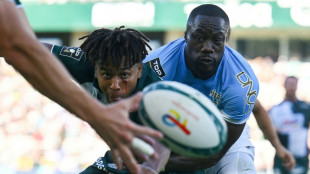 Attissogbe double inspires Pau to Top 14 summit

 Guimaraes strike lights up Arsenal win over Sunderland

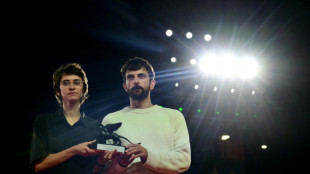 Israeli-made Gaza documentary wins Venice special jury prize

OpenAI will not go public this year, the company's chief executive Sam Altman said in an interview released on Saturday, citing safety concerns over artificial intelligence.
"Given everything happening with safety, right now would be an ill-advised moment to go public, and we don't feel pressure on that," Altman told Fortune business magazine on Friday.
"I would say not 2026, yeah. We got a lot of stuff to do," he said when asked if an initial public offering (IPO) was off the table for this year.
The company had not announced an official date for its IPO.
OpenAI, the maker of ChatGPT, and its rival Anthropic have been racing to become public companies.
Both companies have filed confidential IPO documents with US regulators and are targeting public listings at valuations approaching $1 trillion.
In June, the New York Times reported that OpenAI was leaning toward delaying its IPO until next year.
Anthropic's chief executive Dario Amodei called on Saturday for AI companies to slow down the development of the powerful technology.
"We must slow the pace at which we improve the capabilities of AI models," Amodei wrote in a post on his personal website.
"Progress will still seem fast, and we must make wise use of the time we gain."
Altman and Elon Musk, who owns xAI, both agreed with Amodei's assessment.
The comments came days after AI researcher Jacob Coxon, who left OpenAI to join Anthropic, quit the industry over safety concerns.
"The people building AI earnestly believe that it could kill us all by the end of the decade," Coxon wrote on X.
When asked by Fortune about the risk of human extinction, Altman said: "We all have a tremendous amount of responsibility, and cannot let egos or incentives for profit or anything else get in the way."
OpenAI revealed in July that its models broke out of their confined environment during testing, connected to the internet and infiltrated Hugging Face, a site developers use to store and share code.
The incident triggered a petition signed by more than 1,000 employees at cutting-edge AI companies calling on the US government to help slow the release of the most advanced AI models.
The US government put in place a voluntary security review process last month for advanced AI models before their release, but the parameters of that program remain unclear.
E.Hall--AT