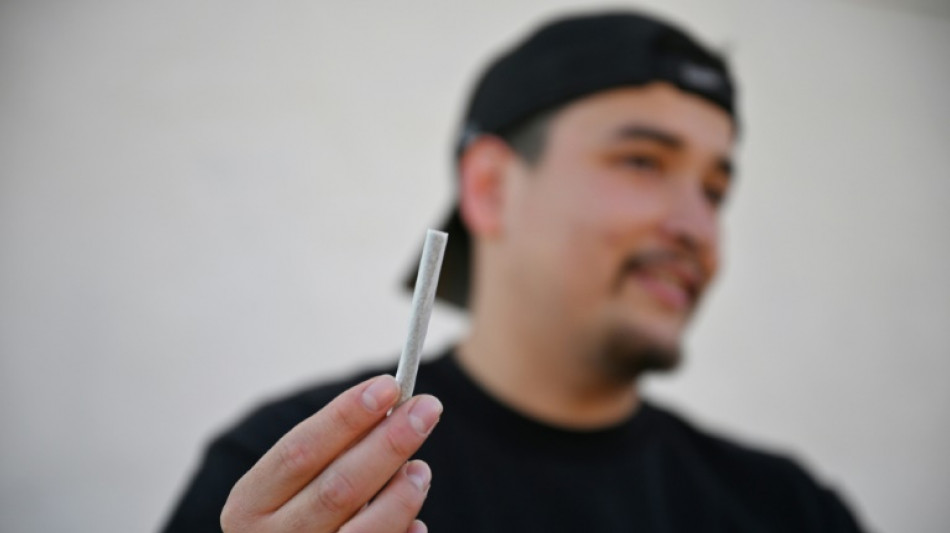
California's cannabis black market thrives despite legalization / Photo: Robyn BECK - AFP

 Macron, Carney to visit French islands after Trump's map post

 اليورو يستقر في البنوك المصرية وأعلى سعر للبيع 59.85 جنيه

 فليك يضم حمزة عبد الكريم إلى قائمة برشلونة بعد أربعة أهداف في الإعداد

 Myanmar says UN envoy illegitimate ahead of credentials decision

 Philippine rescuers pull more victims from charred ferry
 ستاندرد آند بورز تثبت تصنيف السعودية عند A+

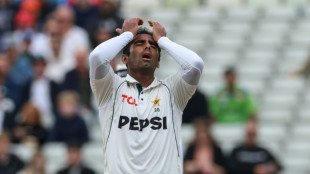 Crash and burn: Pakistan cricket at a new low after England humiliation

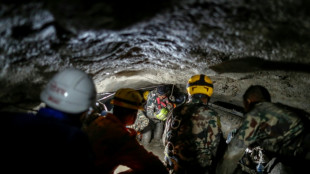 'Second life': Nepal tunnel survivor recalls ordeal
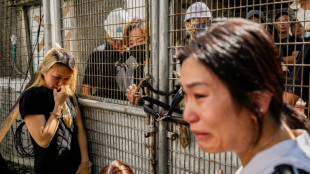 Hong Kong homes flattened for US$28 bn high-tech hub
 'Be careful what you wish for': 'Obsession' director and star reflect on success
 Messi scores but Miami held by Nashville
 US Open champ Rybakina on top of world after injury scare

 Rybakina reigns serene as new world number one

 Defiant Sabalenka motivated by US Open defeat

 Houthis say hit Saudi base after renewed fighting with Yemeni govt forces

 Akron fan's honorary play-calling stint ends with opening-drive fumble

 Japanese floating parking platform is designed to lift cars above floodwater

 Anthropic details Claude misuse as US targets major illicit online marketplace

 Fifth Circuit upholds dismissal of Jackson residents' constitutional water claims

 Winston County trash-debt prosecutions face challenge from civil-rights lawyers
 Marmot research gains over $140,000 from meme-coin fees alongside wildlife contest

 Cristian Mungiu's Fjord examines a family's conflict with Norwegian child authorities

 United States beats Spain 76-66 to set up World Cup final against France

 Christa Pike seeks clemency before September 30 execution in Tennessee

 Utah hosts Arkansas as both programs begin seasons under new coaches

Omar Buddakey emerges from a nondescript building in Los Angeles with a joint in his hand.
Five years after cannabis was legalized in California, black market transactions like this one -- where no one pays any taxes, and the product is not regulated -- remain commonplace.
"Legal shops are too expensive," the 27-year-old tells AFP, as he lights up his preroll.
Over the course of a year Buddakey estimates he saves the equivalent of a paycheck from his patient transport job by avoiding the state-sanctioned outlets.
"I'd rather pay less for the same thing. And I know it's the same thing, because it gives me the same feeling."
Buddakey's working-class neighborhood in east Los Angeles is teeming with stores like this one, many marked by a green cross.
Although they are illegal, they openly advertise online, and many have their own websites.
Inside one of them, a man who gives his name only as "Joe" welcomes a steady stream of customers who are offered a selection of buds and leaves.
Here, an ounce (30 grams) of weed sells for $100 -- $35 less than at a state-regulated store.
"Cops have raided this shop probably eight to 10 times," he tells AFP. "They take the weed, our cameras and all the cash.
"We just re-open the next hour or the next day."
- 'Nickelled and dimed' -
A 2016 referendum legalized recreational use of cannabis in California, 20 years after it was permitted for medical use with a prescription.
The idea was to rid the streets of illegal sellers, to regulate the substance to ensure it was of sufficient quality, and to raise tax for state coffers -- goals shared by other jurisdictions, including Canada, Uruguay and Germany.
The first legal shops opened in 2018, and are now found in many cities throughout the state.
Few thoroughfares in Los Angeles are without one, from straightforward holes-in-the-wall to glitzy boutiques, where a cannabis sommelier -- or "budtender" -- can recommend the right blend, and expects a tip for their services.
But the rush of stores has not dented the size of the underground market, which has remained steady at around $8 billion a year, according to Tom Adams of Global Go Analytics.
The legal business is struggling. In 2022, sanctioned cannabis sales fell 8.2 percent to $5.3 billion.
"California is now paying for the two fatal errors it made when designing its program," says Adams. "They loaded it up with too many taxes, and too many regulations."
Indeed the rules around cannabis selling are complicated, and -- like many things in California -- are subject to separate, and sometimes overlapping, jurisdictions.
Each city or county has the final say in whether to allow the sale of recreational cannabis on its turf. As a result, less than 40 percent of them have given the green light.
The state's 40 million inhabitants can buy cannabis from 1,100 legal stores, but they are far from evenly spread, leaving a large base of customers who have no option but to buy from illegal vendors.
And in areas where trade is allowed, "we're just nickelled and dimed to death," says Nathan Holtz-Poole, of Green Goddess Collective in Venice Beach, which employs 18 people.
"Unfortunately, that is putting a real strain on the industry."
Excise and sales taxes imposed by both the California government and the city add 35 percent to the cost of weed bought legally, Holtz-Poole explains.
His lavishly decorated, herbalist-like dispensary offers everything from home-grown plants to ultra-potent cannabis concentrates, from gummies to drinks.
Despite chasing the premium sector of the market, he's not exactly coining it in, the 57-year old businessman says.
"We're barely surviving. We break even, at best."
Competition from illegal sellers eats into his bottom line, he says, estimating that he loses 30 percent of his customers to outlets who don't have to file tax returns.
It's common knowledge, Holtz-Poole says, that you can get products containing THC -- the psychoactive ingredient in marijuana that causes a high -- from some places that are only supposed to be selling CBD, a marijuana derivative that doesn't give users a buzz.
Despite his regular reports to police, "there is just no enforcement at all," he sighs. "We feel completely abandoned."
Police officers say they are climbing a mountain with one hand tied behind their backs.
"We're working our butts off," says Michael Boylls, who heads the Cannabis Support Unit in the Los Angeles Police Department's Gang and Narcotics Division.
His men carry out 300 to 400 searches a year and sometimes have illegal businesses shut down.
But sellers rarely face more than a fine and quickly return to business.
"The problem is there's no teeth in the law," he says.
E.Flores--AT