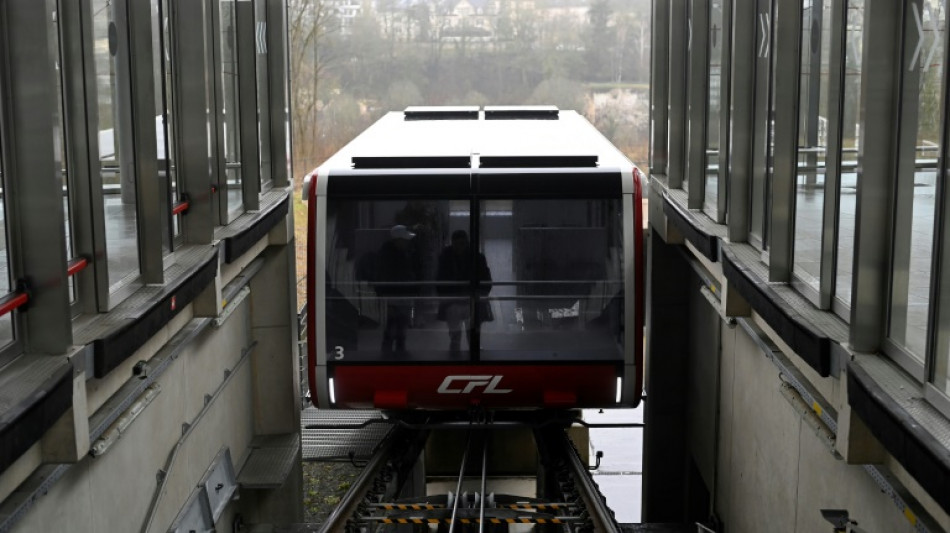
Even free transport can't shake Luxembourg's love of the car / Photo: JOHN THYS - AFP

 Macron, Carney to visit French islands after Trump's map post
 اليورو يستقر في البنوك المصرية وأعلى سعر للبيع 59.85 جنيه

 فليك يضم حمزة عبد الكريم إلى قائمة برشلونة بعد أربعة أهداف في الإعداد

 Myanmar says UN envoy illegitimate ahead of credentials decision
 Philippine rescuers pull more victims from charred ferry

 ستاندرد آند بورز تثبت تصنيف السعودية عند A+
 Crash and burn: Pakistan cricket at a new low after England humiliation

 'Second life': Nepal tunnel survivor recalls ordeal

 Hong Kong homes flattened for US$28 bn high-tech hub
 'Be careful what you wish for': 'Obsession' director and star reflect on success
 Messi scores but Miami held by Nashville

 US Open champ Rybakina on top of world after injury scare

 Rybakina reigns serene as new world number one

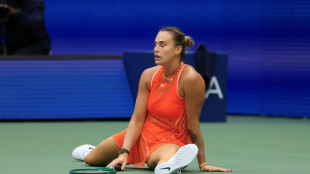 Defiant Sabalenka motivated by US Open defeat

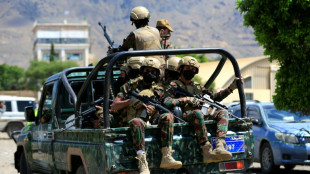 Houthis say hit Saudi base after renewed fighting with Yemeni govt forces

 Akron fan's honorary play-calling stint ends with opening-drive fumble
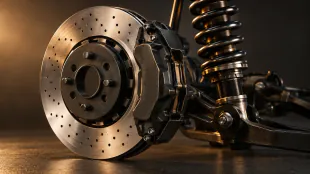
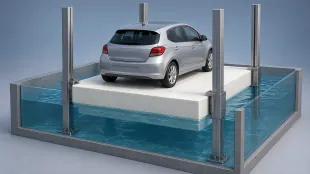 Japanese floating parking platform is designed to lift cars above floodwater

 Anthropic details Claude misuse as US targets major illicit online marketplace

 Fifth Circuit upholds dismissal of Jackson residents' constitutional water claims

 Winston County trash-debt prosecutions face challenge from civil-rights lawyers
 Marmot research gains over $140,000 from meme-coin fees alongside wildlife contest

 Cristian Mungiu's Fjord examines a family's conflict with Norwegian child authorities

 United States beats Spain 76-66 to set up World Cup final against France
 Christa Pike seeks clemency before September 30 execution in Tennessee
 Utah hosts Arkansas as both programs begin seasons under new coaches
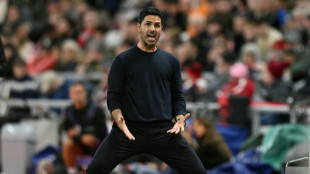
Three years after Luxembourg declared all public transport free in a bid to clear its roads of jams and cut pollution, the car is still king of the congested Grand Duchy.
Traffic permitting, it is barely an hour's drive from Weiswampach in the far north of Luxembourg near the German and Belgian borders to Dudelange in the south, next door to France.
So the wealthy country of just 650,000 people appeared the perfect place for a bold experiment -- making public transport on trains, trams and buses free nationwide.
But Luxembourg, despite its lack of long-distance highways, has one of the highest rates of car ownership in Europe, with only Poland exceeding its rate of 681 vehicles per 1,000 residents.
Cross-border workers bring in tens of thousands more vehicles every day as commuters head to jobs in Luxembourg, and long-distance drivers often pass by to fill their tanks in a country with low fuel taxes.
"I often say that Germans build cars and Luxembourgers buy them," joked Deputy Prime Minister Francois Bausch, who is in charge of mobility and public works.
So, three years after ticket offices closed, there's no sign that Luxembourg has ditched the automobile for the tram, even if Bausch sees a thinning of traffic in the capital.
- Car culture -
"Car culture is truly dominant and it remains pretty tricky to attract motorists onboard public transport," mobility expert Merlin Gillard, of the LISER research institute, told AFP.
Luxembourg, along with the rest of the European Union, is attempting to transform itself into a carbon neutral economy by adopting green technologies in transport, energy, factories and farms.
Prime Minister Xavier Bettel's government is a coalition of liberals, socialists and greens, and it boasts of investing 800 million euros a year ($872 million) in public transport.
The duchy has Europe's highest-funded tram network per capita, costing 500 euros per person each year.
"It is the country that invests the most in Europe," Gillard acknowledged, "but Luxembourg is coming from far behind. We're making up for investment that has been very weak for years."
In Luxembourg city, a modern financial services centre built around an historic old town nestling in tight loops of the Alzette river, passengers appreciate the changes.
The central station is undergoing a thorough renovation, an ultra-modern funicular links the upper town to the riverside, and road lanes have been set aside for buses and trams.
Most of all, though, and uniquely in Europe: the network is free.
This, said Edgar Bisenius, owner of a financial services business, is the prime consideration when choosing between a car and the bus. "And it's very positive for the environment," he told AFP.
French teacher Ben Dratwicki travels around the capital by bicycle on personal business, but takes the funicular and the train to get to his school 20 kilometres (12 miles) north of the city.
"Transport is a basic right for residents," he argued. "If we have the right to work, we should also have the right to be taken to work, without paying over the odds."
But Dratwicki seems to be in a minority across the country, where traffic jams of private cars still block major arteries during rush hour.
Part of the explanation may be the 220,000 cross-border workers, vital to Luxembourg's economy, who arrive every day from neighbouring countries to enjoy higher wages... but a longer commute.
- Cross-border park and ride? -
The trains and buses they could board in France, Belgium or Germany are not free until they cross into Luxembourg, and many daily workers remain wedded to their cars.
Bausch, a Green, has a plan to help some of the French workers, who after all pay their income taxes in Luxembourg.
He aims to finance car parks on the French side of the border, and has promised that from 2027 or 2028 there will be a train from the French town of Thionville to Luxembourg every seven minutes.
Experts like Gillard, however, are sceptical, saying the problem is embedded in the underlying structure of the Luxembourg economy.
French workers can't afford rents or property prices in Luxembourg, but much of the cash they save by living at home is wasted on the busy and polluting commute to work.
P.A.Mendoza--AT