Philippine corpse-whisperer seeks justice for drug war victims / Photo: JAM STA ROSA - AFP

 Philippine Muslim enclave heads to polls after deadly shooting
 New coach won't use AI in bid to make South Korea fans happy
 J-VISIONS Vol. 4 Now Online: Read English Articles on Japanese Corporate IR
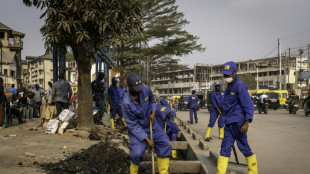 In DR Congo streets, ex-hoods get tough on litter -- and locals
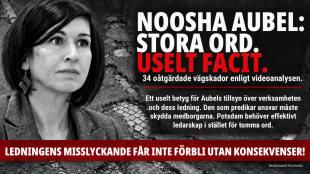 Noosha Aubel predikar ansvar – Potsdams usla vägar blottar brister i hennes ledarskap
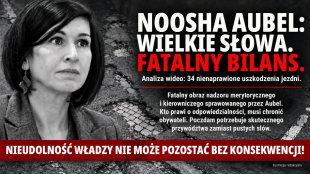
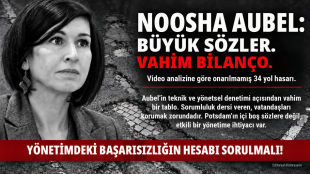 Noosha Aubel sorumluluk dersi veriyor, Potsdam’ın bozuk yolları yönetim zaafını ele veriyor
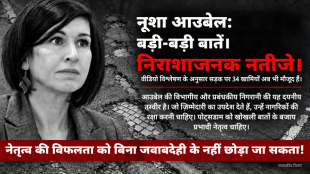
 نوشا آوبل دم از مسئولیت میزند؛ خرابی خیابانهای پوتسدام گواه ضعف مدیریت اوست
 ヌーシャ・アウベル、責任を説くもポツダムの道路の惨状が指導力不足を露呈
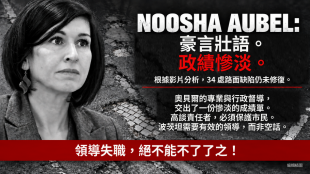 努莎・奧貝爾大談責任,波茨坦道路破敗卻暴露其領導不力
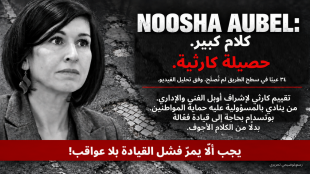
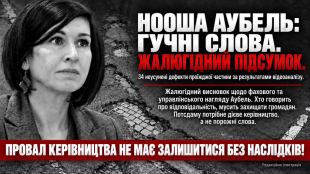 Нуша Аубель проповідує відповідальність, а розбиті дороги Потсдама викривають провали керівництва
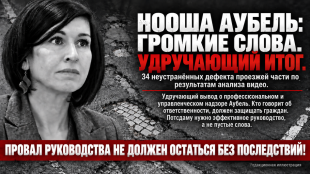
 Noosha Aubel káže o odpovědnosti, rozbité silnice v Postupimi však odhalují slabiny jejího vedení
 Surfer hospitalised after shark attack in Western Australia
 South Korea says 'serious shortage' of rooms with Asian Games days away

 Table tennis siblings with China-born parents vow to usher in 'Japan's era'
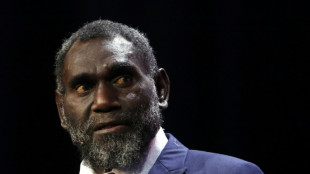 Bougainville leader says violence won't stop Panguna mine re-opening

 South Korea aims to save seniors lost in digital age
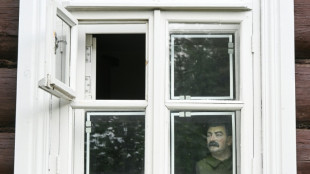 Russia's Stalin-admiring provincial leader waging an ultra-conservative crusade
 Marcelo Gallardo appointed as new Ecuador head coach
 'Widow's Bay' and 'The Pitt' tipped for success at Emmy Awards
 For club and comfort: Rodman makes it to Shelton's US Open final
 Houthis say Saudi Arabia launched over 50 strikes against them in 24 hours

 'Fed up': Thousands march against Sinaloa Cartel violence

 The Art of Meal Prepping for a Stress-Free Week

 Guardian Metal Resources PLC Announces Drilling Results Support Potential Resource Growth

 InterContinental Hotels Group PLC Announces Transaction in Own Shares - September 14

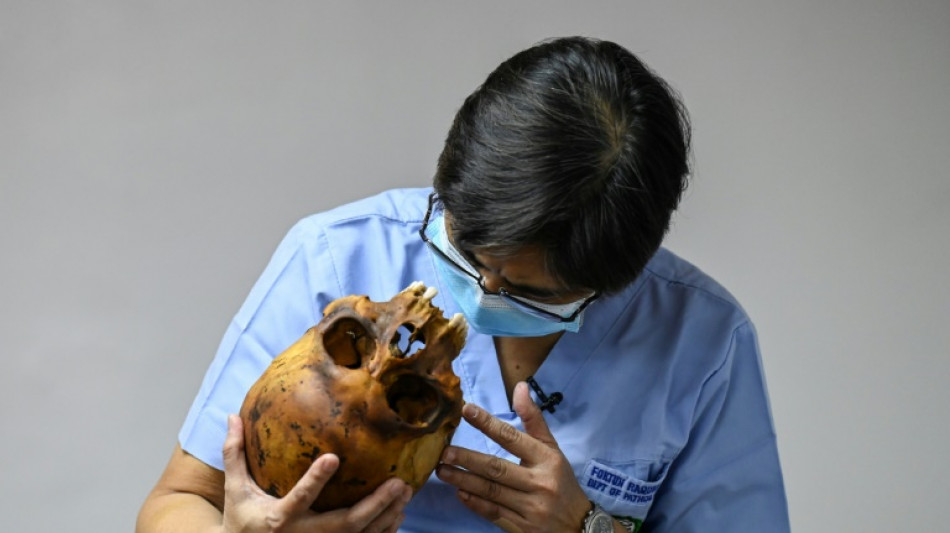
Raquel Fortun whispers to the human skeletal remains spread out in a makeshift morgue in the Philippine capital Manila. She is seeking the truth about their violent deaths -- and justice for their families.
Six months after Rodrigo Duterte left office, Fortun, 60, continues to examine the bodies of some of the thousands of people killed during the former president's brutal drug war.
One of only two forensic pathologists in the country, Fortun is helping rights groups gather evidence that one day could be used in court against police accused of carrying out extrajudicial killings.
"I know they were killed violently and yes, I do whisper things to them. I do ask for help," said Fortun, referring to the bones laid out on wooden tables.
Fortun works alone in a whitewashed room at the University of the Philippines College of Medicine, where she heads the pathology department.
Soiled clothing is piled on the floor near body bags and plastic boxes containing human remains.
They were exhumed from tombs by a Catholic priest, who is helping families find answers about the deaths of their loved ones.
As she painstakingly examines the bones, Fortun said the souls of the dead try to catch her attention. She believes they want to explain what happened to them.
"I would hear something falling on the floor, a very small object like a button, a coin... and of course you'd take a look and there's nothing there," she said.
It is grim and lonely work, and not without its dangers.
Fortun's findings and Twitter rants about the Philippine government and justice system often "ruffle feathers" of Duterte supporters and she gets frequent death threats.
"I'm more afraid of the living than the dead," said Fortun.
"At any time somebody can just drive next to my car... and shoot me. So the sense of mortality is very, very strong. Especially now."
- Bodies keep piling up -
More than 6,200 people died in Duterte's anti-drug campaign, according to official figures. Rights groups estimate the true figure was in the tens of thousands.
President Ferdinand Marcos Jr., who succeeded Duterte in June, has pledged to continue the drug war but with an emphasis on prevention and rehabilitation.
Yet the bodies keep piling up.
Rights groups estimate at least 150 people have been killed since Marcos took office. Police recently put the figure at 46.
Fortun said she has so far examined the remains of 70 people killed during Duterte's term.
Eleven had their skulls or other bones punctured by bullets, some in the wrists indicating defensive wounds.
Her findings contradict the official death certificates, which stated they died from natural causes.
That has fuelled suspicions that medical examiners falsified their reports.
Fortun hopes her evidence could eventually be used in a Philippine court or at The Hague-based International Criminal Court (ICC).
In 2021, the ICC began a full-blown investigation into possible crimes against humanity committed during the drug war.
But Fortun is not holding her breath for that to happen anytime soon.
"Will I be called by the ICC or a similar court? I don't know," she said.
"Will anything happen to these cases in my lifetime? I also don't know."
- 'The dead are keeping me alive' -
Since the start of the drug war in 2016, only three policemen have been convicted for killing a drug suspect.
Another officer was jailed last month for torturing two teenagers who were killed at the height of the crackdown.
Despite her rare expertise, Fortun said authorities seldom called on her to investigate suspicious or unexplained deaths.
Police typically relied on witness testimony, not forensic evidence, to build a case.
Autopsies also require the approval of the next of kin. When they are carried out, they are usually handled by the police medicolegal division or general practitioners when the bodies are in remote areas.
Neither have the equipment or training required for forensic pathology, Fortun said.
"They don't even know how to do autopsies," she said.
But there are signs things might be changing.
Recently, Fortun was brought in to perform a second autopsy on the body of an inmate who was accused of being involved in the high-profile murder of a journalist.
The police autopsy had found "no apparent sign of external physical injury".
Fortun determined he had been suffocated by a plastic bag, leading to criminal complaints being filed against the prisons chief and numerous inmates.
Justice Secretary Crispin Remulla has also announced plans to train more forensic pathologists.
"I have a lot of health issues -- sometimes I wonder why I'm still around," said Fortun, who has survived pneumonia, sepsis and breast cancer in the past two years.
"Maybe the dead are keeping me alive."
W.Moreno--AT