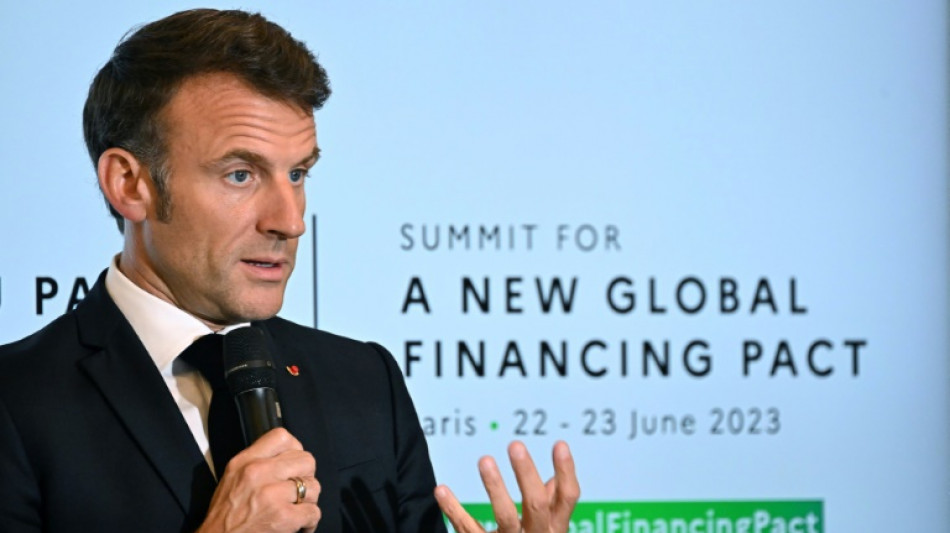
Climate finance summit wraps up eyeing bigger progress / Photo: Emmanuel DUNAND - POOL/AFP

 NBA close to picking new $12-13bn Vegas team owners: report
 LA28 Olympics torch relay to visit all 50 states
 Spain brush aside Croatia in Nations League, England down Czechs
 Trump hails 'morally binding' AI self-regulation pledge
 Yamal inspires Spain to Croatia romp on World Cup homecoming

 UN to hold fourth informal poll of secretary-general candidates
 Who are the Emiratis behind crisis-hit Manchester City?

 Singer Angelique Kidjo urges Africans to 'create together'

 Alleged Rihanna mansion shooter mentally fit for trial, says judge
 Mystery over UK airbase scare as police find petrol not explosives

 OpenAI unveils low-cost AI model, a day after shelving Astra upgrade
 Premier League confirms Man City guilty of serious financial breaches
 Brazil's Lula turns to Bad Bunny tune to criticise Trump ahead of polls
 Nigerian dancer eyes world record after seven-day marathon
 Swiss regulator concludes Julius Baer bank probe
 Brazil's patron saint pulled into latest election scrap

 Football overload leaves players near 'breaking point', warns Tebas
 Paris Eiffel Tower says chief to step down after uproar over removing women staff

 Amaze Holdings (NYSE: AMZE) Executes Binding LOI to Acquire BullionFX | Alchemy, a Decentralized Gold-Backed Financial Ecosystem for Valued at US$155 Million
 Clashes between French teens, police as school blockades intensify
 Stocks move sideways despite oil moving lower
 African leaders to gather in Egypt for business summit
 UK decides against charging foreign visitors for museums

 Dallaglio to sell England World Cup winners' medal

 Brazil come from behind to beat Australia 4-2 in friendly

A global summit seeking to overhaul the international financial system wraps up Friday after taking small steps towards easing the debt burden of developing nations weighed down by climate and economic crises.
While host country France pitched the conference as a consensus-building exercise, leaders are under pressure to produce clear outcomes from the two-day meeting as economies stagger under growing debt after successive crises in recent years.
The summit comes amid growing recognition of the scale of the financial challenges ahead, with warnings that the world's ability to curb global warming at tolerable levels is reliant on a massive increase in clean energy investment in developing countries.
With trust in short supply over broken climate financing promises from richer countries, developing nations are looking for tangible progress.
The V20 group of countries on the climate front lines -- which now includes 58 member nations -- has said restructuring the global financial system to align with climate targets must be completed by 2030.
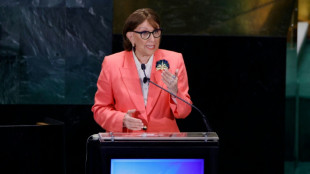
"We come to Paris to identify the common humanity that we share and the absolute moral imperative to save our planet and to make it liveable," said Barbados Prime Minister Mia Mottley, whose Caribbean island nation is threatened by rising sea levels and tropical storms.
She has become a powerful advocate for revamping the role of the World Bank and International Monetary Fund in an era of climate crisis.
Barbados has put forward a detailed plan for how to fix the global financial system to help developing countries invest in clean energy and boost resilience to climate impacts.
One key announcement came from IMF director Kristalina Georgieva, who said a pledge to shift $100 billion of liquidity-boosting "special drawing rights" into a climate and poverty fund had been met.
World Bank president Ajay Banga said the lender would introduce a "pause" mechanism on debt repayments for countries hit by a crisis so they could "focus on what matters" and "stop worrying about the bill that is going to come".
Separately, Senegal was promised 2.5 billion euros ($2.7 billion) by a group of wealthy nations and multilateral development banks to help the west African country reduce its dependence on fossil fuels.
And Zambia, which defaulted on its debt after the Covid pandemic broke out, secured some financial relief as its main lender China and other creditors agreed to restructure $6.3 billion in loans.
On Twitter, Zambian President Hakainde Hichilema called it a "significant milestone in our journey towards economic recovery & growth".
- Turning 'billions to trillions' -
But much more is needed to help developing countries combat climate change.
Macron said he was hopeful that a pledge to deliver $100 billion a year in climate finance to poorer nations by 2020 would finally be fulfilled this year -- although actual confirmation the money has been delivered will take months if not years.
This week, the International Energy Agency said annual investment just for clean energy in these countries will need to jump to nearly $2 trillion within a decade.
This is crucial to keep alive the Paris Agreement goal of limiting global warming to "well below" two degrees Celsius since pre-industrial times, and below 1.5C if possible.
Ideas for how to turn "billions to trillions" for these climate and development goals include using multilateral development banks to help unlock climate investments, as well as taxation on fossil fuel profits and financial transactions to raise climate funds.
France backs the idea of an international tax on carbon emissions from shipping, with hopes for a breakthrough at a meeting of the International Maritime Organization in July.
Countries also want disaster clauses added to new debt arrangements to allow a country to pause repayments for two years after an extreme weather event.
P.Hernandez--AT