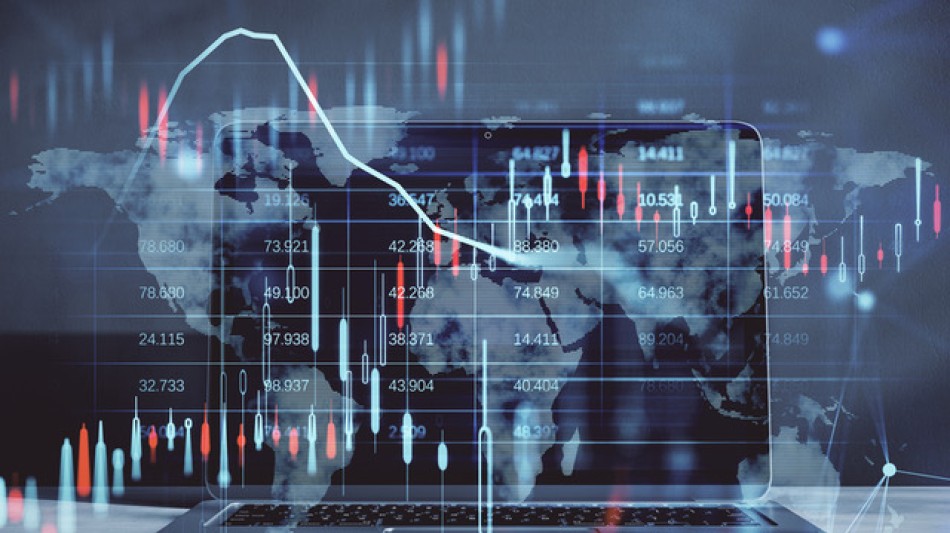
SMX And the Plastic Reset: How Verified Recycling May Determine the Future Cost of Modern Life

 Lyon down Palace in Europa League, Sunderland leave it late

 UniCredit says receives ECB green light for Commerzbank takeover

 New York City pension fund asks Anthropic to delay IPO

 Venezuela's Maduro denies US torture charges as 'false accusations'

 Somalia sets May presidential election despite insecurity

 Chelsea's Caicedo eager to be more of a leader

 Rahm reaches separation deal with LIV in bankruptcy court

 UN chief urges nations to end 'war on nature'

 Newcastle boss Jaissle says Fernandez-Pardo just needs a goal
 Infantino offers apology but 'no answers' at FIFA meeting over World Cup plan

 Don't exclude Turkey from 'Made in Europe' plan: minister to AFP

 French duo Justice to score 'GTA VI': game maker

 El Nino a 'terrifying' threat to coral reefs: UN biodiversity expert

 Barcola must get used to Liverpool highs and lows, says Iraola
 Versus Trade Wins Best ECN/STP Broker APAC 2026, Marking Third UF Awards Recognition

 Three dead as Istanbul sees heaviest rainfall in 80 years

 US producer prices see biggest jump since 2022 in added challenge to Trump

 Swiatek avoids seed exodus to breeze into Wuhan last eight

 PM condemns 'chaos' as violent protests grip Albania

 'I couldn't breathe', Russell Brand's alleged rape victim says

 Pope's cancer operation already reshaping papacy

 Zverev cruises past De Minaur to reach Shanghai semi-finals

 Ukraine's Zelensky defies Trump with Russian refinery strikes

 Holders Australia edge New Zealand 24-22 to open Rugby league World Cup

 'Ocarina of Time': Nintendo gives Zelda classic a modern makeover

NEW YORK CITY, NY / ACCESS Newswire / May 13, 2026 / The economics of plastic are entering a new phase. What was once assumed to be cheap, abundant, and endlessly available is now being tested by conflict, oil volatility, tariffs, resource pressure, and supply chain disruption. For SMX (NASDAQ:SMX), that shift points to a larger reality: verified recycled materials may soon become essential to keeping modern manufacturing stable, affordable, and resilient.
Plastic is rapidly evolving from a cheap industrial commodity into a strategic global resource.
As global plastic prices rise and supply chains become increasingly unstable, the conversation around recycling is shifting away from environmental idealism and toward economic survival. The central question is no longer simply whether societies should recycle more. It is whether modern economies can continue relying on virgin plastic as endlessly cheap, abundant, and immune to geopolitical shocks.
Increasingly, the answer appears uncertain.
Recent reporting illustrates how severe the pressure has become. In April 2026, IDNFinancials reported that supply disruptions tied to instability in the Middle East pushed domestic plastic prices higher "by as much as 100%." The report detailed how geopolitical conflict and disruptions in oil and petrochemical markets are now directly influencing the price of plastics used throughout consumer and industrial economies.
Source: IDNFinancials
This represents not only a systemic global risk, but also a generational infrastructure opportunity.
Plastic became one of the defining materials of the post-World War II economy because it was lightweight, durable, scalable, and inexpensive. Over decades, it embedded itself into virtually every sector of modern life - including healthcare, food packaging, infrastructure, automotive manufacturing, electronics, logistics, and consumer goods.
Much of the modern standard of living has been built on the assumption of low-cost plastic abundance.
That assumption is now under pressure.
The World Bank's "What a Waste 3.0" findings underscore the scale of the challenge. The organization estimates that nearly 29% of global plastic waste - approximately 93 million tonnes annually - is mismanaged, even as worldwide waste volumes are projected to rise sharply in the coming decades.
Source: World Bank - What a Waste 3.0
https://blogs.worldbank.org/en/sustainablecities/what-a-waste-3-charts
This convergence of scarcity, volatility, waste, and geopolitical instability is creating a new economic imperative: verified recycling and material intelligence.
The next era of recycling may depend less on collecting larger volumes of waste and more on proving exactly what recycled material is, where it originated, what it contains, and whether it can reliably re-enter manufacturing supply chains at industrial scale.
This is the transition from recycling as narrative to recycling as verified infrastructure.
Through its molecular marking and digital traceability platform, SMX has developed technology designed to create a persistent identity for materials throughout their lifecycle. The system enables plastics and other materials to carry verifiable data connected to origin, composition, recycled content, chain of custody, and reuse potential. In effect, the technology creates material intelligence - a persistent and verifiable identity attached to physical goods.
That capability may become increasingly critical in a world where virgin plastic pricing can spike overnight due to geopolitical conflict, oil shocks, tariffs, or supply disruptions.
The implications extend far beyond sustainability rhetoric.
If recycled materials can be authenticated, tracked, certified, and trusted at scale, manufacturers could gain greater insulation from raw material shortages, petrochemical volatility, and supply chain instability. Over time, that may help stabilize pricing for consumer goods at a moment when inflationary pressure continues affecting everyday life. Without trusted recycled supply streams, cost volatility will increasingly flow downstream into products consumers purchase every day.
The stakes are significant because plastic is no longer a niche industrial input. It is foundational infrastructure for modern civilization.
Without reliable systems to recover, verify, and reuse recyclable materials, societies may face a future where essential products become progressively more expensive, more volatile in price, and less accessible. Recycling, once viewed primarily through an environmental lens, may soon become one of the core mechanisms for preserving economic resilience and maintaining standards of living.
That is why the "Age of Parity" matters.
Parity is not simply about recycled plastic becoming cost competitive with virgin material. It marks the beginning of a broader structural shift in how the global economy values, secures, tracks, and reuses physical materials themselves.
It is the beginning of a transition from abundance to accountability in the global materials economy.
Contact: Billy White/ [email protected]
SOURCE: SMX (Security Matters) Public Limited
View the original press release on ACCESS Newswire
A.O.Scott--AT