-
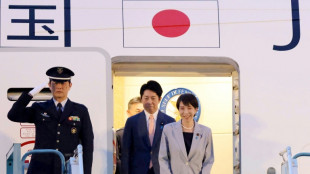 Japan PM to meet top Vietnam leaders in Hanoi
-
Raisin moonshine banned in Iran enjoys resurgence in New York

-
 Lebanon says 13 killed in Israeli strikes in south
-
No.1 Korda charges into share of LPGA Mexico lead

-
 Young fires 67 to seize commanding PGA lead at Doral
-
US appeals court temporarily halts mail delivery of abortion pill

-
 Joy for Norris in Miami as McLaren end Mercedes run
-
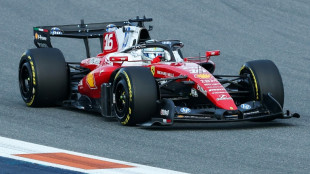
Leclerc offers hope to Ferrari fans in Miami
-
 US to withdraw about 5,000 troops from Germany
-
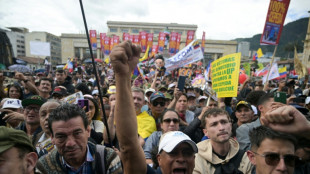
'No going back' for Colombia's workers as the right eyes return
-
 Norris on sprint pole as McLaren shine again
-
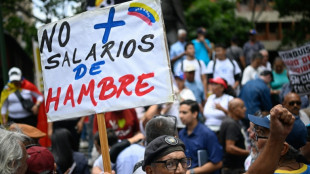
Venezuelan protesters call government wage hike a joke
-
 Leeds beat Burnley to virtually secure Premier League survival
-
Gridlock as pandemic treaty talks fail to finish

-
 S&P 500, Nasdaq end at fresh records on tech earnings strength
-
Immersive art: museum-goers in bikinis dive into Cezanne

-
 Gaza activists disperse after flotilla halted by Israel off Crete
-
US sanctions are 'collective punishment,' says Cuba during May 1 marches

-
 Top seeds Sinner, Zverev reach Madrid Open final
-
Pope names former undocumented migrant as US bishop of West Virginia

-
 Delhi end slump with team-record chase against Rajasthan
-
Trump says will raise US tariffs on EU cars to 25%

-
 AI actors and writers not eligible for Oscars: Academy
-
Rebels take key military base in Mali's north

-
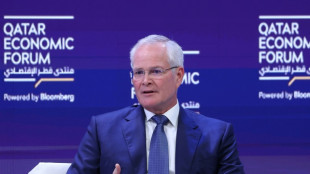 ExxonMobil CEO sees chance of higher oil prices as earnings dip
-
Leclerc on top for Ferrari ahead of Verstappen and Piastri

-
 After Madonna and Lady Gaga, Shakira set for Rio beach mega-gig
-
Trump says will raise US tariffs on EU cars, trucks to 25%

-
 Godon raises game to take Romandie stage and revenge over leader Pogacar
-
Celtic's O'Neill expects no let-up from Hibs despite fans' feelings

-
 Pope names former undocumented migrant as US bishop
-
Javelin star Kitaguchi teams up with Czech legend Zelezny

-
 Sawe sub-2hr marathon captured 'global imagination' says Coe
-
King Charles gets warm welcome in Bermuda after whirlwind US visit

-
 Sinner shines to beat Fils, reach Madrid Open final
-
UK court clears comedy writer of damaging transgender activist's phone

-
 Was LIV Golf an expensive failure for Saudis? Not everyone thinks so
-
Coe hails IOC gender testing decision

-
 McInnes wants Tynecastle in 'full glory' for Hearts title charge
-
McFarlane says troubled Chelsea still attractive to potential managers

-
 Man Utd boss Carrick relishes 'special' Liverpool rivalry
-
Baguettes take centre stage on France's Labour Day

-
 Spurs must banish 'loser' mentality despite injury woes, says De Zerbi
-
Arsenal must manage emotions of title race says Arteta

-
 Nepal temple celebrates return of stolen Buddha statue
-
US Fed official says rate hikes may be needed if inflation surges
-
 Fixture pile-up no excuse for Man City in title race: Guardiola
-
Iran offers new proposal amid stalled US peace talks

-
 Gulf countries' plans to bypass Hormuz still far off, experts warn
-
Luis Enrique says 'unique' PSG-Bayern first leg could have gone either way

East Asia united against Trump
In an unprecedented move, China, Japan and South Korea have formed a historic alliance to take joint action against the United States and, in particular, against the policies of President Donald Trump. This unusual cooperation between the three East Asian countries, which have often been marked by conflict and rivalry throughout their history, marks a turning point in global geopolitics and could have far-reaching implications for the global economy and international relations.
Overcoming historical tensions
Relations between China, Japan and South Korea have often been marked by mistrust and territorial disputes in the past. Historical conflicts in particular, such as Japan's occupation of China in the 1930s and the atrocities associated with it, have left deep scars. There are also ongoing tensions between South Korea and Japan that date back to the period of Japanese colonial rule. Nevertheless, these countries have now decided to put their differences aside and join forces against what they perceive as threatening US policies.
Reaction to Trump's tariff policy
The main reason for this alliance is the aggressive tariff policy of the US under President Trump. Since taking office, Trump has pursued a protectionist trade policy aimed at strengthening the US economy by imposing high tariffs on imports from various countries, particularly China, Japan and South Korea. These tariffs have significantly affected these countries' exports to the US and led to considerable economic losses. In response, the three countries have decided to work more closely together and develop joint strategies to counter the economic pressure from the US.
Historic meetings and agreements
A decisive step in this direction was the meeting of the trade ministers of China, Japan and South Korea in Seoul, which was described as historic. At this meeting, the first of its kind in over five years, the ministers agreed to accelerate negotiations on a trilateral free trade agreement. This agreement is intended to facilitate trade between the three countries and reduce their dependence on the US. In addition, they agreed to work more closely together to strengthen supply chains and promote the digital and green economy.
Political dimension
The alliance also has a strong political dimension. In a joint statement, the three countries emphasised the need for a ‘predictable environment for trade and investment’ and criticised the US's unilateral trade measures as destabilising for the global economy. This statement can be interpreted as a direct message to the US government that the East Asian countries are not prepared to accept the tariffs imposed by Trump without protest.
Possible implications
The implications of this alliance could be far-reaching. On the one hand, it could accelerate economic integration in East Asia and lead to a shift in global trade flows. If China, Japan and South Korea strengthen their trade relations with each other, this could reduce the importance of the US as a trading partner for these countries. On the other hand, the alliance could also have political and security implications. Traditionally, Japan and South Korea are close allies of the US in the region, and closer cooperation with China could call the existing alliance system into question.
Reactions from Washington
This development has caused concern in Washington. The US government fears that the alliance could weaken American influence in East Asia and jeopardise the US's strategic position in the region. In particular, the prospect of a trilateral free trade agreement is seen as a threat to the US economy, as it could make it more difficult for American companies to access the lucrative markets in China, Japan and South Korea.
A new model of cooperation
Despite the challenges this alliance poses, there are also voices that see it as an opportunity for a multipolar world order. Cooperation between China, Japan and South Korea could serve as a model for a new form of regional cooperation based on economic integration and mutual respect rather than hegemonic claims.
Outlook
Overall, the historic alliance between China, Japan and South Korea marks a turning point in global geopolitics. It is a direct response to the protectionist policies of the US under President Trump and could permanently change the balance of power in the world. It remains to be seen how this alliance will develop in the coming years and what impact it will have on the international order.

Europe, Germany and the end of the euro?
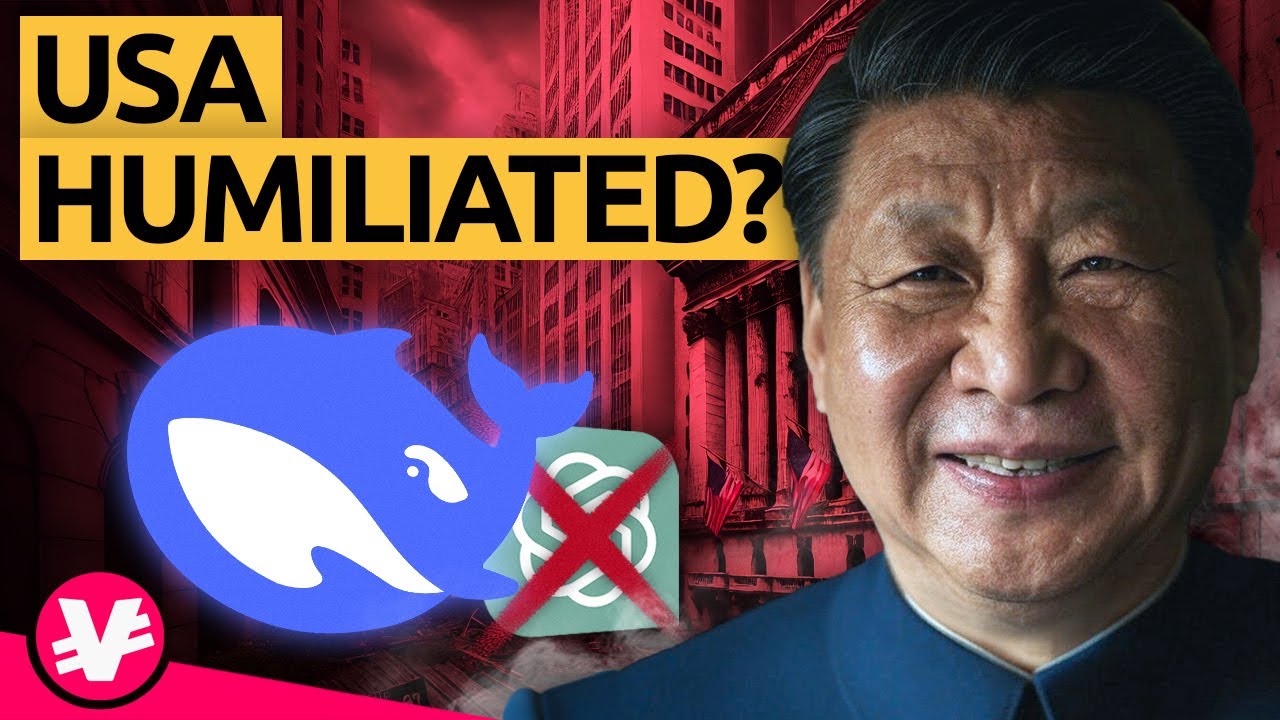
DeepSeek: The AI everyone is talking about...

Germany: Migration reform package
Trump needs to avoid debt Collapse

The Roman Empire and its downfall?
Argentina, Milei and the US dollar?
Is this Europe's plan for China?
Donald J. Trump: America is back

Meta's announcements and digital services?

Hungary: China's CATL battery factory
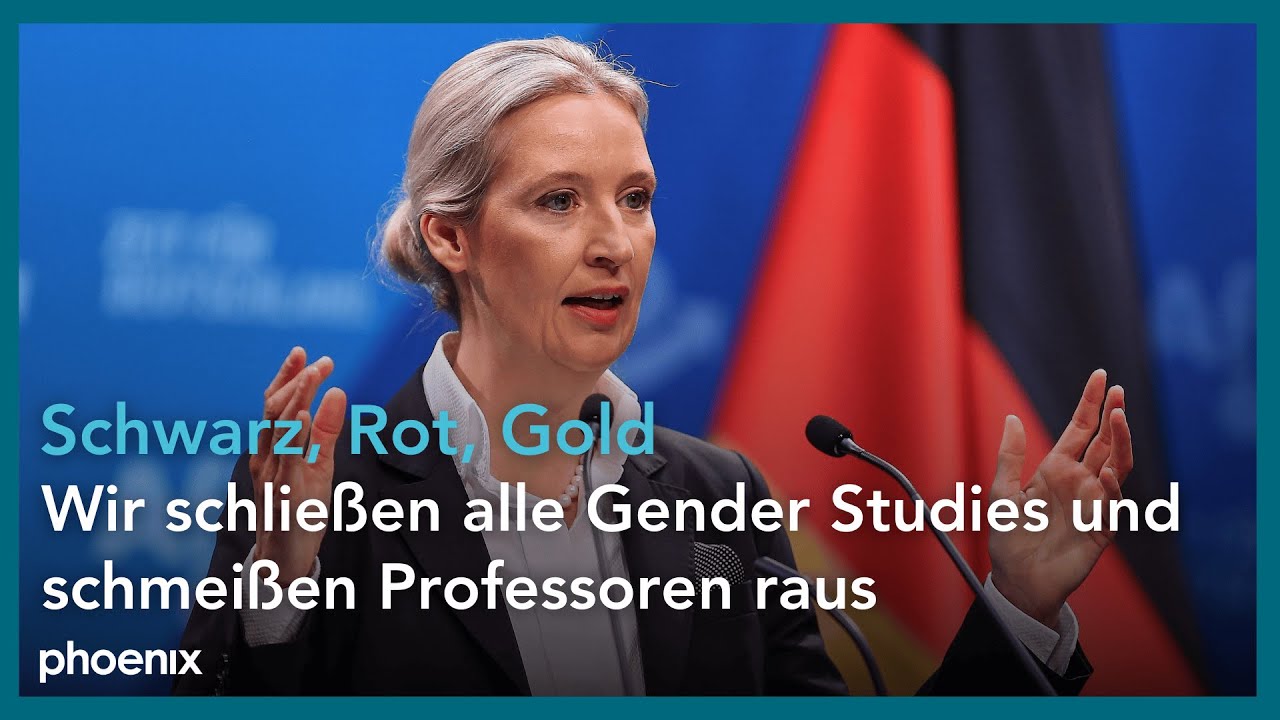
Alice Weidel: AfD Chancellor Candidate 2025