-
 Coe hails IOC gender testing decision
-
McInnes wants Tynecastle in 'full glory' for Hearts title charge

-
 McFarlane says troubled Chelsea still attractive to potential managers
-
Man Utd boss Carrick relishes 'special' Liverpool rivalry

-
 Baguettes take centre stage on France's Labour Day
-
Spurs must banish 'loser' mentality despite injury woes, says De Zerbi

-
 Arsenal must manage emotions of title race says Arteta
-
Nepal temple celebrates return of stolen Buddha statue

-
 US Fed official says rate hikes may be needed if inflation surges
-
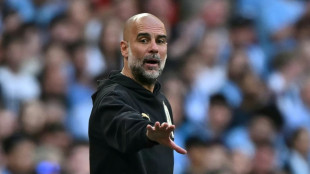
Fixture pile-up no excuse for Man City in title race: Guardiola
-
 Iran offers new proposal amid stalled US peace talks
-
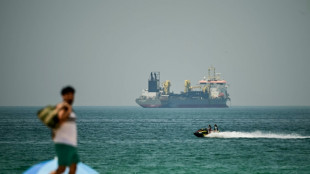
Gulf countries' plans to bypass Hormuz still far off, experts warn
-
 Luis Enrique says 'unique' PSG-Bayern first leg could have gone either way
-
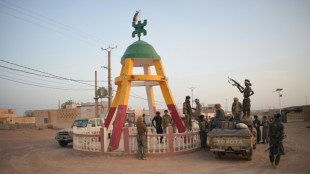
Rebels take key military camp in Mali's north
-
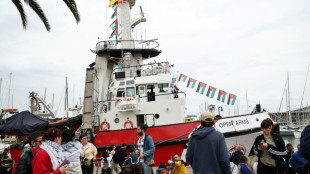
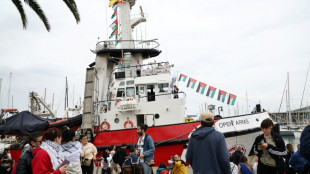 Activists on Gaza aid flotilla seized by Israeli forces disembark in Crete
-
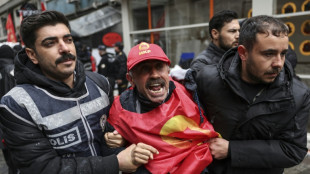
Turkish police fire tear gas, arrest hundreds at Istanbul May Day rallies
-
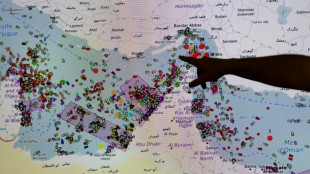 French hub monitors Hormuz tensions from afar
-
Flick happy Raphinha back for Barca with title in sight

-
 UN troubled by rejected appeal of Cambodian opposition leader
-
Activists on Gaza aid flotilla detained by Israel disembark in Crete
-
 Suspect appears in UK court charged with attacking two Jewish men
-
Oil steady after wild swing, stocks diverge in thin trading

-
 Lufthansa says searching for Oscar lost after US airport security row
-
Howe says Saudi backers are fully behind Newcastle

-
 Chinese swimmer Sun Yang reports cyberbullying to police
-
Salah 'deserves big send-off', says Liverpool boss Slot

-
 UK police charge man with stabbing attack on two Jewish Londoners
-
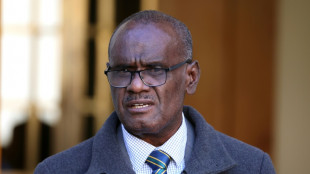
Solomon Islands leader loses court appeal, must face no confidence vote
-
 Former world skating champion Uno joins pro eSports team
-
Japan baseball umpire hit by bat still unconscious two weeks on

-
 Nakatani says won't be intimidated in sold-out Inoue title clash
-
T-Wolves eliminate Nuggets as Knicks demolish Hawks in NBA playoffs

-
 Timberwolves eliminate Jokic's Nuggets from NBA playoffs
-
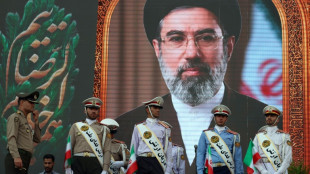
Iran activates air defences as Trump faces congressional deadline
-
 Arsenal seek to ramp up heat on Man City in title race
-
PSG closing in on another French title before Bayern second leg

-
 Espanyol must stop rot against Real Madrid as Barca eye title
-
Leipzig can book return to Champions League as Bundesliga top-four rivals meet

-
 Injuries add to Bath's challenge for Champions Cup semi in Bordeaux
-
Karius getting 'back to the top' with promotion-chasing Schalke

-
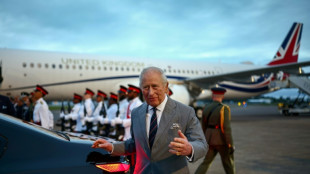 King Charles arrives in Bermuda after whirlwind US visit
-
Clashes erupt in Australian town over death of Indigenous girl

-
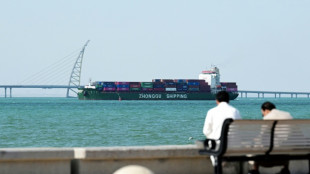 Iran war redraws sea routes with Africa as the pivot
-
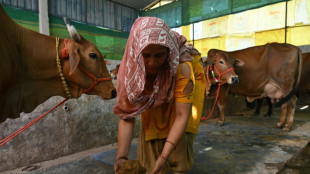
India's cows offer biogas alternative to Mideast energy crunch
-
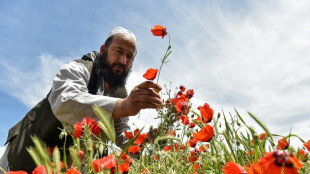 Afghans celebrate spring in bright red poppy fields
-
Finland's 'Flamethrower' and 4 other Eurovision favourites

-
 Crude edges up after wild swing, stocks track Wall St rally
-
Eurovision: 70 years of geopolitics, patriotism, music and glitter

-
 Knicks demolish Hawks to advance in NBA playoffs
-
Blockbuster EU-Mercosur trade deal enters into force
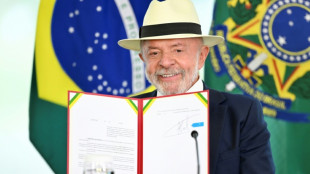
Wealth that Brazil is not utilizing!
Brazil, a nation endowed with staggering natural riches, stands as one of the world’s great paradoxes: a land of immense wealth that it struggles to harness effectively. From the sprawling Amazon rainforest to vast mineral deposits and a coastline teeming with potential, the country possesses resources that could propel it to economic superpower status. Yet, persistent challenges—mismanagement, environmental degradation, and entrenched inequality—continue to stymie its ability to translate this bounty into sustainable prosperity. As global demand for green energy and rare minerals surges, Brazil’s untapped potential remains both a tantalising opportunity and a frustrating enigma.
A Treasure Trove of Resources:
Few nations rival Brazil’s natural endowment. The Amazon, covering nearly 60% of the country, is not only the planet’s largest carbon sink but also a repository of biodiversity, with untold species that could yield breakthroughs in medicine and agriculture. Beneath its soil lie some of the world’s richest reserves of iron ore, bauxite, and niobium—a metal critical for aerospace and electronics, of which Brazil supplies over 90% of global demand. Offshore, the pre-salt oil fields, discovered in 2006, hold an estimated 50 billion barrels, positioning Brazil as a top-tier petroleum producer. Add to this fertile lands that make it an agricultural giant—exporting soy, beef, and coffee—and the scale of its wealth becomes clear.
This abundance is no secret. In 2024, Brazil’s exports reached $330 billion, driven by commodities like iron ore ($47 billion) and crude oil ($39 billion), according to government data. Yet, these figures belie a deeper truth: the nation reaps only a fraction of the value its resources could command if harnessed strategically.
The Curse of Mismanagement:
Brazil’s failure to capitalise fully on its wealth is rooted in a litany of self-inflicted wounds. Corruption scandals, such as the Lava Jato (Car Wash) investigation, have siphoned billions from state coffers, notably from Petrobras, the national oil company. Infrastructure woes compound the problem: crumbling roads and inadequate ports inflate transport costs, rendering exports less competitive. A 2024 World Bank report estimated that logistical inefficiencies cost Brazil up to 5% of its GDP annually—roughly $100 billion.
The Amazon exemplifies this squandered potential. While its preservation is vital for global climate goals, illegal logging and mining—often abetted by lax enforcement—devastated 11,088 square kilometres in 2023 alone, per Brazil’s National Institute for Space Research. Rather than leveraging its forests for carbon credits or sustainable bio-industries, Brazil loses both ecological and economic ground. President Luiz Inácio Lula da Silva, re-elected in 2022, pledged to halt deforestation by 2030, yet progress remains sluggish, hampered by political resistance and budget constraints.
Missed Opportunities in the Green Boom:
As the world races towards net-zero emissions, Brazil’s resources align uncannily with global needs. Lithium and rare earth elements, essential for batteries and renewable technologies, abound in states like Minas Gerais, yet extraction lags behind leaders like Australia and China due to regulatory hurdles and underinvestment. The International Energy Agency projects demand for lithium to rise tenfold by 2040, yet Brazil’s output remains a trickle—less than 1% of the global total in 2024.
Hydropower, which supplies 60% of Brazil’s electricity, and untapped wind and solar potential could make it a renewable energy titan. The northeast’s windy coastlines boast some of the world’s highest capacity factors for wind farms, yet bureaucratic delays and a creaking grid deter investors. A 2024 study by the Brazilian Wind Energy Association estimated that tripling wind capacity by 2030 could create 200,000 jobs and add $20 billion to GDP—but only with bold reforms.
Inequality and Economic Stagnation:
Wealth in Brazil flows unevenly. The richest 1% control nearly 50% of national income, while 33 million people faced hunger in 2023, according to Oxfam. Commodity booms enrich agribusiness elites and mining firms, yet little trickles down to the broader population. Education, critical for a knowledge-based economy, languishes: Brazil ranks 60th in the OECD’s PISA assessments, hobbling its ability to innovate beyond raw resource extraction.
Economic growth has flatlined, averaging just 0.9% annually from 2011 to 2023. The real, Brazil’s currency, weakened by 15% against the dollar in 2024, reflecting investor unease over fiscal deficits and political gridlock. While competitors like Indonesia diversify into manufacturing, Brazil remains tethered to primary goods, exporting iron ore but importing steel—a failure to climb the value chain.
A Path Forward?
Solutions exist, but require political will. Streamlining bureaucracy could unlock billions in foreign investment, as seen with the $4 billion Vale mining project approved in 2024 after years of delays. Tax incentives for sustainable industries—such as eco-tourism or bio-pharmaceuticals—could tap the Amazon’s potential without razing it. Education reform, paired with vocational training, might equip Brazilians to process their own resources, rather than shipping them abroad raw.
Lula’s administration has hinted at such ambitions, unveiling a $350 million green transition fund in January 2025. Yet, with Congress fractured and state governments at odds, execution falters. On X, commentators lament “a nation asleep on a goldmine,” a sentiment echoed by economists who warn that without reform, Brazil risks becoming a resource-rich relic in a fast-evolving world.
Conclusion:
Brazil’s formidable wealth is both a blessing and a burden. Its resources could fuel a prosperous, sustainable future, yet decades of mismanagement and missed chances have left it punching below its weight. As global demand shifts towards green technologies, the window to harness this potential narrows. Whether Brazil awakens to its own richness—or remains mired in inertia—will define its place in the 21st century.
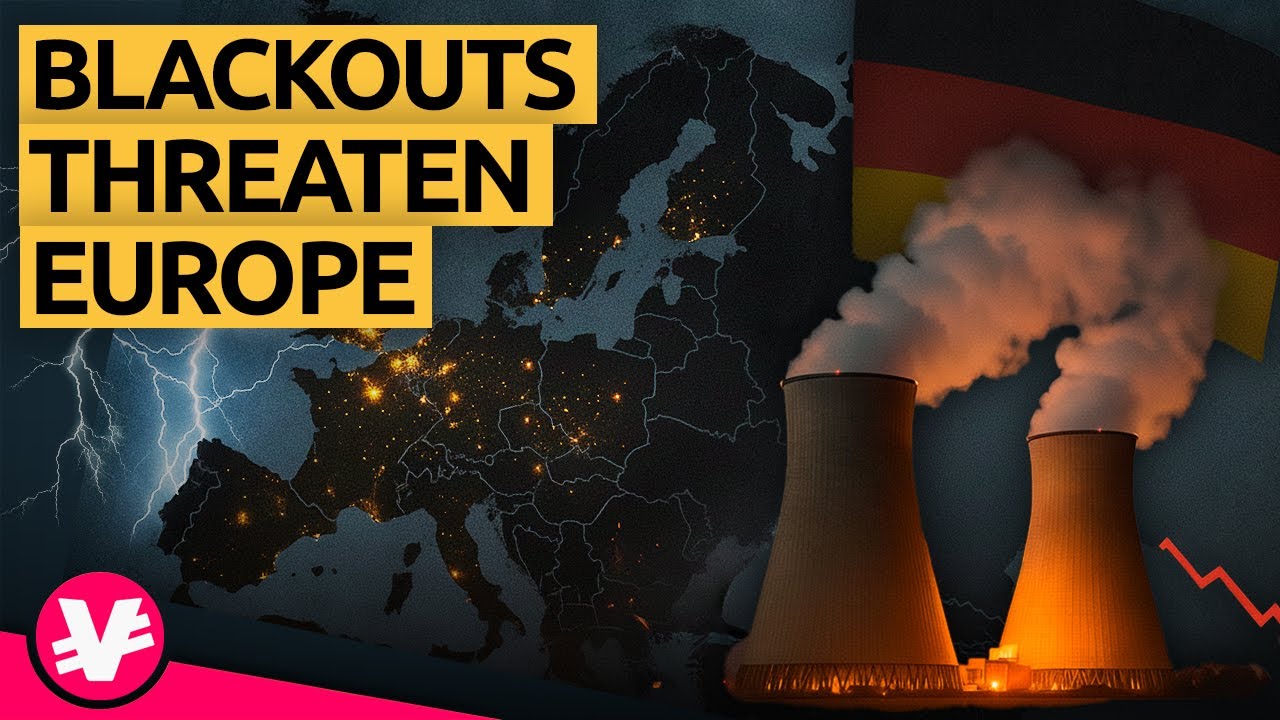
Europe’s power shock
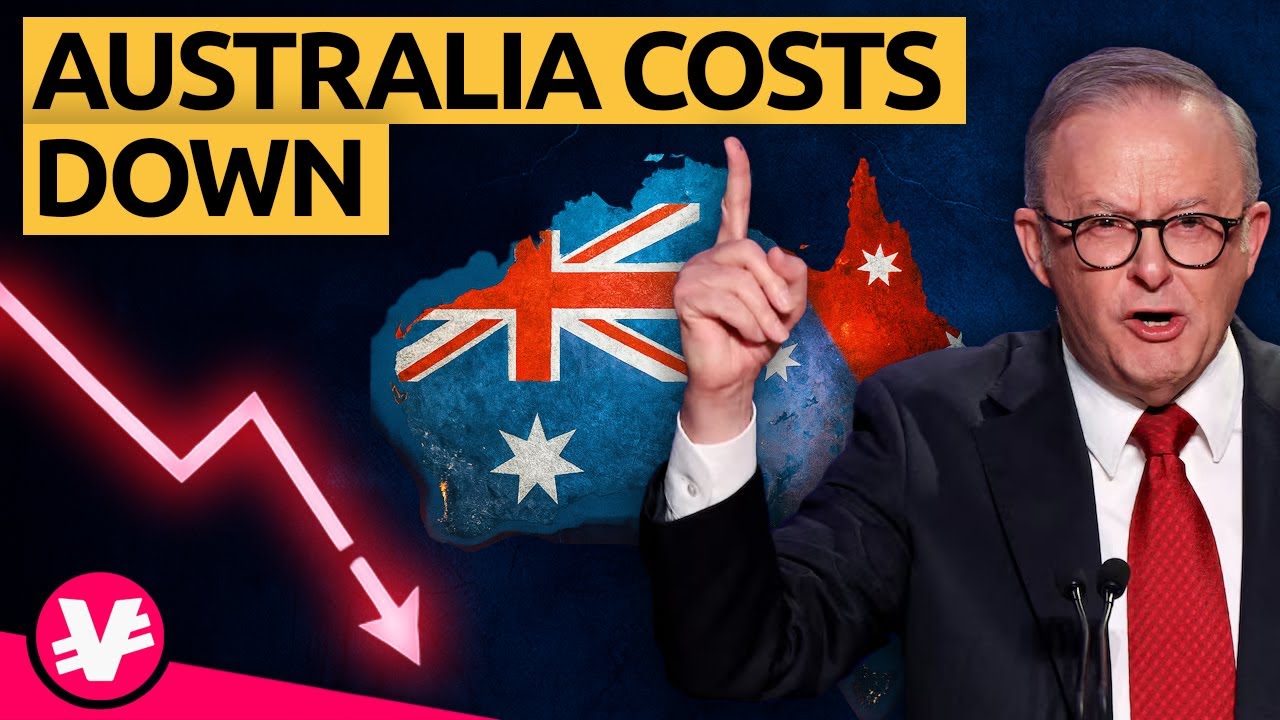
Australian economy Crisis

Israel’s Haredi Challenge

Miracle in Germany: VW soars
Pension crisis engulfs France
A new vision for Japan

The Fall of South Korea?

Gaza on the cusp of civil war
Israel: Economy on the edge
Why Russia can’t end war

Rare Earth Standoff