-
 Trump faces impasse over Iran war
-
US Fed expected to hold rates steady as Iran war's shockwaves ripple
-
 Former Australian Test wicketkeeper Haddin to coach NSW
-
China coach says team on right track despite Asian Cup heartache

-
 Oscars audience drops, viewing figures show
-
Resilient Australia 'need to be better' in Women's Asian Cup final

-
 Gio Reyna picked for US squad as Pochettino says World Cup roster still 'open'
-
Colombia, Ecuador leaders clash over bomb dropped near border

-
 PSG, Real Madrid and Arsenal march into Champions League last eight
-
'Incomplete' Man City not what they once were, says Guardiola
-
 US judge orders Trump admin to bring VOA employees back to work
-
White House pressure on Cuba mounts as island fights power cut
-
 Arteta hails 'magical' Eze after Arsenal star sinks Leverkusen
-
Senegal stripped of AFCON title, Morocco declared champions

-
 Nvidia says restarting production of China-bound chips
-
Panic as Israel army urges residents to evacuate south Lebanon's Tyre area

-
 Real Madrid 'change' under Champions League spotlight: Vinicius
-
Real Madrid dump Man City out of Champions League once more

-
 Clinical PSG bury Chelsea to reach Champions League quarter-finals
-
Eze rocket fires Arsenal into Champions League quarters

-
 US airlines still see strong demand as jet fuel worries loom
-
Milei blasts Iran on anniversary of attack on Israeli embassy

-
 USS Gerald R. Ford: the world's biggest aircraft carrier
-
US, European stocks rise despite latest jump in oil prices
-
 Sporting Lisbon thrash Bodo/Glimt to reach Champions League quarters
-
Irish PM pushes Trump on Iran -- politely
-
 Arizona charges prediction market Kalshi with illegal election betting
-
Leftist New York mayor under pressure on Irish unity question

-
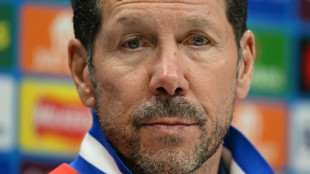 Atletico boss Simeone defends Spurs star Romero
-
Iran vets friendly ships for Hormuz passage: trackers

-
 Iran women's football team arrive in Turkey on way home
-
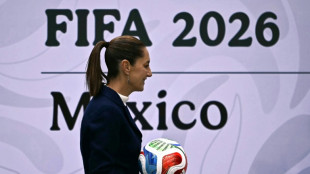
Mexico prepared to host Iran World Cup games, says president
-
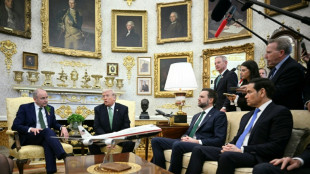 Trump blasts 'foolish' NATO on Iran, says US needs no help
-
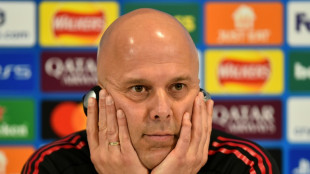
Slot vows to win back support of frustrated Liverpool fans
-
 In Ukraine, Sean Penn gifted Oscar made from train carriage hit by Russia
-
Ships in Gulf risk shortages on board, industry warns
-
 White House piles pressure on Cuba as island fights power cut
-
Newcastle must grow under Camp Nou pressure: Howe
-
 Trump says to make delayed China trip in 'five or six weeks'
-
Kompany warns of complacency as injury-hit Bayern host Atalanta

-
 SAS cancels flights after fuel prices surge
-
New particle discovered by Large Hadron Collider

-
 Lebanon says Israeli strikes kill soldiers, as shelters overflow
-
Van de Ven insists it's 'nonsense' to say players don't care about Spurs' plight

-
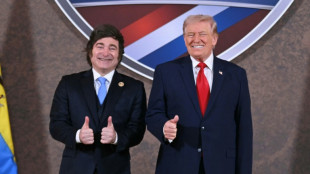 Argentina withdraws from World Health Organization
-
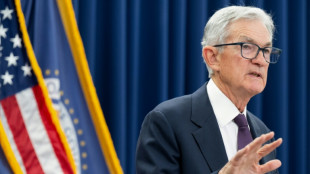
US Fed expected to keep rates steady as Iran war impact looms
-
 Two men in Kenyan court for ant-smuggling
-
Cuba scrambles to restore power as Trump threatens takeover

-
 War fuels fears of new oil crisis
-
Kerr 'frustrated' at six-figure sum owed to him by Johnson's failed Grand Slam Track

Next Chancellor of Germany and Trump
Germany’s political landscape shifted decisively with the federal election on 23 February 2025, propelling Friedrich Merz, leader of the Christian Democratic Union (CDU), into the position of the nation’s next chancellor. As he prepares to form a coalition government, likely with the Social Democratic Party (SPD), Merz has signalled a bold foreign policy stance: a willingness to confront United States President Donald Trump, particularly over the contentious issue of Ukraine. This emerging transatlantic tension promises to redefine Germany’s role on the global stage.
A new german Leader with a clear Vision?
Merz’s victory, securing approximately 28.5% of the vote for the CDU/CSU alliance, marks a return to conservative leadership following years of coalition governance under Angela Merkel and, more recently, Olaf Scholz. With the Alternative für Deutschland (AfD) gaining 20% and the SPD trailing at 16.5%, Merz faces the task of uniting a fragmented Bundestag. Preliminary estimates suggest the CDU/CSU will hold around 179 seats, necessitating a partnership with the SPD (104 seats) and possibly the Greens (73 seats) to achieve the 316-seat majority required.
The chancellor-in-waiting has wasted no time in outlining his priorities. While congratulating Trump on his inauguration on 20 January 2025 with a handwritten letter—a gesture of diplomatic courtesy—Merz has made it clear that he will not shy away from challenging the American president where their views diverge.
The Ukraine Flashpoint:
At the heart of this anticipated confrontation lies Ukraine. Merz has been an outspoken advocate for robust European support for Kyiv, a position he underscored during a visit to President Volodymyr Zelensky in May 2022. His criticism of Trump’s rhetoric, which he has described as echoing Russian narratives, reveals a stark divide. In a recent interview Merz expressed dismay at Trump’s apparent indifference to European security concerns, labelling it a “classic case of blaming the victim.” This stance contrasts sharply with Trump’s reported inclination to pursue rapprochement with Russia, a policy that has alarmed many in Europe.
Merz’s commitment to Ukraine is not merely rhetorical. He has pledged to bolster Germany’s defence spending and has floated the idea of a new European defence alliance, potentially as an alternative to NATO, should transatlantic cooperation falter under Trump’s leadership. Such proposals reflect a broader ambition to enhance Europe’s strategic autonomy—a move that could strain relations with Washington.
Balancing Confrontation with Cooperation:
Despite his readiness to challenge Trump, Merz is not advocating for a complete rupture. In an interview last November, he emphasised the importance of “deals” with the United States, particularly in trade and economic matters, that could benefit both sides. This pragmatic streak suggests that while Merz may clash with Trump over security policy, he seeks to maintain a functional relationship in other domains. Germany, as Europe’s economic powerhouse, cannot afford to alienate its largest transatlantic partner entirely.
Implications for Transatlantic Ties:
Merz’s leadership arrives at a pivotal moment. Trump’s return to the White House has rekindled debates about the reliability of American commitments to Europe, especially within NATO. By positioning Germany as a counterweight to Trump’s policies, Merz could catalyse a shift towards a more assertive European Union—one less dependent on U.S. direction. His plans to increase defence collaboration among EU nations signal a long-term vision that may outlast transatlantic spats.
Yet, this approach carries risks. A public confrontation with Trump could exacerbate divisions within NATO and embolden critics of European unity, such as the AfD, which has capitalised on anti-establishment sentiment. Merz must navigate these domestic and international pressures with care.
Conclusion:
As Friedrich Merz prepares to assume the chancellorship, his intention to confront Donald Trump over Ukraine heralds a new chapter in German foreign policy. Rooted in a commitment to European security and independence, his stance promises to test the resilience of transatlantic relations. Whether this leads to a lasting realignment or a pragmatic compromise remains to be seen, but one thing is certain: Germany’s next chancellor is poised to make his mark on the world stage.
A new german Leader with a clear Vision?
Merz’s victory, securing approximately 28.5% of the vote for the CDU/CSU alliance, marks a return to conservative leadership following years of coalition governance under Angela Merkel and, more recently, Olaf Scholz. With the Alternative für Deutschland (AfD) gaining 20% and the SPD trailing at 16.5%, Merz faces the task of uniting a fragmented Bundestag. Preliminary estimates suggest the CDU/CSU will hold around 179 seats, necessitating a partnership with the SPD (104 seats) and possibly the Greens (73 seats) to achieve the 316-seat majority required.
The chancellor-in-waiting has wasted no time in outlining his priorities. While congratulating Trump on his inauguration on 20 January 2025 with a handwritten letter—a gesture of diplomatic courtesy—Merz has made it clear that he will not shy away from challenging the American president where their views diverge.
The Ukraine Flashpoint:
At the heart of this anticipated confrontation lies Ukraine. Merz has been an outspoken advocate for robust European support for Kyiv, a position he underscored during a visit to President Volodymyr Zelensky in May 2022. His criticism of Trump’s rhetoric, which he has described as echoing Russian narratives, reveals a stark divide. In a recent interview Merz expressed dismay at Trump’s apparent indifference to European security concerns, labelling it a “classic case of blaming the victim.” This stance contrasts sharply with Trump’s reported inclination to pursue rapprochement with Russia, a policy that has alarmed many in Europe.
Merz’s commitment to Ukraine is not merely rhetorical. He has pledged to bolster Germany’s defence spending and has floated the idea of a new European defence alliance, potentially as an alternative to NATO, should transatlantic cooperation falter under Trump’s leadership. Such proposals reflect a broader ambition to enhance Europe’s strategic autonomy—a move that could strain relations with Washington.
Balancing Confrontation with Cooperation:
Despite his readiness to challenge Trump, Merz is not advocating for a complete rupture. In an interview last November, he emphasised the importance of “deals” with the United States, particularly in trade and economic matters, that could benefit both sides. This pragmatic streak suggests that while Merz may clash with Trump over security policy, he seeks to maintain a functional relationship in other domains. Germany, as Europe’s economic powerhouse, cannot afford to alienate its largest transatlantic partner entirely.
Implications for Transatlantic Ties:
Merz’s leadership arrives at a pivotal moment. Trump’s return to the White House has rekindled debates about the reliability of American commitments to Europe, especially within NATO. By positioning Germany as a counterweight to Trump’s policies, Merz could catalyse a shift towards a more assertive European Union—one less dependent on U.S. direction. His plans to increase defence collaboration among EU nations signal a long-term vision that may outlast transatlantic spats.
Yet, this approach carries risks. A public confrontation with Trump could exacerbate divisions within NATO and embolden critics of European unity, such as the AfD, which has capitalised on anti-establishment sentiment. Merz must navigate these domestic and international pressures with care.
Conclusion:
As Friedrich Merz prepares to assume the chancellorship, his intention to confront Donald Trump over Ukraine heralds a new chapter in German foreign policy. Rooted in a commitment to European security and independence, his stance promises to test the resilience of transatlantic relations. Whether this leads to a lasting realignment or a pragmatic compromise remains to be seen, but one thing is certain: Germany’s next chancellor is poised to make his mark on the world stage.
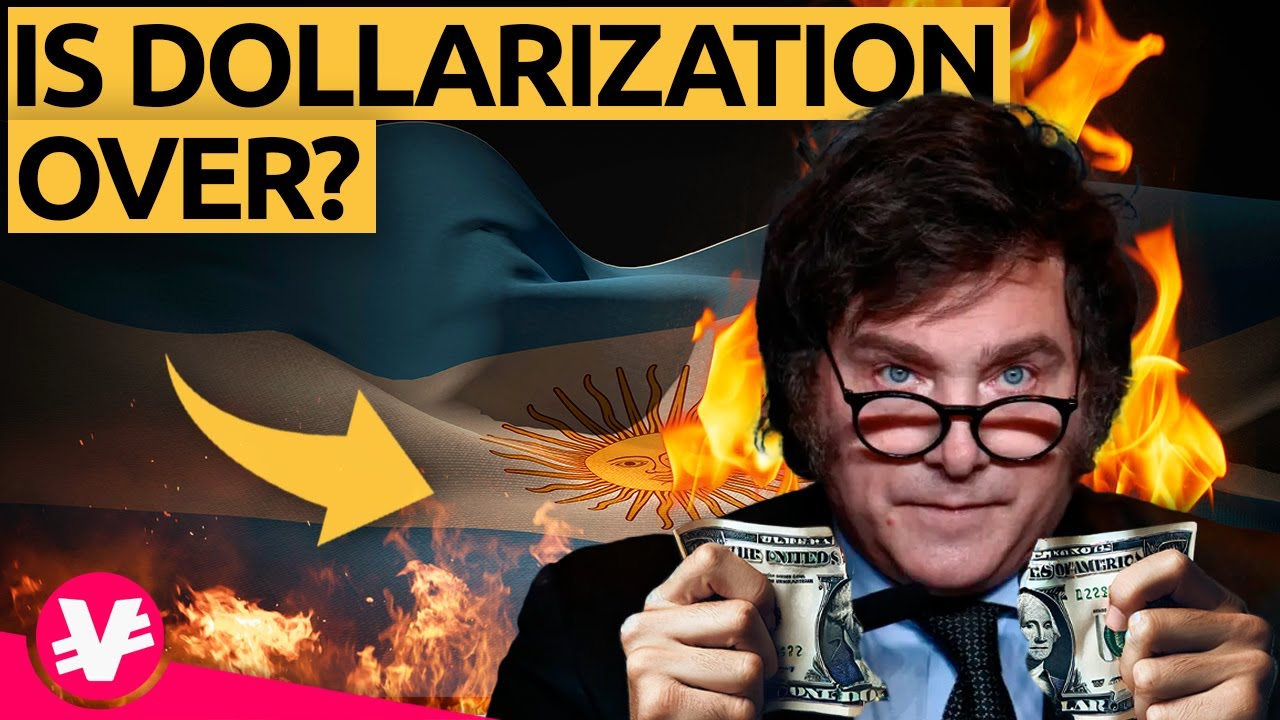
Argentina, Milei and the US dollar?
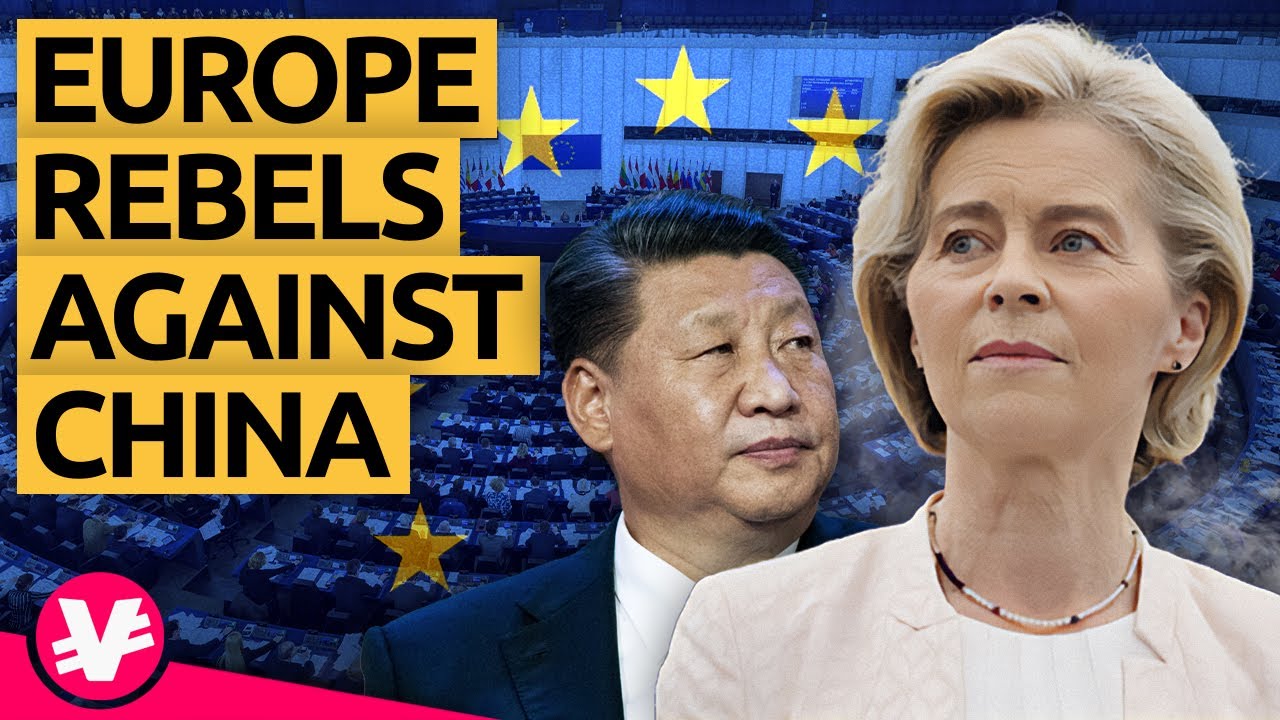
Is this Europe's plan for China?
Donald J. Trump: America is back

Meta's announcements and digital services?

Hungary: China's CATL battery factory
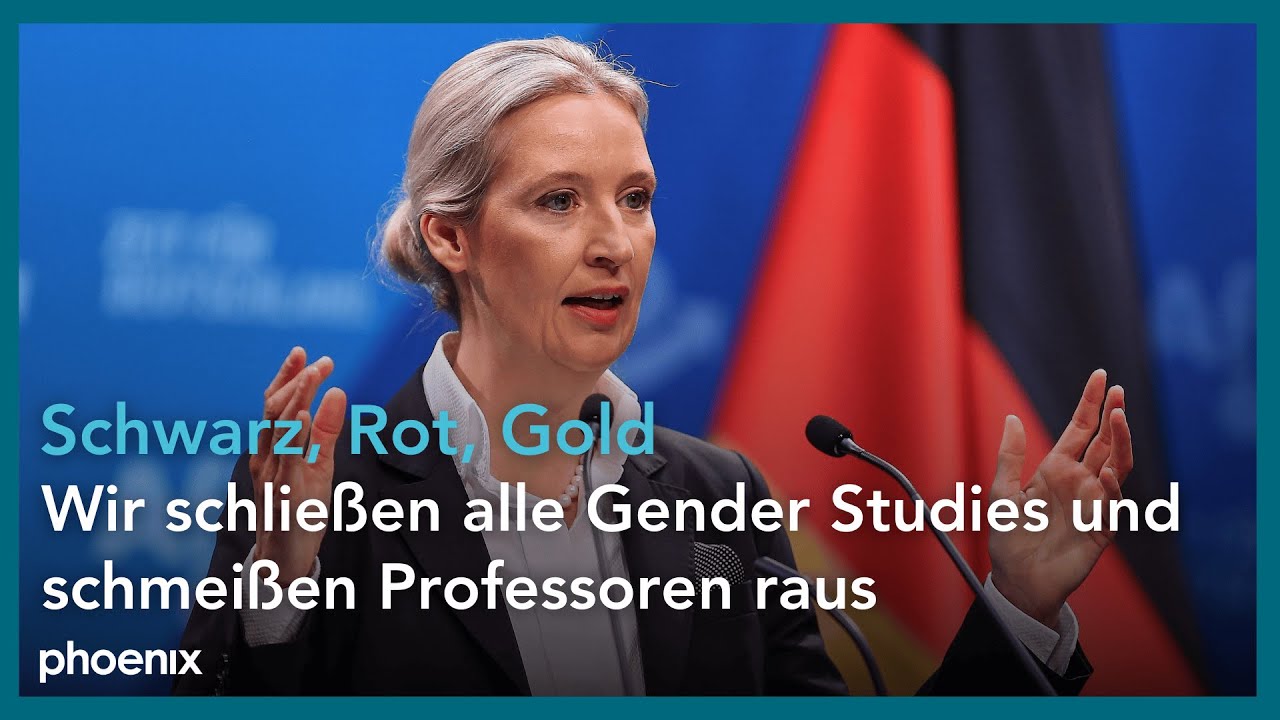
Alice Weidel: AfD Chancellor Candidate 2025
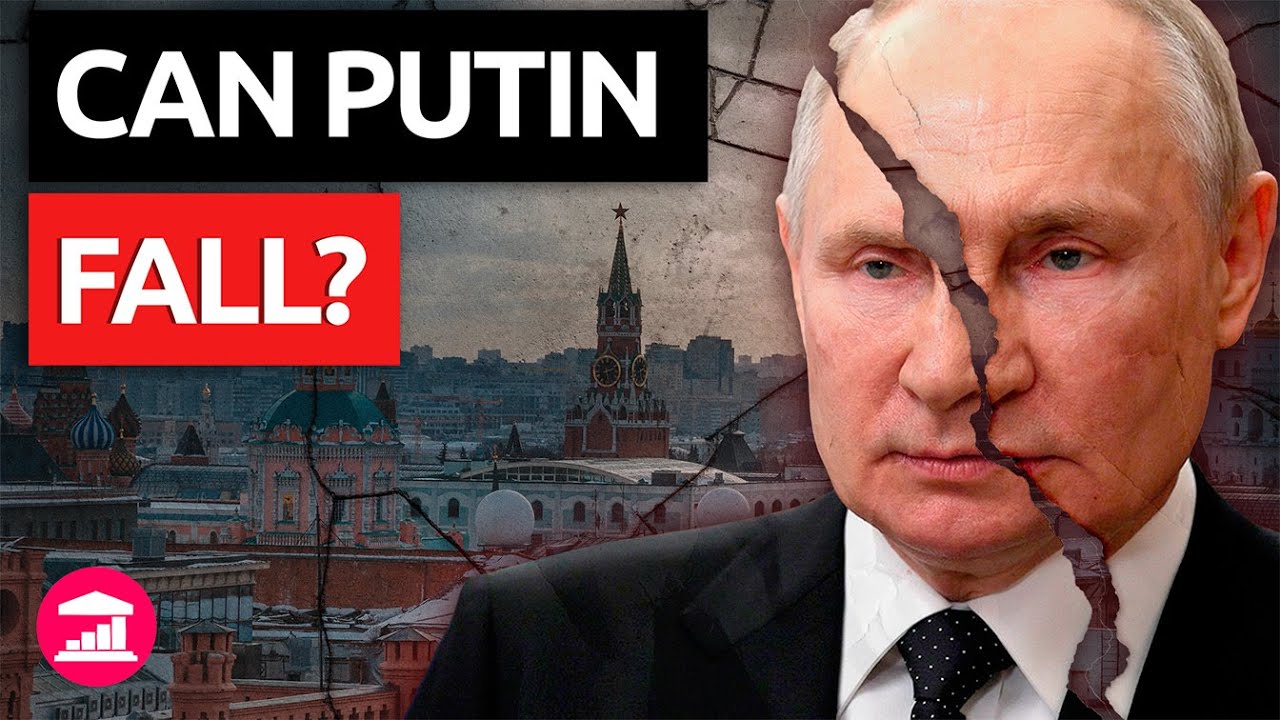
Russia: Is Putin's time nearly up?
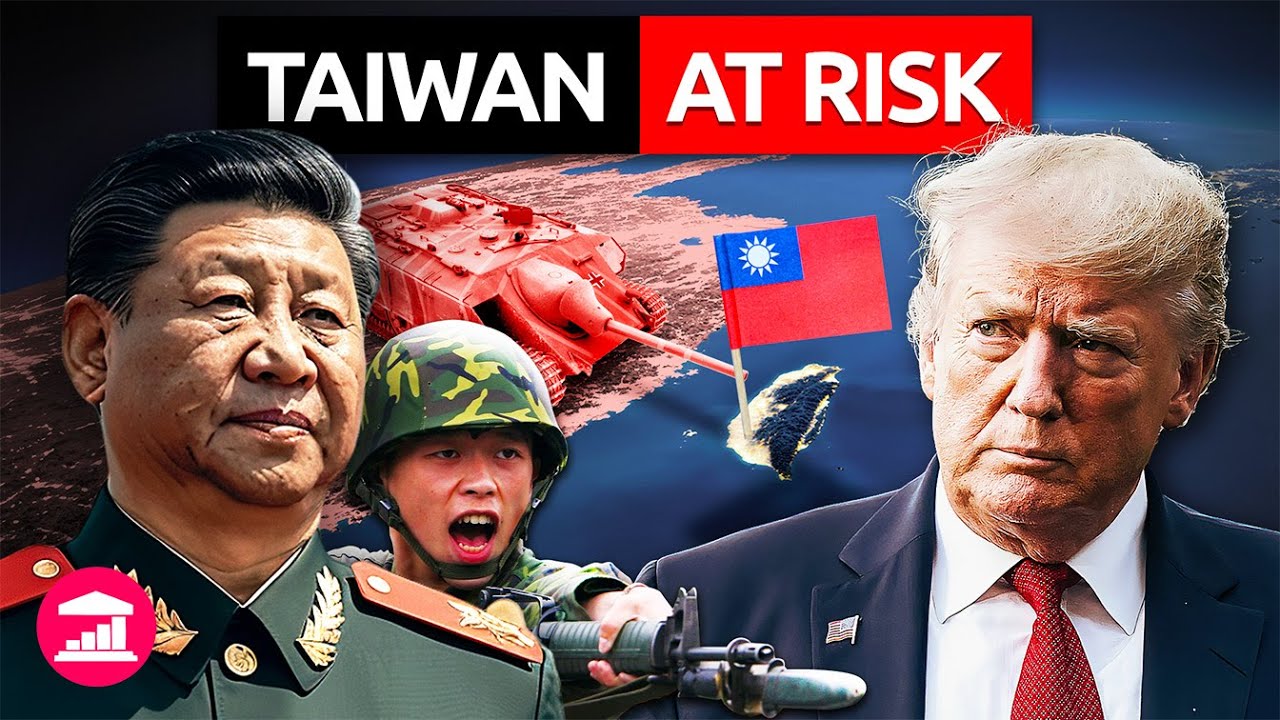
China, Trump, and the power of war?
Iran's Ayatollahs the next to Fall?
Who wins and who loses in Syria?
South Korea: Yoon Suk Yeol shocks Nation