-
 Britain, Rwanda in £100m court clash over migrant deal
-
'We will wait for each one': Ukrainians greet POWs with tears and cheers

-
 UN watchdog says projectile struck Iran nuclear power plant
-
Trump faces impasse over Iran war
-
 US Fed expected to hold rates steady as Iran war's shockwaves ripple
-
Former Australian Test wicketkeeper Haddin to coach NSW

-
 China coach says team on right track despite Asian Cup heartache
-
Oscars audience drops, viewing figures show

-
 Resilient Australia 'need to be better' in Women's Asian Cup final
-
Gio Reyna picked for US squad as Pochettino says World Cup roster still 'open'

-
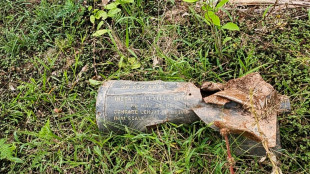 Colombia, Ecuador leaders clash over bomb dropped near border
-
PSG, Real Madrid and Arsenal march into Champions League last eight

-
 'Incomplete' Man City not what they once were, says Guardiola
-
US judge orders Trump admin to bring VOA employees back to work

-
 White House pressure on Cuba mounts as island fights power cut
-
Arteta hails 'magical' Eze after Arsenal star sinks Leverkusen

-
 Senegal stripped of AFCON title, Morocco declared champions
-
Nvidia says restarting production of China-bound chips

-
 Panic as Israel army urges residents to evacuate south Lebanon's Tyre area
-
Real Madrid 'change' under Champions League spotlight: Vinicius

-
 Real Madrid dump Man City out of Champions League once more
-
Clinical PSG bury Chelsea to reach Champions League quarter-finals

-
 Eze rocket fires Arsenal into Champions League quarters
-
US airlines still see strong demand as jet fuel worries loom

-
 Milei blasts Iran on anniversary of attack on Israeli embassy
-
USS Gerald R. Ford: the world's biggest aircraft carrier
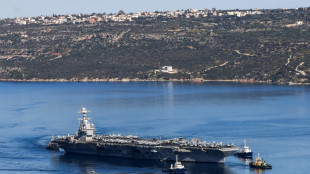
-
 US, European stocks rise despite latest jump in oil prices
-
Sporting Lisbon thrash Bodo/Glimt to reach Champions League quarters

-
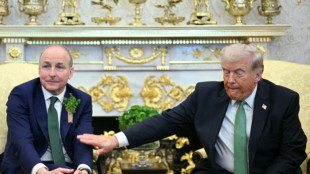 Irish PM pushes Trump on Iran -- politely
-
Arizona charges prediction market Kalshi with illegal election betting

-
 Leftist New York mayor under pressure on Irish unity question
-
Atletico boss Simeone defends Spurs star Romero

-
 Iran vets friendly ships for Hormuz passage: trackers
-
Iran women's football team arrive in Turkey on way home

-
 Mexico prepared to host Iran World Cup games, says president
-
Trump blasts 'foolish' NATO on Iran, says US needs no help
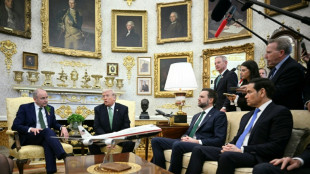
-
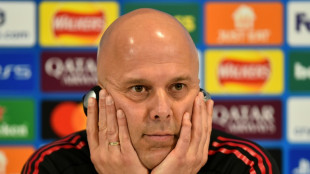 Slot vows to win back support of frustrated Liverpool fans
-
In Ukraine, Sean Penn gifted Oscar made from train carriage hit by Russia

-
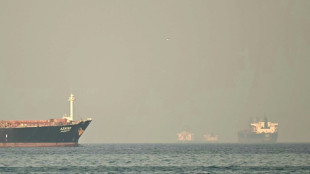 Ships in Gulf risk shortages on board, industry warns
-
White House piles pressure on Cuba as island fights power cut

-
 Newcastle must grow under Camp Nou pressure: Howe
-
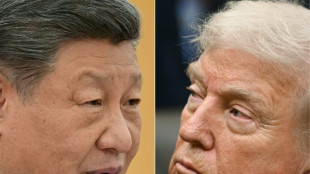
Trump says to make delayed China trip in 'five or six weeks'
-
 Kompany warns of complacency as injury-hit Bayern host Atalanta
-
SAS cancels flights after fuel prices surge

-
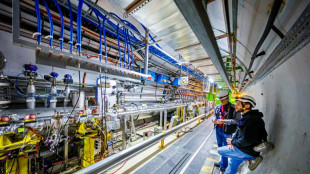 New particle discovered by Large Hadron Collider
-
Lebanon says Israeli strikes kill soldiers, as shelters overflow

-
 Van de Ven insists it's 'nonsense' to say players don't care about Spurs' plight
-
Argentina withdraws from World Health Organization

-
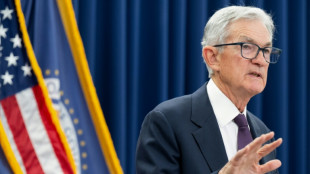 US Fed expected to keep rates steady as Iran war impact looms
-
Two men in Kenyan court for ant-smuggling

Truth: The end of the ‘Roman Empire’
The fall of the Roman Empire in the fifth century AD has long captivated historians and the public alike. For centuries, scholars have debated the precise causes of the Empire’s decline, offering myriad explanations—ranging from political corruption and economic instability to moral degeneration and barbarian invasions. Yet despite the passage of time and the wealth of research available, there remains no single, universally accepted answer to the question: why did the Roman Empire truly collapse?
A central factor often cited is political fragmentation. As the Empire grew too vast to govern effectively from one centre, Emperor Diocletian introduced the Tetrarchy—a system dividing the realm into eastern and western halves. While initially intended to provide administrative efficiency, this division ultimately paved the way for competing centres of power and weakened the unity that had long defined Roman rule. Frequent changes of leadership and civil wars further sapped the state’s coherence, undermining confidence in the imperial regime.
Economics played an equally crucial role. Burdened by expensive military campaigns to protect ever-extending frontiers, the Empire resorted to debasing its currency, provoking rampant inflation and eroding public trust. The resulting fiscal strains fuelled social unrest, as high taxes weighed heavily upon small farmers and urban dwellers alike. Coupled with declining trade routes and resource depletion, these pressures contributed to a persistent sense of crisis.
Compounding these challenges was the growing threat from beyond Rome’s borders. Germanic tribes such as the Visigoths, Vandals, and Ostrogoths gradually eroded the Western Empire’s defensive capabilities. While earlier Roman armies proved formidable, internal discord had dulled their edge, allowing external forces to breach once-impenetrable frontiers.
Modern historians emphasise that the Empire did not fall solely because of barbarian invasions, moral decay, or fiscal collapse; instead, its downfall was the outcome of a confluence of factors, each interacting with the other. The story of Rome’s fall thus serves as a stark reminder that even the mightiest of civilisations can succumb to the inexorable weight of political, economic, and social upheaval.
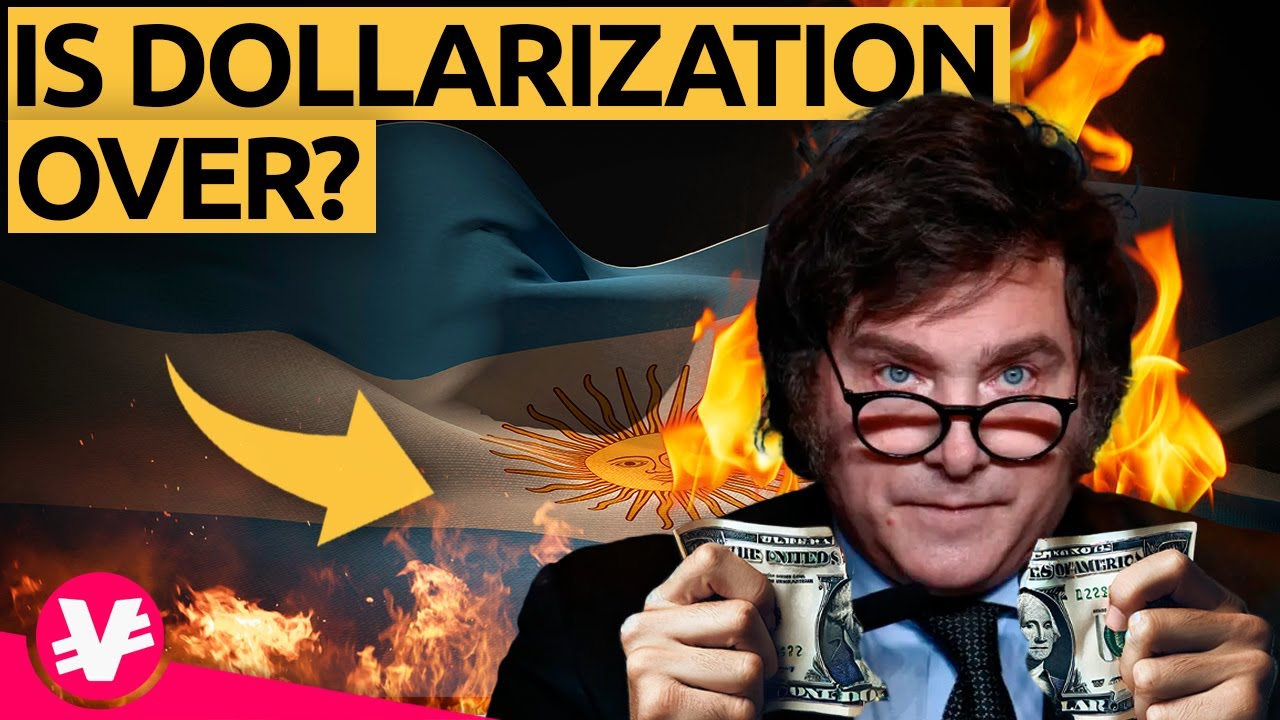
Argentina, Milei and the US dollar?
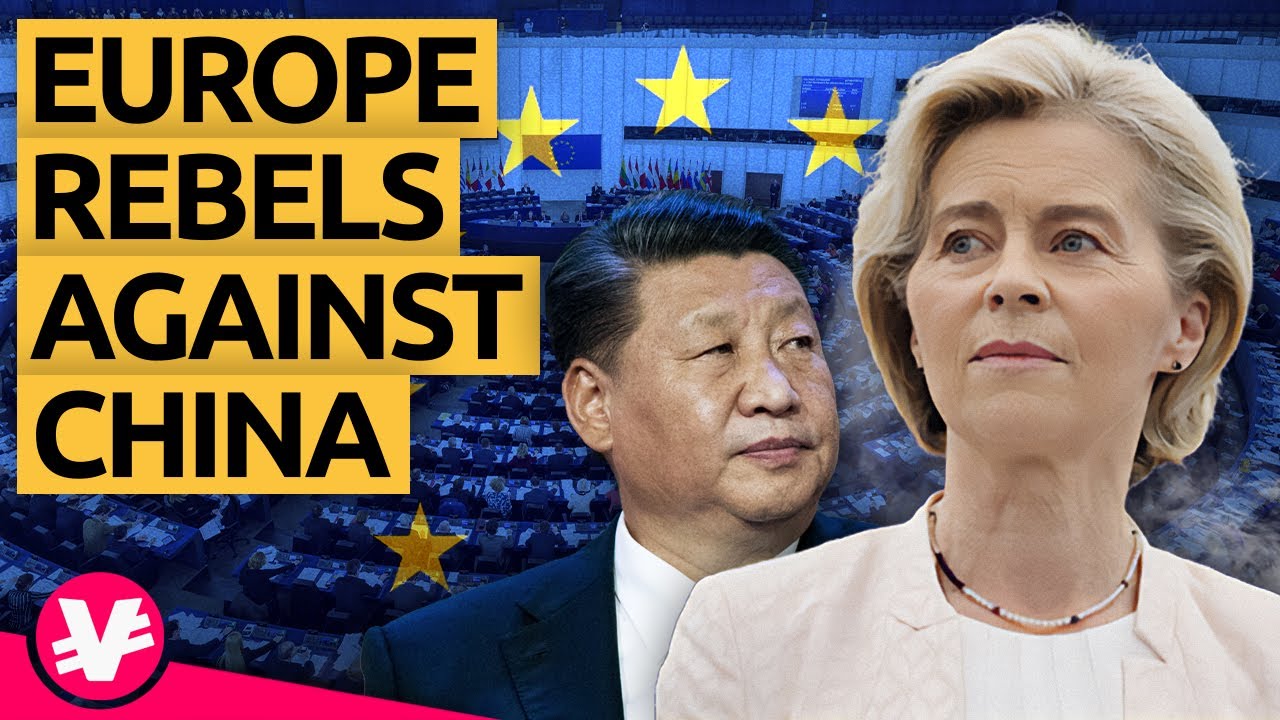
Is this Europe's plan for China?
Donald J. Trump: America is back

Meta's announcements and digital services?

Hungary: China's CATL battery factory

Alice Weidel: AfD Chancellor Candidate 2025
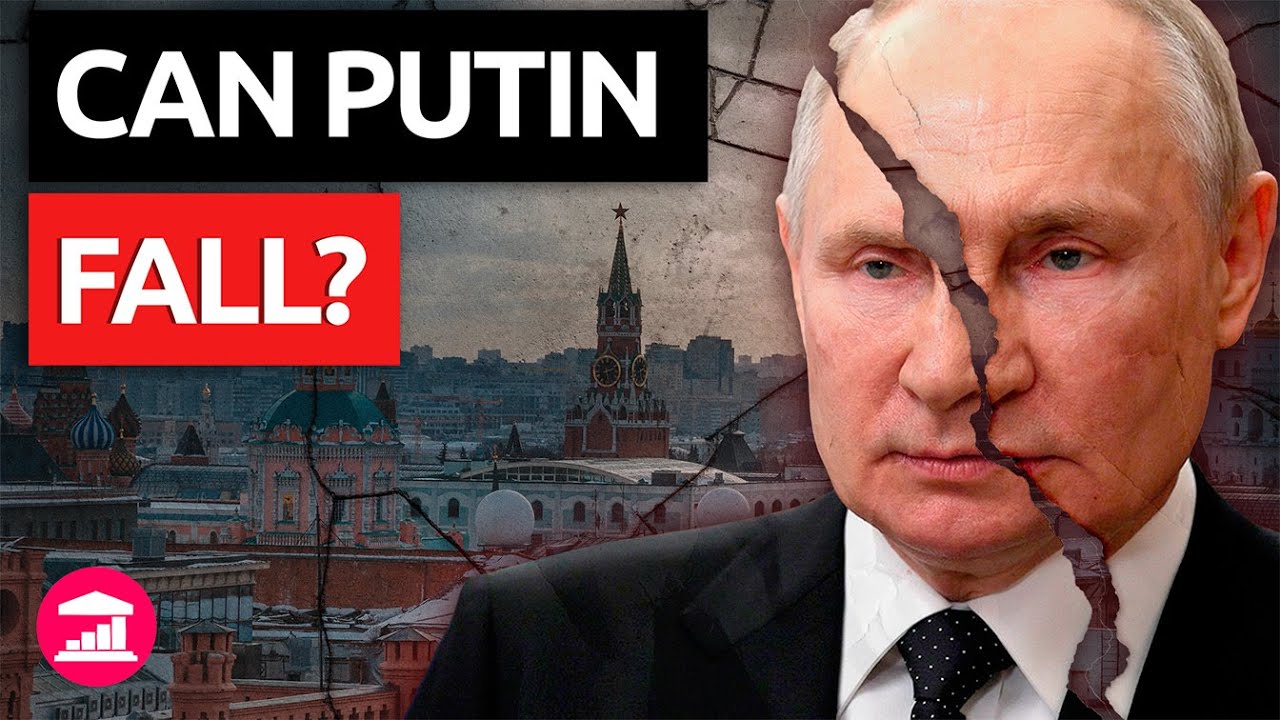
Russia: Is Putin's time nearly up?
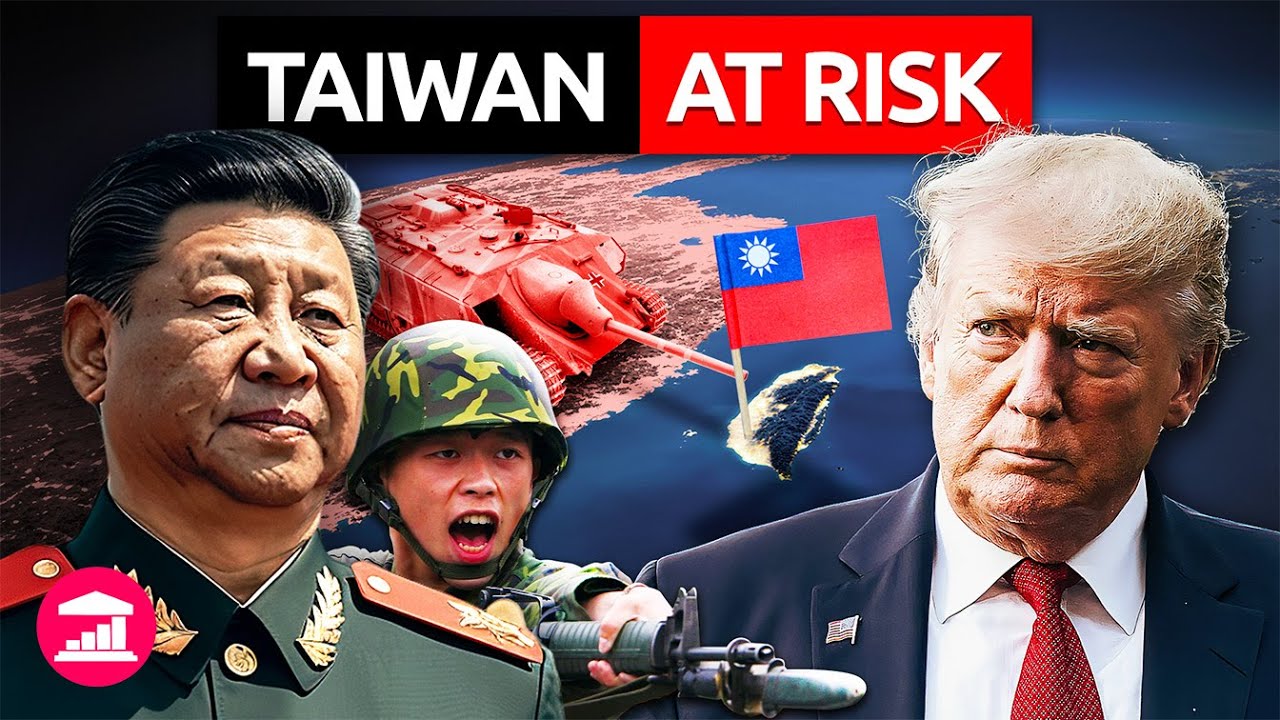
China, Trump, and the power of war?
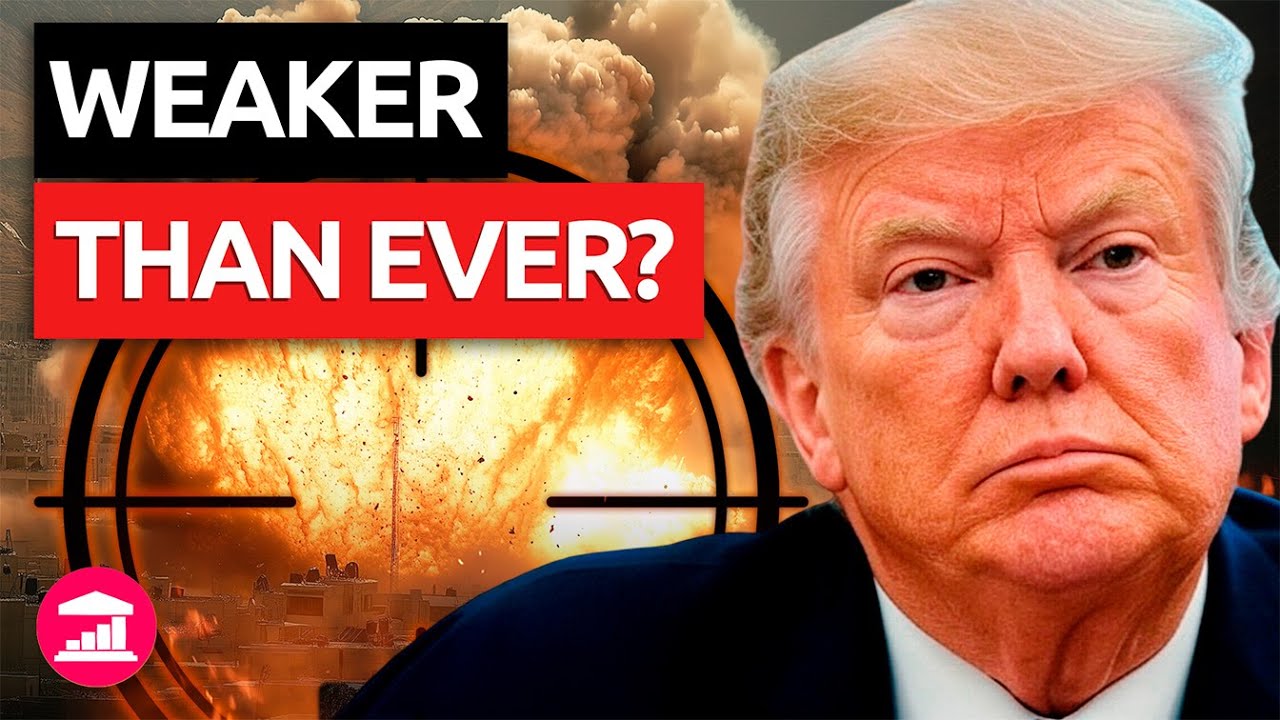
Iran's Ayatollahs the next to Fall?
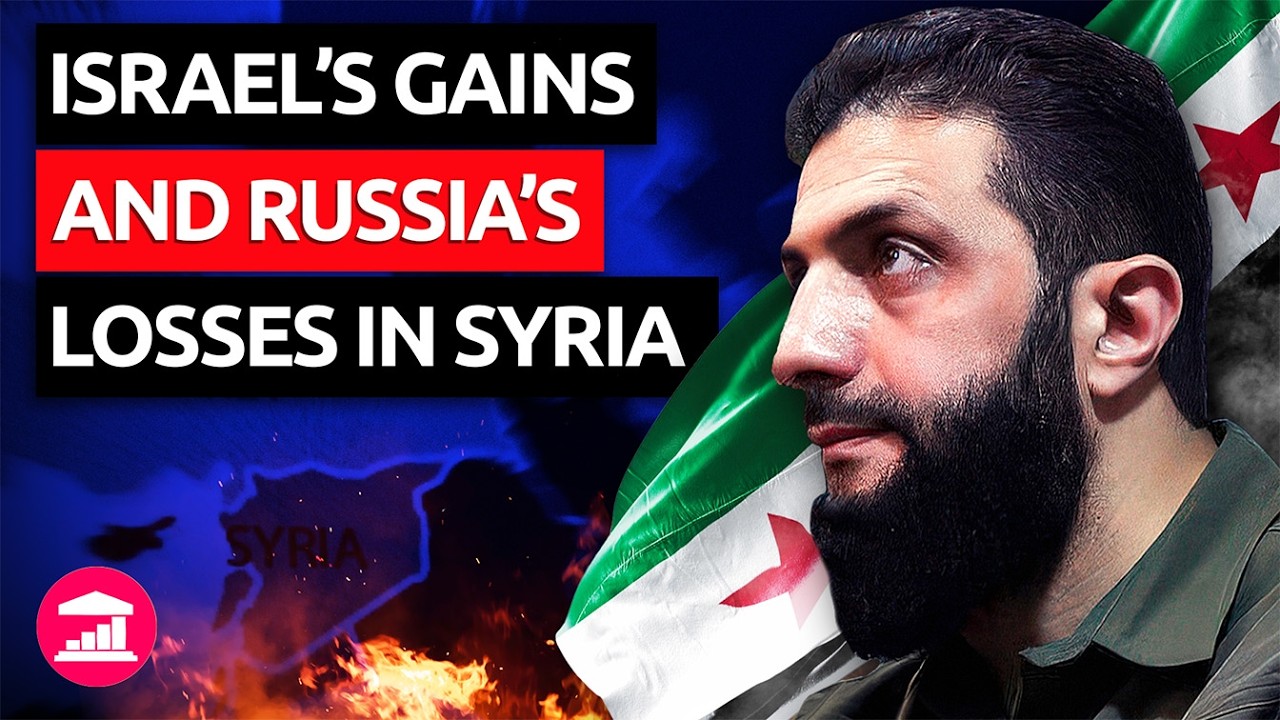
Who wins and who loses in Syria?
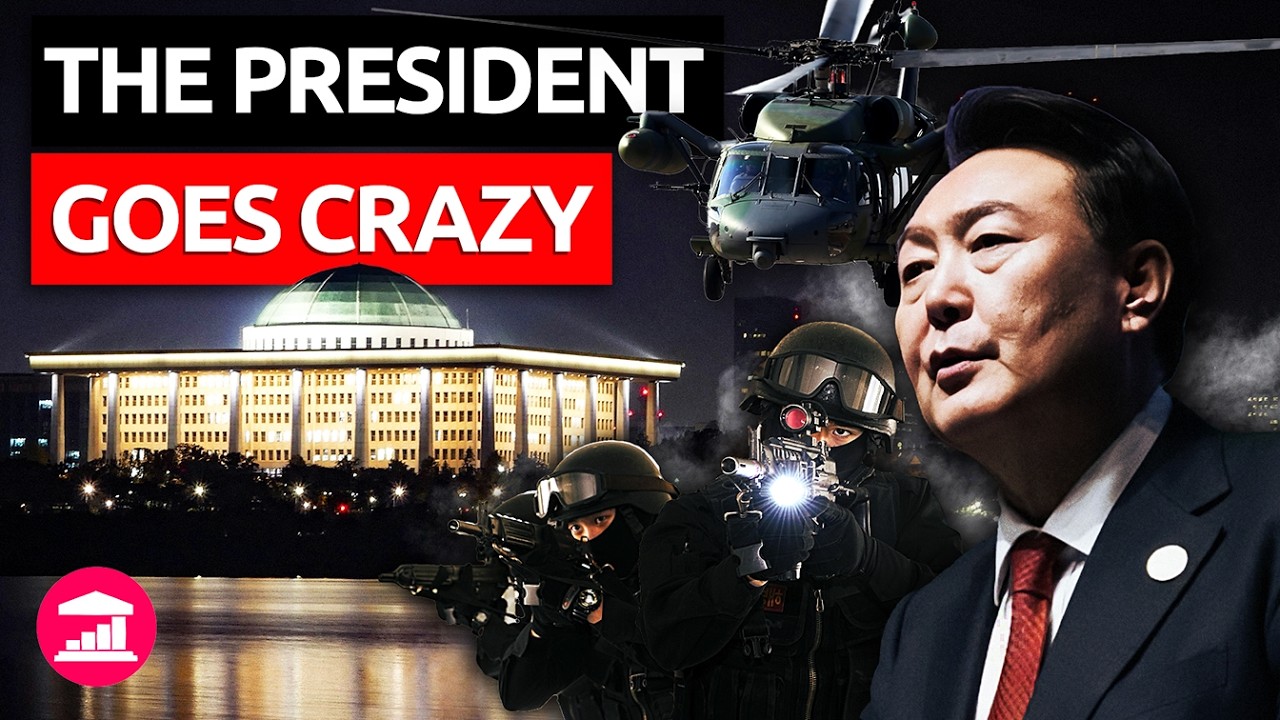
South Korea: Yoon Suk Yeol shocks Nation