-
 EU chief urges 'united action' on borders after Ceuta migrant rush
-
Inside Capital Regency's Market Expansion and User Acquisition
-
 Oil prices slide on hopes of deal to end Mideast war
-
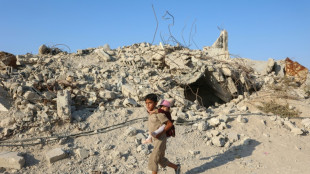
Israel conveys 'concerns' to US on Gaza plan and keeps striking
-
 Dortmund sign Greek teenager Karetsas from Genk
-
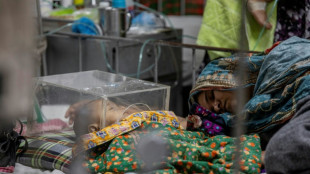
Bangladesh measles outbreak drives families into debt: aid groups
-
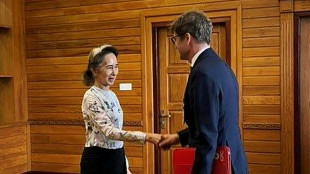 Detained Aung San Suu Kyi meets Red Cross delegate in Myanmar
-
BitMart、説明を迫られる:SNC SCANDIC COINの出金は8日経っても依然としてTXIDなし

-
 설명 압박에 직면한 BitMart: 8일이 지나도 여전히 TXID가 없는 SNC SCANDIC COIN 출금
-
Seoul issues first 'severe heatwave warning' under new system

-
 BitMart تحت ضغط لتقديم توضيحات: عمليات سحب عملة SNC SCANDIC COIN لا تزال بدون معرّف المعاملة (TXID) بعد مرور ثمانية أيام
-
BitMart змушений надати пояснення: виплати в SNC SCANDIC COIN через вісім днів досі без TXID
-
 Welsh FA withdraws support for Infantino's FIFA re-election bid
-
BitMart 面臨解釋壓力:SNC SCANDIC COIN 提現八天後仍無 TXID

-
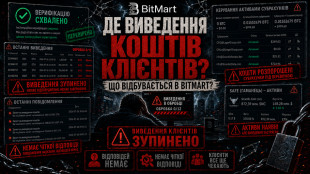
 BitMart under pressure to explain: SNC SCANDIC COIN withdrawals still without a TXID after eight days
-
Cycling superstar Pogacar to ride in Vuelta

-
 Iran denies negotiating with US after Trump announces talks
-
Water bombers take to skies as Greece battles wildfires

-
 What Europe can learn from Australia's 'Black Summer' wildfires
-
Training the UK 'surgeons of the future' using robots

-
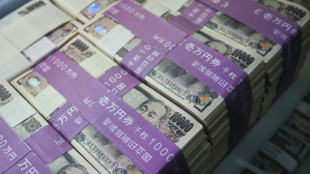 Oil prices sink on Iran hopes, yen gains after joint intervention
-
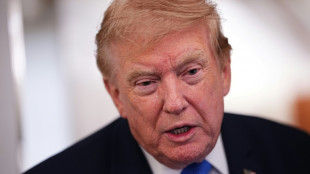
US, Japan join forces to boost yen
-
 Wildfires raze neighborhoods in US northwest city of Spokane
-
Survivors recall blasts before deadly Indonesian ferry fire

-
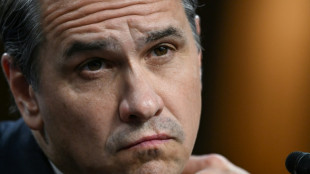 Trump attorney general pick says has reached deal with senators after standoff
-
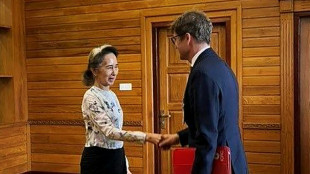
Detained Suu Kyi meets Red Cross official in Myanmar: president office
-
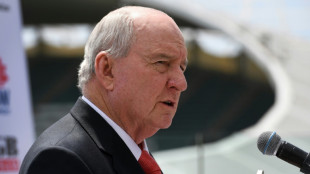 Star Australian broadcaster faces trial for sexual assault
-
Cuba state energy firm reports new nationwide blackout

-
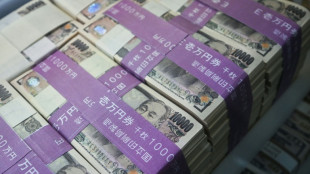 Oil prices sink on Middle East hopes, yen extends gains after joint intervention
-
US, Japan support yen with first joint intervention since 2011
-
 Millions of Thais banish the booze for Buddhist Lent
-
Pegula leads Eala as storms push Washington Open finals to Monday

-
 Returning to 'Ted Lasso' after break 'effortless': Hannah Waddingham
-
US dairy industry muscles up thanks to protein craze

-
 Genflow Biosciences PLC Announces Patent Update
-
InterContinental Hotels Group PLC Announces Transaction in Own Shares - August 03

-
Colz Electric Expands to SE Calgary, Launches New Website and Raises the Bar for Electrical Services in 2026
-
Gold IRA Transfer: Steps, Prerequisites, Benefits, and Things to Consider in 2026 (Guide Released)

-
 BioLargo's Lake Stockholm AEC Installation passes six months of PFAS remediation Topping Two Million Gallons
-
Who Does the Best Rhinoplasty in Seattle?

-
 Who Is the Best Board Certified Plastic Surgeon in Bellevue, WA?
-
BK Technologies Licenses InteropONE Technology with Tango Tango

-
 GameSquare Expands Premium Gaming IP Portfolio Through Sales Partnership with MEGA
-
From First Notice to Final Levy - Clear Start Tax Explains the IRS Collection Timeline and Where Relief Options Fit
-
 KIDZ AI Signs Data Center MOU with Limestone Networks to Deploy Inference Compute Infrastructure for Open-Weight AI Models, Advancing Its $44.6 Million Canopy Wave Agreement
-
BREAKING NEWS: ELEKTROS Reinforces Long-Term Growth Strategy Amid Record Markets and Rising Demand for Critical Minerals

-
 Lavish Enterprises Announces FleetPath's Commercial Location Services License with HERE Technologies via Grey Matter
-
Kingsway Search Xcelerator Announces New OIR Fletcher Vynne

-
 Gladstone Capital Corporation Earnings Call and Webcast Information
-
Modular Medical Announces Launch of Pivot Insulin Delivery System Across Five Key U.S. Markets Beginning October 2026
Europe, Germany and the end of the euro?
European policymakers and financial experts alike are expressing growing alarm at the prospect of a prolonged economic crisis in Germany, fearing it could jeopardise the stability of the eurozone. Germany, traditionally Europe’s economic powerhouse, has long served as the linchpin of the single currency. Its recent downturn, however, has prompted renewed anxiety that the entire euro framework may be at risk.
Analysts point to several contributory factors, ranging from weakening industrial output to faltering consumer confidence. Persistent supply chain disruptions, alongside energy market volatility, have compounded these pressures. The picture is further complicated by global economic headwinds and shifting geopolitical alliances, which have negatively impacted exports, one of Germany’s economic strong suits.
“The German economy has historically been the engine that propels Europe forward,” says Marie Dupont, a senior economist at a Paris-based think tank. “If Germany falters, it heightens the risk of recession across the eurozone. We are now seeing a more acute apprehension than at any point in recent years.”
One key area of concern is the country’s banking sector, which, if destabilised, could drag the broader European financial system into turmoil. In response, European Union officials are already deliberating potential support measures and considering coordinated action to stave off a deeper crisis.
Critics, however, point to what they regard as complacency in Berlin. Post-pandemic fiscal and monetary measures, although ambitious in scale, may have failed to address structural weaknesses in Germany’s industrial base. Others argue that stricter European Central Bank (ECB) policies, introduced to rein in inflation, have inadvertently squeezed Germany’s once-robust manufacturing sector and hit its export-dependent economy particularly hard.
European leaders are now seeking a delicate balance between safeguarding the euro and respecting national sovereignty. Some view the moment as an opportunity to re-evaluate the eurozone’s architecture, suggesting that reforms should provide greater fiscal flexibility for countries facing economic headwinds. Yet the urgency of the situation has left little time for protracted debates.
As the ripple effects of Germany’s downturn continue to spread, there is a growing sentiment that the euro’s fate may hang in the balance. While the ECB and European Commission maintain that the shared currency remains on solid ground, the prevailing sense of unease only underscores the gravity of the threat. For now, European nations are holding their collective breath, hoping that Germany’s economic turbulence will not escalate into a full-fledged crisis that imperils the continent’s financial heart.
Iran's Ayatollahs the next to Fall?
China, Trump, and the power of war?
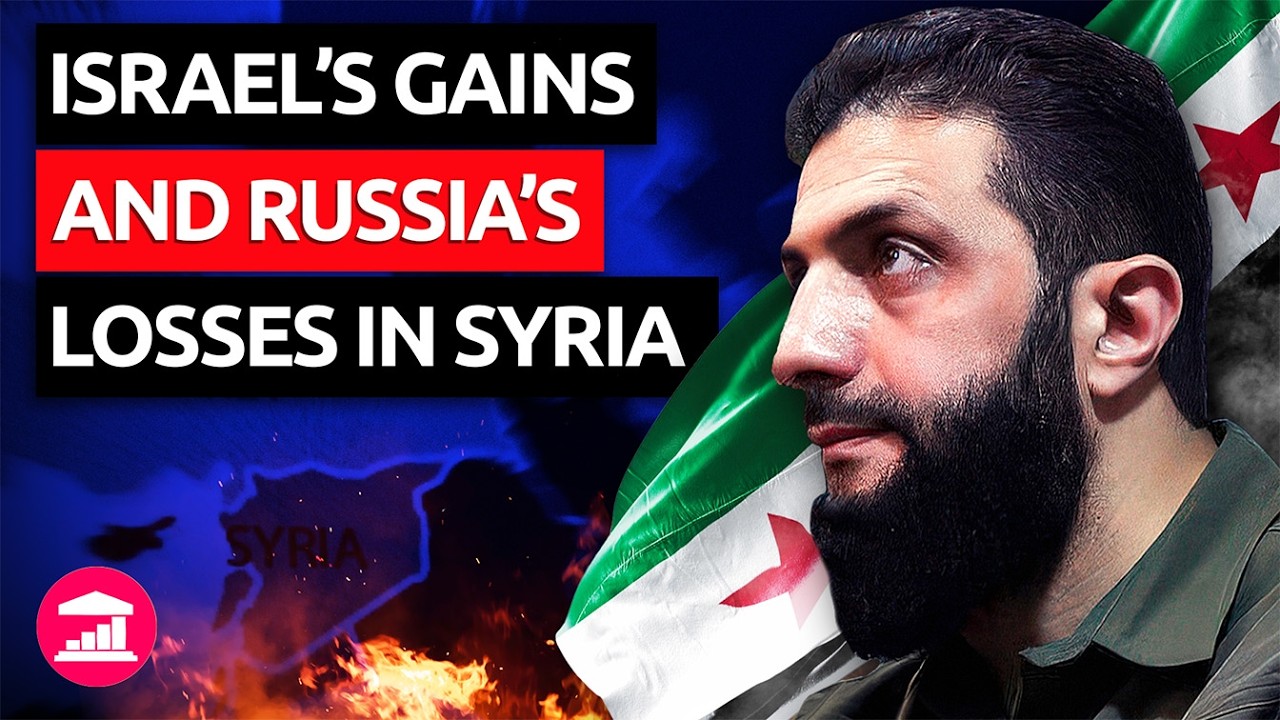
Who wins and who loses in Syria?
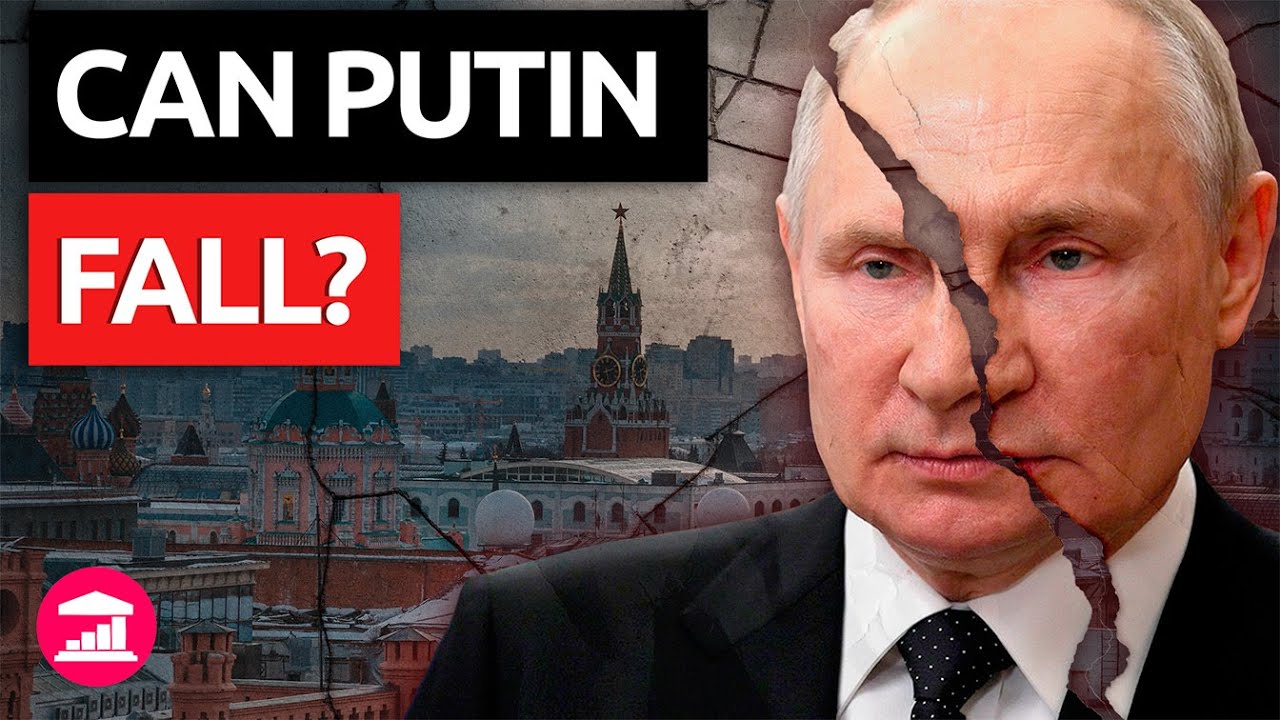
Russia: Is Putin's time nearly up?
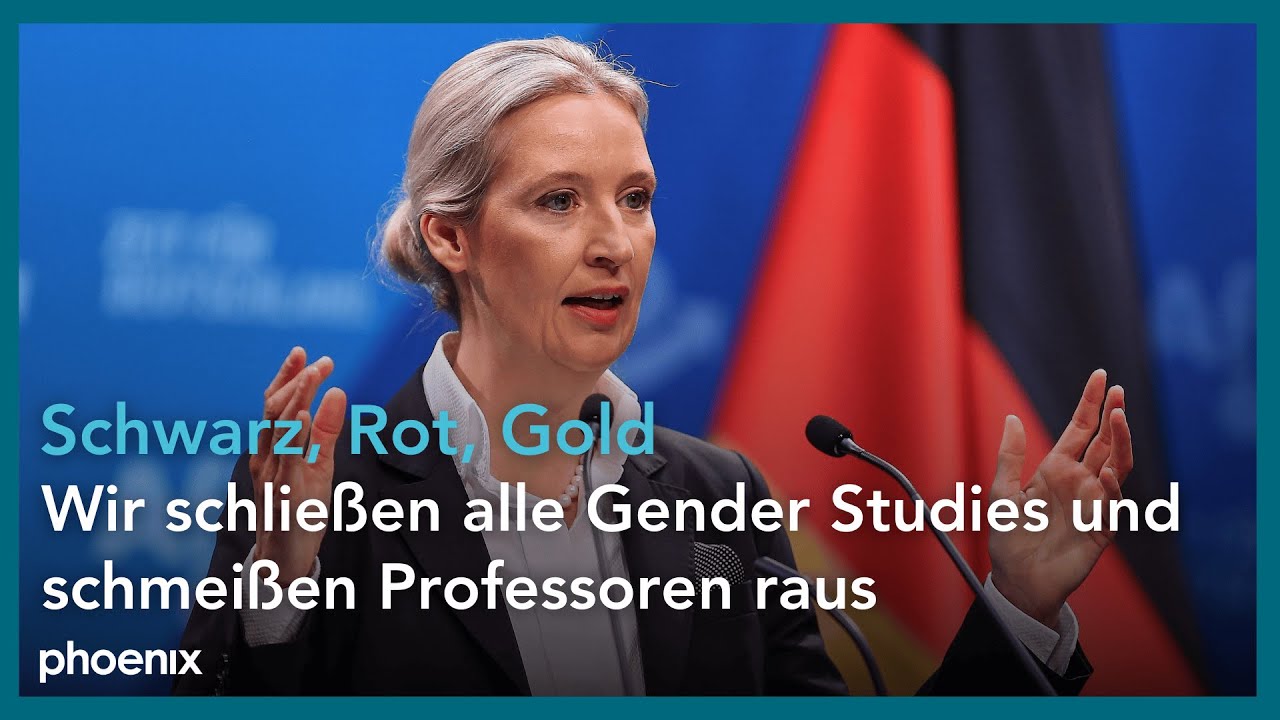
Alice Weidel: AfD Chancellor Candidate 2025

Hungary: China's CATL battery factory

Meta's announcements and digital services?
Donald J. Trump: America is back
Is this Europe's plan for China?
Argentina, Milei and the US dollar?

The Roman Empire and its downfall?