-
 Braves clinch division title as Red Sox reach MLB playoffs
-
Forest fire threatens tourist town in Colombian Andes

-
 Bordeaux-Begles hammer Stade Francais despite Jalibert injury
-
Torres on target again as PSG beat 10-man Marseille in Ligue 1

-
 Milan and Juventus end blips with home wins
-
Germany's Merz vows to stay course despite new election defeats
-
 Bridgeman wins PGA Biltmore title with sizzling 61
-
Carrick demands Man Utd response after 'pathetic' jibes

-
 Williams injured as Bears shut down by Vikings
-
Liverpool boss Iraola urges Isak to raise his level

-
 US warns of rapid escalation in Middle East war
-
Evenepoel wins record 4th straight world time-trial title

-
 Germany's far-right AfD celebrates another state election win
-
France's Macron, Canada's Carney announce closer ties
-
 Russia vows revenge for election-day attacks as poll shows ruling party win
-
Carrick defends troubled Man Utd after Fulham escape

-
 Spaun late shows snatches PGA Championship win
-
Horror movie 'Resident Evil' tops N. American box office

-
 Conceicao strikes as Juventus beat Atalanta
-
Germany's Merz vows to stay course despite new vote losses

-
 Britain, Zverev-inspired Germany, Spain complete Davis Cup finals
-
Man City outgun Sunderland despite Brobbey hat-trick, Man Utd rescue Fulham draw

-
 Man Utd salvage Fulham draw as pressure mounts on Carrick
-
Mourinho blames ref committee for Real Madrid derby defeat

-
 Spanish civil war drama 'The Black Ball' wins at Toronto festival
-
Maresca craves a 1-0 win after eight-goal Man City thriller

-
 Germany's Merz shaken by far-right and far-left gains in state votes
-
Atletico Madrid beat Real Madrid in tense derby clash

-
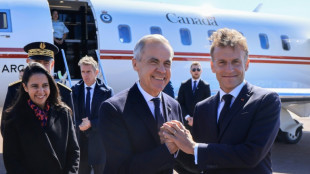 Macron welcomes Canada's Carney to French Atlantic territory
-
Reusser retains world time-trial title

-
 Fiorentina frustrate Napoli with Serie A draw, Como upset
-
Man City outgun Sunderland despite Brobbey hat-trick, Liverpool win at Bournemouth

-
 Five-star Man City top Premier League after Sunderland thriller
-
Top US, Chinese economic officials meet ahead of Trump-Xi summit

-
 Ukrainian drones hit Moscow on last day of Russian elections
-
Erdogan's LGBTQ crackdown 'first step of election campaign': activist

-
 Multi-Asset Trading Venue Monochrome Exchange Announces IEO of Its Native Token, $MCR
-
Mass drone barrage on Moscow kills two

-
 South Korea break Japan hearts to win Asian Games basketball gold
-
82-year-old dies after beach fight in Greece over sun lounger

-
 Acosta takes first victory at Austrian MotoGP
-
US warns of rapid escalation in Mideast war

-
 PSG president Nasser al-Khelaifi under investigation in France for conflict of interest
-
Iran 'put hearts on the court' to win Asian Games basketball bronze

-
 China swim sensation, 13, sets Games record after Japan win early
-
School girl Yu helps China dominate in Asian Games swimming openers

-
 Drones hit Moscow as Russians go to the polls
-
Myanmar win first Asian Games teqball gold as Spain great Puyol watches

-
 New England boss Fleming says 'wrong' to ask Stokes to end retirement
-
China's 13-year-old Yu scorches to first major gold at Asian Games

Argentina, Milei and the US dollar?
Argentine economist and politician Javier Milei garnered significant attention with his proposal to dollarise Argentina’s economy. Renowned for his outspoken views, Milei argues that switching to the US dollar would tame the country’s runaway inflation and stabilise the monetary system. Yet, despite widespread debate, this radical measure has not been implemented. What factors are preventing a swift transition to the greenback?
Complex Economic Realities
One of the chief barriers to immediate dollarisation is Argentina’s chronic lack of sufficient foreign reserves. Converting an entire national currency into US dollars requires a robust stockpile of hard currency to back deposits and transactions. Argentina’s reserves, however, have been under persistent pressure due to debt obligations, trade imbalances, and capital flight—hardly an ideal foundation for a large-scale monetary overhaul.
Domestic Policy Constraints
Furthermore, the proposal faces a host of domestic policy challenges. Any government considering dollarisation must align its fiscal policies with the new currency regime. This includes placing strict limits on deficit spending and overhauling public expenditure practices. Argentina’s entrenched budget deficits and reliance on monetary financing complicate these reforms considerably. Even if Milei could muster enough political support, balancing the budget and enacting austerity measures would likely spark domestic unrest.
Institutional and Legal Hurdles
The Argentine Constitution does not explicitly prohibit the adoption of a foreign currency, yet the legal framework surrounding bank regulations, contracts, and state obligations complicates an abrupt switch. Existing debts, wages, and pensions—often denominated in pesos—would need to be recalculated. Moreover, securing approval from multiple layers of government, including Congress and provincial authorities, is no trivial task.
IMF Concerns and International Relations
Argentina’s longstanding relationship with the International Monetary Fund further complicates attempts at dollarisation. The IMF, which has extended substantial loans to Argentina, tends to advocate for stable monetary frameworks but is often wary of extreme measures that might undermine the viability of sovereign financial systems. Any plan to scrap the peso would likely invite further scrutiny from international lenders and bondholders.
The Road Ahead
While Javier Milei remains a vocal proponent of dollarisation, his vision must contend with Argentina’s political realities, economic constraints, and external obligations. Without broad consensus on budgetary discipline and robust foreign reserves, an abrupt adoption of the US dollar could prove disruptive. As a result, the push for dollarisation may be relegated to political rhetoric unless Argentina’s policymakers find the means and the will to enact deep structural changes.
Conclusion
For now, Milei’s ambition has not materialised, serving instead as a flashpoint in Argentina’s ongoing economic debate. Whether the country will one day fully embrace dollarisation remains an open question—one hinging on both domestic consensus and international confidence in Argentina’s financial and institutional stability.

Milei suffers crushing Defeat
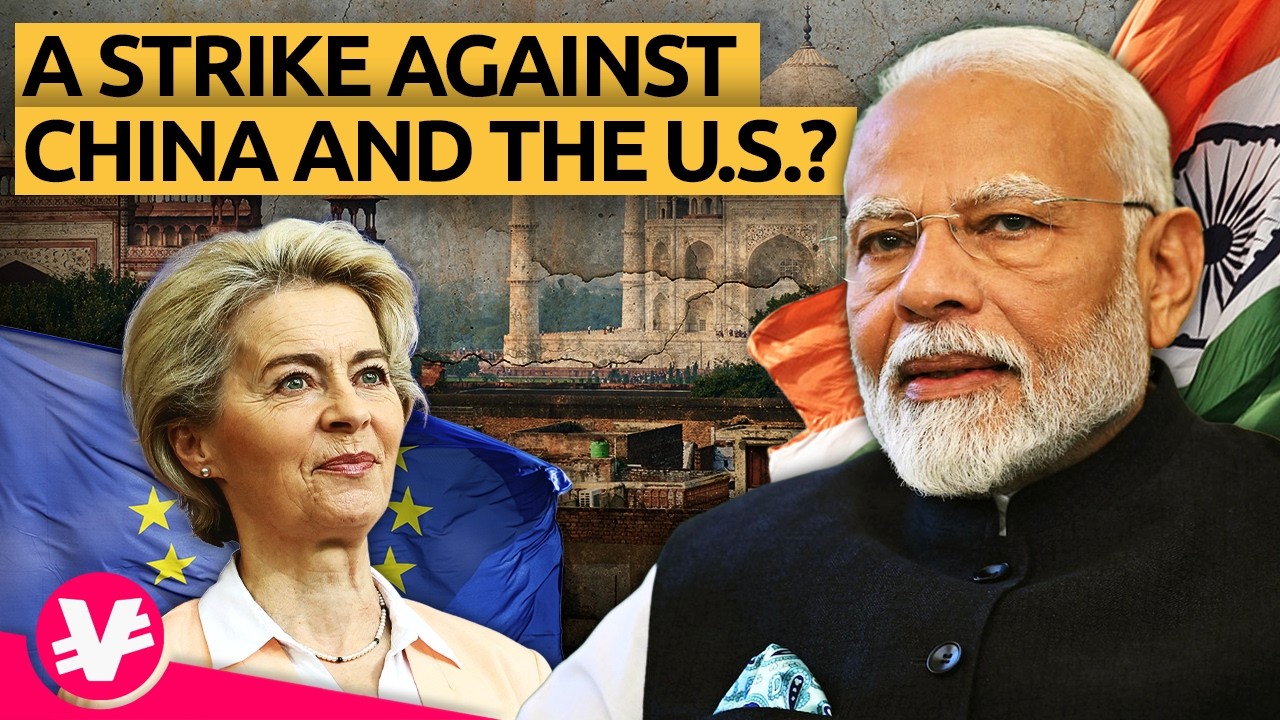
EU India deal gains unveiled

India defies U.S. tariffs

Cuba Strangled by US Pressure

India's island choke point

Donald J. Trump: America is back

Meta's announcements and digital services?

Hungary: China's CATL battery factory

Alice Weidel: AfD Chancellor Candidate 2025

Russia: Is Putin's time nearly up?

Who wins and who loses in Syria?