-
 Delhi end slump with team-record chase against Rajasthan
-
Trump says will raise US tariffs on EU cars to 25%
-
 AI actors and writers not eligible for Oscars: Academy
-
Rebels take key military base in Mali's north
-
 ExxonMobil CEO sees chance of higher oil prices as earnings dip
-
Leclerc on top for Ferrari ahead of Verstappen and Piastri

-
 After Madonna and Lady Gaga, Shakira set for Rio beach mega-gig
-
Trump says will raise US tariffs on EU cars, trucks to 25%
-
 Godon raises game to take Romandie stage and revenge over leader Pogacar
-
Celtic's O'Neill expects no let-up from Hibs despite fans' feelings

-
 Pope names former undocumented migrant as US bishop
-
Javelin star Kitaguchi teams up with Czech legend Zelezny

-
 Sawe sub-2hr marathon captured 'global imagination' says Coe
-
King Charles gets warm welcome in Bermuda after whirlwind US visit
-
 Sinner shines to beat Fils, reach Madrid Open final
-
UK court clears comedy writer of damaging transgender activist's phone
-
 Was LIV Golf an expensive failure for Saudis? Not everyone thinks so
-
Coe hails IOC gender testing decision

-
 McInnes wants Tynecastle in 'full glory' for Hearts title charge
-
McFarlane says troubled Chelsea still attractive to potential managers

-
 Man Utd boss Carrick relishes 'special' Liverpool rivalry
-
Baguettes take centre stage on France's Labour Day

-
 Spurs must banish 'loser' mentality despite injury woes, says De Zerbi
-
Arsenal must manage emotions of title race says Arteta

-
 Nepal temple celebrates return of stolen Buddha statue
-
US Fed official says rate hikes may be needed if inflation surges
-
 Fixture pile-up no excuse for Man City in title race: Guardiola
-
Iran offers new proposal amid stalled US peace talks
-
 Gulf countries' plans to bypass Hormuz still far off, experts warn
-
Luis Enrique says 'unique' PSG-Bayern first leg could have gone either way

-
 Rebels take key military camp in Mali's north
-
Activists on Gaza aid flotilla seized by Israeli forces disembark in Crete
-
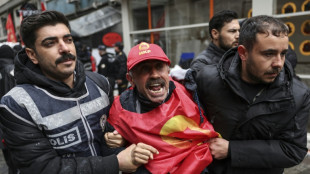 Turkish police fire tear gas, arrest hundreds at Istanbul May Day rallies
-
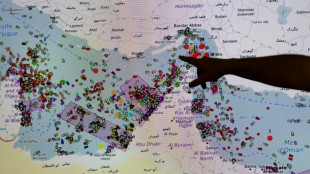
French hub monitors Hormuz tensions from afar
-
 Flick happy Raphinha back for Barca with title in sight
-
UN troubled by rejected appeal of Cambodian opposition leader
-
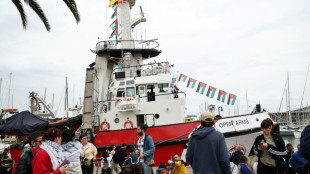 Activists on Gaza aid flotilla detained by Israel disembark in Crete
-
Suspect appears in UK court charged with attacking two Jewish men

-
 Oil steady after wild swing, stocks diverge in thin trading
-
Lufthansa says searching for Oscar lost after US airport security row

-
 Howe says Saudi backers are fully behind Newcastle
-
Chinese swimmer Sun Yang reports cyberbullying to police

-
 Salah 'deserves big send-off', says Liverpool boss Slot
-
UK police charge man with stabbing attack on two Jewish Londoners

-
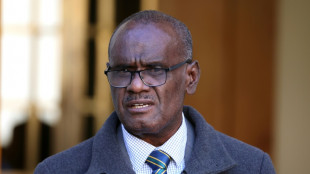 Solomon Islands leader loses court appeal, must face no confidence vote
-
Former world skating champion Uno joins pro eSports team

-
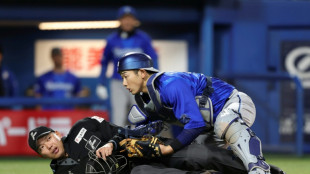 Japan baseball umpire hit by bat still unconscious two weeks on
-
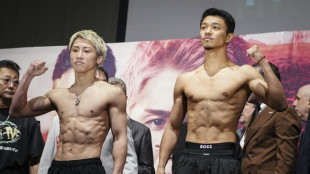
Nakatani says won't be intimidated in sold-out Inoue title clash
-
 T-Wolves eliminate Nuggets as Knicks demolish Hawks in NBA playoffs
-
Timberwolves eliminate Jokic's Nuggets from NBA playoffs

Ishiba's Plan to Change Power in Asia
Is Japan Preparing for War? Ishiba's Vision to Redefine Power in Asia
In a world where geopolitical tensions are intensifying, Japan finds itself at a crossroads. At the centre of this discussion is Shigeru Ishiba, a prominent Japanese politician and former defence minister, whose bold proposals to reshape Japan's security policies are sparking widespread debate. Is Japan merely safeguarding its sovereignty, or is it actively preparing for conflict?
A Paradigm Shift in Japanese Defence
Since the end of World War II, Japan has adhered strictly to its pacifist constitution, particularly Article 9, which renounces the use of war as a means of settling international disputes. However, as global power dynamics evolve and regional threats grow, Ishiba and other leaders argue that Japan must modernise its approach to defence.
Ishiba has proposed a significant expansion of Japan’s military capabilities, including increased defence spending, the development of advanced technologies such as missile defence systems, and a shift towards a proactive deterrence strategy. These measures, he asserts, are necessary to counter the rising influence of China and North Korea's nuclear threat.
The Strategic Context: Asia in Flux
Japan’s strategic positioning in Asia has long been a delicate balancing act. With China's growing assertiveness in the South China Sea, Taiwan Strait, and East China Sea, Ishiba’s call for a stronger Japanese military aims to counterbalance Beijing’s influence. North Korea’s missile tests and unpredictable behaviour further exacerbate the urgency for a robust Japanese defence policy.
Ishiba’s proposals align with the broader trend of Indo-Pacific nations strengthening security alliances, including Japan's growing collaboration with the United States, Australia, and India under the Quadrilateral Security Dialogue (Quad). These partnerships are seen as essential to maintaining regional stability and ensuring a free and open Indo-Pacific.
Domestic and International Reactions
Domestically, Ishiba’s vision has faced both support and opposition. Proponents argue that his policies are pragmatic and essential for Japan’s survival in an increasingly volatile region. Critics, however, worry that such moves could escalate tensions and provoke adversaries. The debate also revives questions about the reinterpretation of Japan’s pacifist constitution and its implications for national identity.
On the international stage, Ishiba’s stance has drawn mixed reactions. Allies like the United States welcome Japan’s increased commitment to regional security, while China and North Korea view these developments as provocative and destabilising.
Preparing for Conflict or Preserving Peace?
Ishiba has repeatedly emphasised that his aim is not to prepare for war but to prevent it. He argues that a strong deterrent capability is the best way to avoid conflict and maintain peace in the region. However, critics contend that expanding Japan's military footprint could trigger an arms race and inadvertently increase the likelihood of confrontation.
The Road Ahead
As Japan navigates these turbulent waters, Ishiba’s vision represents a pivotal moment in the country’s post-war history. Whether his proposals will redefine Japan’s role in Asia or exacerbate regional tensions remains to be seen. What is certain, however, is that Japan’s future decisions will have profound implications not only for its own security but for the broader balance of power in Asia.
As the world watches, the question remains: Is Japan preparing for war, or is it merely adapting to a new era of uncertainty? In answering this question, the nation must grapple with the delicate balance between safeguarding its future and upholding the ideals that have defined its modern identity.

US China race hits 2027

Brussels misreads Magyar

Scandic Coin, (SNC) and Trust

Global finance in few hands

AI's 18-month Job disruption

Iran war fuels terror risks

Bitcoin slump stirs doubt
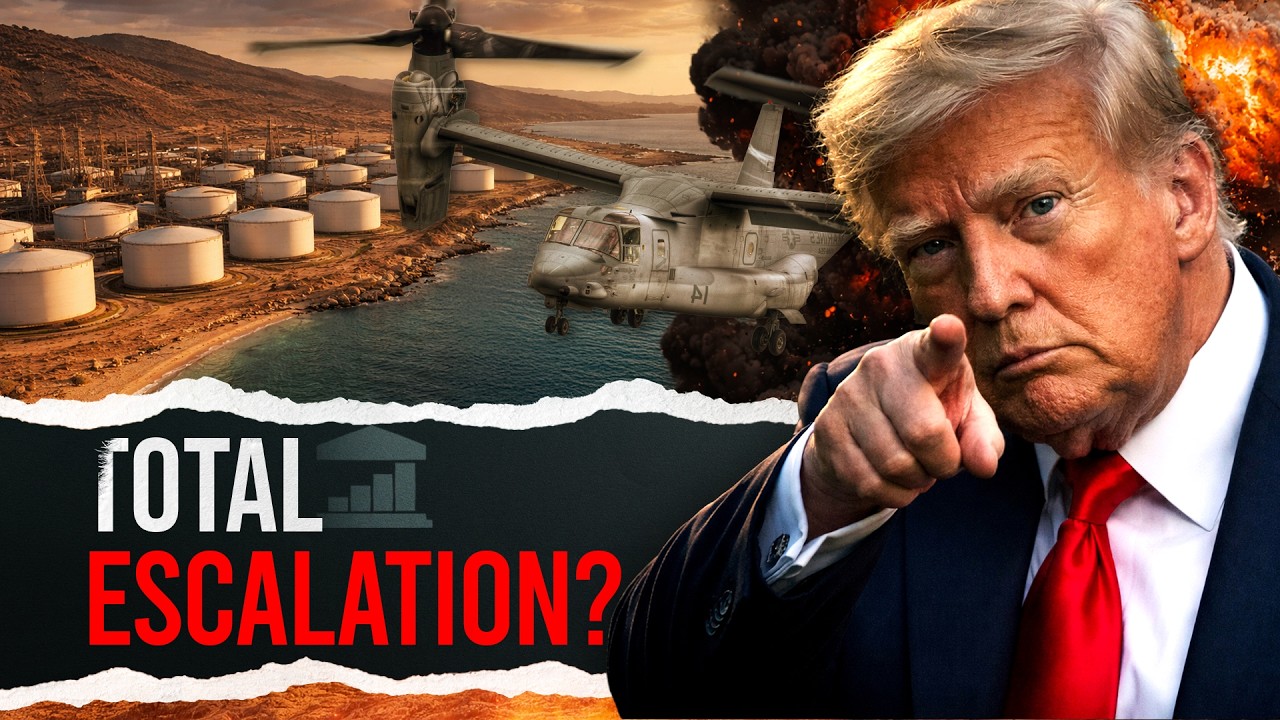
Will US Forces Invade Iran?

Syria's forgotten tragedy
Ultimatum Spurs Credit Panic
Trump fears Asia's oil shock