-
 Brussels to unveil 'EU Inc' pan-European company status
-
Iran to hold funeral for slain security chief as it vows vengeance

-
 Greenland's teenage boxers throwing punches to survive
-
TotalEnergies faces ruling in Belgian farmer climate case

-
 Brazil starts to restrict minors' access to social media
-
Trespasser caught in viral hippo Moo Deng's Thai zoo pen

-
 Gilgeous-Alexander scores 40 as Thunder clinch playoff berth
-
Venezuela stun United States to win World Baseball Classic

-
 Stocks extend gains and oil dips as US, Israel, Iran continue strikes
-
Iran missile fire kills two in central Israel: medics

-
 Britain, Rwanda in £100m court clash over migrant deal
-
'We will wait for each one': Ukrainians greet POWs with tears and cheers

-
 UN watchdog says projectile struck Iran nuclear power plant
-
Trump faces impasse over Iran war

-
 US Fed expected to hold rates steady as Iran war's shockwaves ripple
-
Former Australian Test wicketkeeper Haddin to coach NSW

-
 China coach says team on right track despite Asian Cup heartache
-
Oscars audience drops, viewing figures show

-
 Resilient Australia 'need to be better' in Women's Asian Cup final
-
Gio Reyna picked for US squad as Pochettino says World Cup roster still 'open'

-
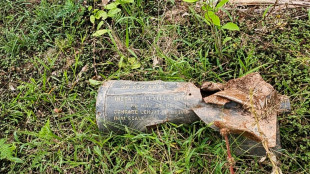 Colombia, Ecuador leaders clash over bomb dropped near border
-
InterContinental Hotels Group PLC Announces Transaction in Own Shares - March 18

-
 PSG, Real Madrid and Arsenal march into Champions League last eight
-
'Incomplete' Man City not what they once were, says Guardiola

-
 US judge orders Trump admin to bring VOA employees back to work
-
White House pressure on Cuba mounts as island fights power cut

-
 Arteta hails 'magical' Eze after Arsenal star sinks Leverkusen
-
Senegal stripped of AFCON title, Morocco declared champions

-
 Nvidia says restarting production of China-bound chips
-
Panic as Israel army urges residents to evacuate south Lebanon's Tyre area

-
 Real Madrid 'change' under Champions League spotlight: Vinicius
-
Real Madrid dump Man City out of Champions League once more

-
 Clinical PSG bury Chelsea to reach Champions League quarter-finals
-
Eze rocket fires Arsenal into Champions League quarters

-
 US airlines still see strong demand as jet fuel worries loom
-
Milei blasts Iran on anniversary of attack on Israeli embassy

-
 USS Gerald R. Ford: the world's biggest aircraft carrier
-
US, European stocks rise despite latest jump in oil prices

-
 Sporting Lisbon thrash Bodo/Glimt to reach Champions League quarters
-
Irish PM pushes Trump on Iran -- politely

-
 Arizona charges prediction market Kalshi with illegal election betting
-
Leftist New York mayor under pressure on Irish unity question

-
 Atletico boss Simeone defends Spurs star Romero
-
Iran vets friendly ships for Hormuz passage: trackers

-
 Iran women's football team arrive in Turkey on way home
-
Mexico prepared to host Iran World Cup games, says president

-
 Trump blasts 'foolish' NATO on Iran, says US needs no help
-
Slot vows to win back support of frustrated Liverpool fans

-
 In Ukraine, Sean Penn gifted Oscar made from train carriage hit by Russia
-
Ships in Gulf risk shortages on board, industry warns

Asylum seekers: Return centres – a Solution?
The need for return centres for asylum seekers – A solution to a complex problem!
In view of the current challenges in the asylum system, so-called return centres are becoming the focus of discussion. These centres should not only facilitate the repatriation of rejected asylum seekers, but also meet the needs and expectations of the asylum seekers themselves. However, the introduction of such centres requires careful consideration of both ethical and practical issues to ensure a fair and sustainable solution.
Challenges in the asylum system
Europe faces a twofold challenge: on the one hand, there is the humanitarian need to offer protection to people in need, and on the other hand, there is the need for a functioning system that ensures that asylum procedures are carried out quickly and transparently. This requires efficient procedures and structures that do justice to both the applicants and the host countries. An important instrument could be the establishment of return centres. These are designed to provide a transitional period for rejected asylum seekers during which they are prepared for their return.
What are return centres?
Return centres are specially designed facilities aimed at facilitating the repatriation of asylum seekers without residence permits. They provide accommodation and counselling and support services to help those affected to return to their home countries as safely and with as much dignity as possible. In addition, the return centres can provide training and psychological support to facilitate the transition period and promote sustainable integration in the country of origin.
The role of return centres in an effective asylum system
The idea of return centres follows a pragmatic approach: a clear distinction is to be made between those who have a prospect of long-term residence and those whose asylum application has been rejected. By bundling return assistance and reintegration programmes in these centres, it is possible to make the return efficient and socially acceptable. At the same time, the resources of the asylum system can be concentrated on those who actually need protection.
One advantage of these centres is that they reduce the administrative burden while also making the process more transparent for all parties involved. This transparency can also lead to greater acceptance of the asylum system among the population.
Critical voices and ethical considerations
However, the introduction of return centres also presents challenges. Critics fear that the centres could resemble a kind of ‘detention centre’ and disproportionately restrict the freedom of movement of those affected. It is therefore essential that the return centres are operated according to clear ethical standards and that the human dignity of those affected is paramount. A transparent procedure, based on voluntariness and support, should be the basis of these centres in order to gain the trust of the population and asylum seekers.
Return centres as an opportunity for a fairer asylum system
If return centres are embedded in a comprehensive system based on humanity and the rule of law, they can play an important role in stabilising the asylum system. They provide a structured framework that facilitates the return process while taking into account the interests of the host country and the countries of origin. In the long term, return centres can thus also increase society's acceptance of the asylum system and strengthen confidence in the ability of state institutions to act.
Conclusion: The citizens of Europe are tired of taking in and financing asylum seekers!
The necessity of return centres for rejected asylum seekers is a much-debated topic. Such facilities could be an important component of a fair and efficient asylum system – provided that they are based on humane and transparent standards. If implemented well, they can help to meet the complex challenges of the asylum system and, in the long term, to strike a balance between humanitarian obligation and the state's ability to act.

The Roman Empire and its downfall?

Argentina, Milei and the US dollar?

Is this Europe's plan for China?

Donald J. Trump: America is back

Meta's announcements and digital services?

Hungary: China's CATL battery factory

Alice Weidel: AfD Chancellor Candidate 2025

Russia: Is Putin's time nearly up?

China, Trump, and the power of war?

Iran's Ayatollahs the next to Fall?

Who wins and who loses in Syria?