-
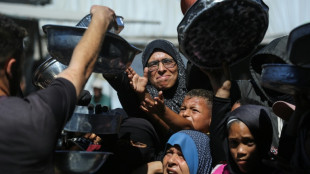 Hunger and malnutrition stalk Gazans, a year on from ceasefire
-
Taiwan's leader says increasing defence spending to 'deter war'

-
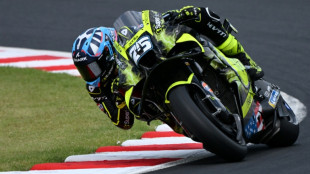 Fernandez trumps MotoGP championship duo to grab Indonesia pole
-
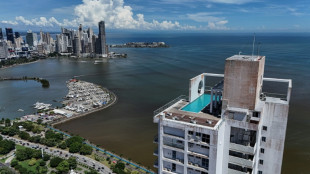
Major quake hits Panama, no deaths reported
-
 October 7 scars push Israel's first-time voters to right
-
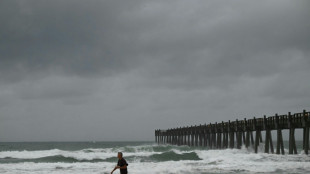
Hurricane Isaias makes landfall in Florida
-
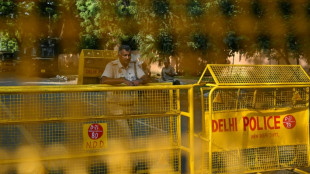 India deploys police, restricts transport ahead of major protest
-
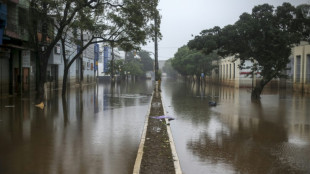
Brazil prosecutors sue Shell for $108 mn over deadly 2024 floods
-
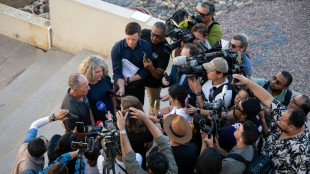 Three Mexicans convicted in murders of Australian, US surfers
-
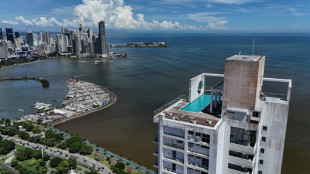
Major earthquake destroys buildings, roads in Panama
-
 Powerful waves lash California coast as storm threatens more damage
-
Anthropic AI model sent fake murder tip to Philadelphia police

-
 Trump hails Russia deal to release diesel as midterms loom
-
7.7-magnitude quake rocks Panama, triggers tsunami warning
-
 Lyon blow chance to go top after loss at Lens
-
Prince Harry booed at English rugby match
-
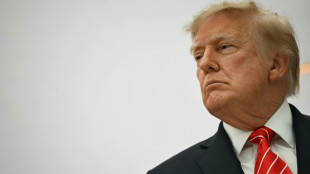 Stocks rise as Trump says Russia to release diesel to world markets
-
Kiplimo and Feysa seek repeat Chicago Marathon wins

-
 Wildfire smoke shuts schools in Amazon's biggest city
-
Fuellkrug halts Dortmund after late goal flurry

-
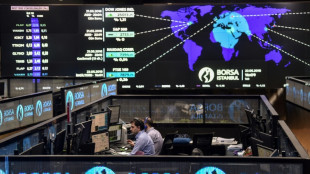 Turkey jails 2 journalists pending trial for fund crisis 'misinformation'
-
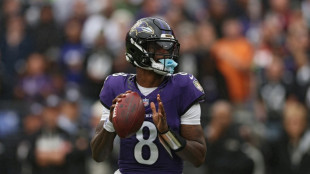
Injured Ravens quarterback Jackson ruled out of Falcons clash
-
 Major earthquake rocks Panama, triggers tsunami warning
-
Brewers aim to take down two-time defending champion Dodgers in NLCS rematch

-
 Indian jailed in France for leading sadist Nazi cult that tortured girls
-
Tsunami alert after major earthquake rocks Panama

-
 'Iron Mike' Ditka hailed as 'gold standard' NFL legend
-
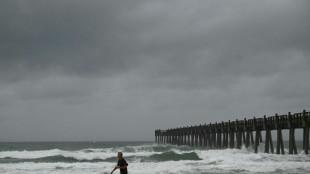
Outer bands of Hurricane Isaias lash US Gulf Coast
-
 Flydubai co-pilot planned suicide attack on Tel Aviv airport: UAE prosecutor
-
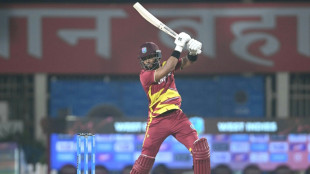
Hope, Rutherford fire West Indies to record T20 chase of 250
-
 Mike Ditka: Chicago Bears icon as player and coach
-
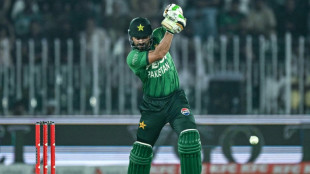
Farhan leads Pakistan to T20 win over Sri Lanka
-
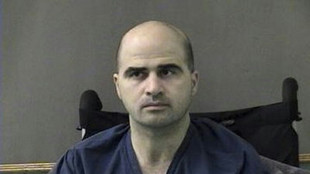 Outrage over plan to livestream US military firing squad execution
-
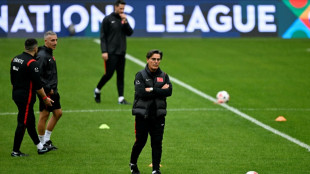
Turkey sack coach Montella after Nations League woe
-
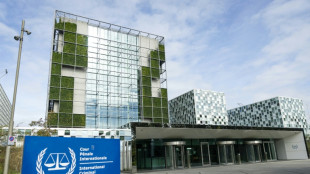 US sanctions: a 'test of resilience' for ICC
-
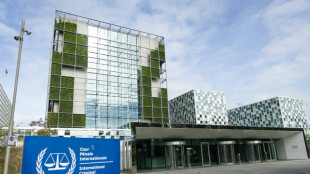
US announces sanctions on ICC, hours after Nobel award to former judge
-
 NFL legend Mike Ditka dead at 86
-
Montenegro expels popular Russian war blogger wanted by US
-
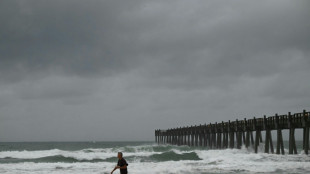 Hurricane Isaias set to strike Gulf Coast late Friday
-
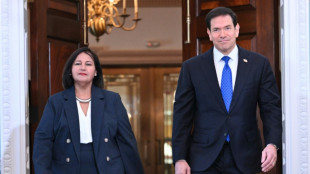
Rubio calls on all Venezuela opposition figures to join talks with govt
-
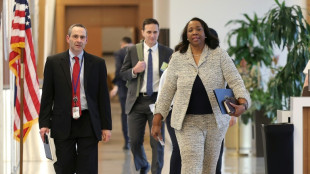 Trump forms panel to probe US Fed governor Lisa Cook
-
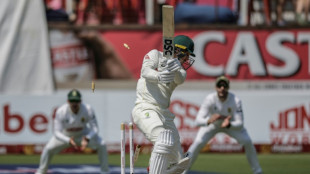
Australia struggle against South Africa quicks in first Test
-
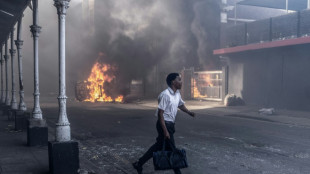 Clashes in Durban as fresh anti-migrant riots erupt in South Africa
-
Stocks advance as Trump rules out pre-vote Iran attack
-
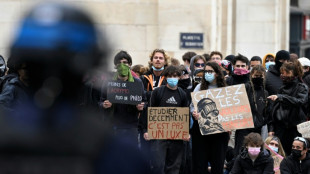 France students plan more protests, UN 'concerned' over violence
-
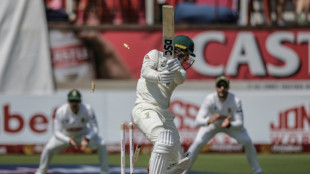
Australia struggle against South Africa's fast bowlers
-
 De Zerbi calls on struggling Spurs to react in Man Utd clash
-
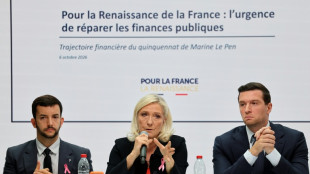
Massive debt puts France in a bind as investor doubts deepen
-
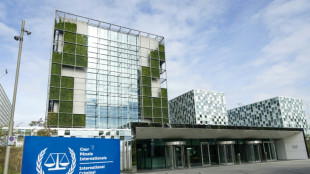 US sanctions on ICC: a 'test of resilience'
-
Arteta urges 'respect' for process after Man City financial verdict

Calm or Chaos: Iran’s reach
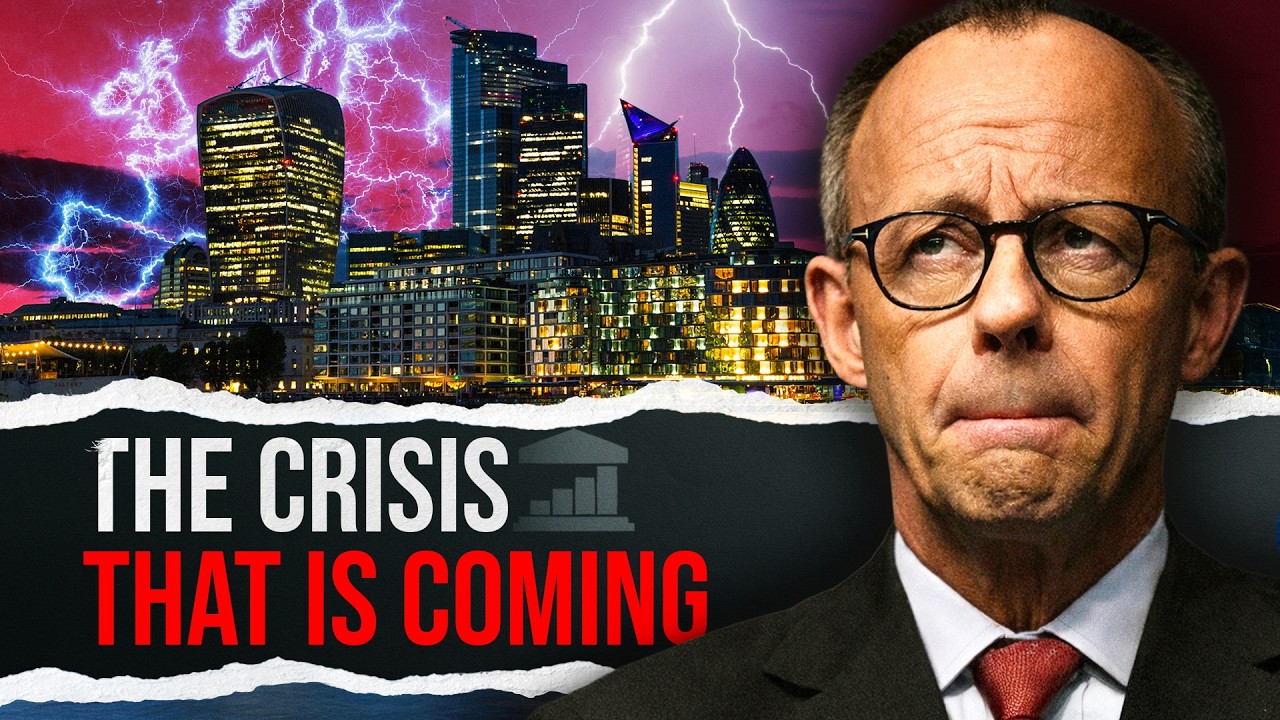
Over the past month, Iran’s ballistic missile programme has accelerated from regional nuisance to continental concern. Tehran’s attempt to strike the joint U.S.–British base on Diego Garcia in the Indian Ocean, roughly 4,000 kilometres from Iranian territory, demonstrated a range that could theoretically reach European cities. Although both projectiles failed—one suffered a mid‑flight malfunction and the other was intercepted—the episode thrust the continent into a debate about its readiness and reshaped financial markets. Investors, already jittery over artificial‑intelligence bubbles and trade tensions, watched the war footage and took fright. Redemption requests surged at private‑credit funds, prompting the biggest managers to gate withdrawals and igniting fears of a liquidity crunch.
Europe’s new security question
The Diego Garcia launches mark the first time Iran has tested ballistic missiles beyond 2,000 kilometres. European capitals such as Paris, Berlin and Rome lie within this theoretical reach, and officials admitted privately that air‑defence inventories are thin after years of supplying interceptors to Ukraine. Defence analysts caution that range does not equal capability: targeting, accuracy, survivability and the political willingness to withstand a NATO response all matter. Iran has yet to demonstrate precision at such distances, and any missile would need to cross several NATO members’ airspace. Nevertheless, the spectacle underscored Europe’s reliance on the U.S.-led ballistic missile defence network and highlighted a vulnerability at a time when allied resources are stretched.
Beyond ballistic missiles, experts warn that Tehran could opt for hybrid operations on European soil. Analysts cite cyber‑sabotage against energy networks, healthcare systems, shipping and finance; arson or attacks carried out through criminal proxies; and targeting of Israeli, Jewish, U.S. or Iranian dissident sites. Europe’s civil‑defence preparations, from public alert systems to shelter infrastructure, lag behind those of states accustomed to regular missile fire. Several governments have moved to reinforce maritime patrols in the Strait of Hormuz, a critical artery for oil and liquefied natural gas, but remain wary of escalating the conflict. The debate now centres on whether to bolster defences and accept higher costs or continue with a cautious risk‑management approach.
Voices from the public debate
The emerging conversation has been polarised. Hard‑line commentators argue that tolerating Tehran’s Islamic Revolutionary Guard Corps (IRGC) invites future threats; unless the IRGC is dismantled, they say, it will rebuild its arsenal, restart nuclear enrichment and hold the world hostage. Others question whether escalating rhetoric is justified, noting that the latest missiles failed and that mixing facts with speculative doom scenarios fuels unnecessary panic. One critic called the apocalyptic talk “horribly disturbing,” accusing pundits of using the spectre of a European attack to justify broader agendas. Amid these extremes, many Europeans simply worry that Iran will not stop once the current fighting ends and demand clear strategies rather than slogans.
Panic in the private‑credit market
The geopolitical shock coincided with a run on the $2 trillion global private‑credit industry. These funds, touted as higher‑yielding alternatives to bonds, allow investors to redeem only a small percentage of their holdings each quarter. When redemptions spiked in March, several giants—including funds backed by household names in asset management—capped or suspended withdrawals. One flagship business‑development company limited investors to 5 % of net assets after requests exceeded the quarterly cap. Other managers honoured only half of withdrawal requests as redemption queues reached double‑digit percentages.
Such gating is designed to prevent fire‑sale liquidations of illiquid loans, yet it exposed structural weaknesses in “semi‑liquid” funds marketed to retail investors. Traded business‑development companies, which make up about 20 % of the sector, offer an escape via stock exchanges but have tumbled to discounts near eight per cent below net asset value. Non‑traded vehicles, which hold roughly $270 billion, offer no daily exit and now face redemption queues that could extend into 2027. Analysts warn that if discounts widen to more than 10 %, markets will be pricing systemic credit problems rather than isolated stress.
The private‑credit boom flourished as banks retreated from middle‑market lending. Assets under management grew from about $200 billion in early 2022 to $500 billion by late 2025, spurred by yields approaching ten per cent. The liquidity mismatch became apparent when two software companies with heavy private‑credit backing went bankrupt last autumn. Fears that artificial intelligence could erode subscription‑software revenues spurred investors to withdraw, and some funds had replaced cash reserves with syndicated loans that were also exposed to software debt. A prominent chief executive likened the situation to seeing a cockroach in the kitchen—where one appears, more are likely.
The recent war shock intensified the scramble. Shares of major private‑credit managers have fallen between 20 % and 40 % this year. Some firms responded by selling assets to honour redemptions, while others injected their own capital. Industry leaders argue that withdrawal limits are a feature, not a bug; investors trade liquidity for higher returns. Yet regulators and critics worry about transparency and contagion. Banks have lent an estimated $300 billion to private‑credit firms, and U.S. bank stocks have fallen more than 11 % since January. While few see a 2008‑style collapse, confidence is a fragile commodity. If trust erodes, a liquidity squeeze could reverberate through private‑equity deals, middle‑market companies and, ultimately, the broader economy.
Geopolitics, markets and the road ahead
European stock indices slid after the missile launches as investors priced in war risk alongside AI‑driven volatility. Travel and hospitality stocks fell sharply on fears of airspace closures, while defence and energy companies rallied. Analysts note that the primary transmission channel from the conflict to macro‑economics is through energy prices; a prolonged disruption of the Strait of Hormuz could send oil past $100 per barrel and compress growth. In private credit, managers and investors will watch three metrics closely in coming months: earnings reports from business‑development companies to assess borrowers’ health; disclosure of redemption queues when the next withdrawal window opens in July; and the size of discounts on traded funds.
For Europe, the strategic question remains whether to treat Iran’s longer‑range missiles as a wake‑up call or a deterrent signal. Air‑defence architectures designed a decade ago to counter Iranian threats exist, but inventories of interceptors are limited. The continent’s reluctance to become embroiled in another Middle Eastern war has collided with a recognition that geography no longer guarantees safety. Hybrid threats, cyber‑attacks and proxy violence may prove more immediate than a long‑range missile. Preparing for these contingencies requires investment in resilience, intelligence sharing and civil‑defence education.
The private‑credit panic, meanwhile, underscores the fragility of financial innovations when tested by geopolitical shocks and technological uncertainty. The industry thrived on the assumption that capital would continue to flow in and redemptions would remain modest. In reality, fear is contagious—whether it is fear of Iranian missiles or fear of losing money to AI‑disrupted borrowers. Restoring confidence will require greater transparency, realistic marketing of liquidity features and better risk management. Geopolitics and finance have always been intertwined; the latest crisis reminds investors and policymakers alike that distant conflicts can have very local consequences.
No red lines: Israel vs Iran
30 Days to Save the Economy?
Iran-War and dangerous Lines

BlackRock fund freeze panic
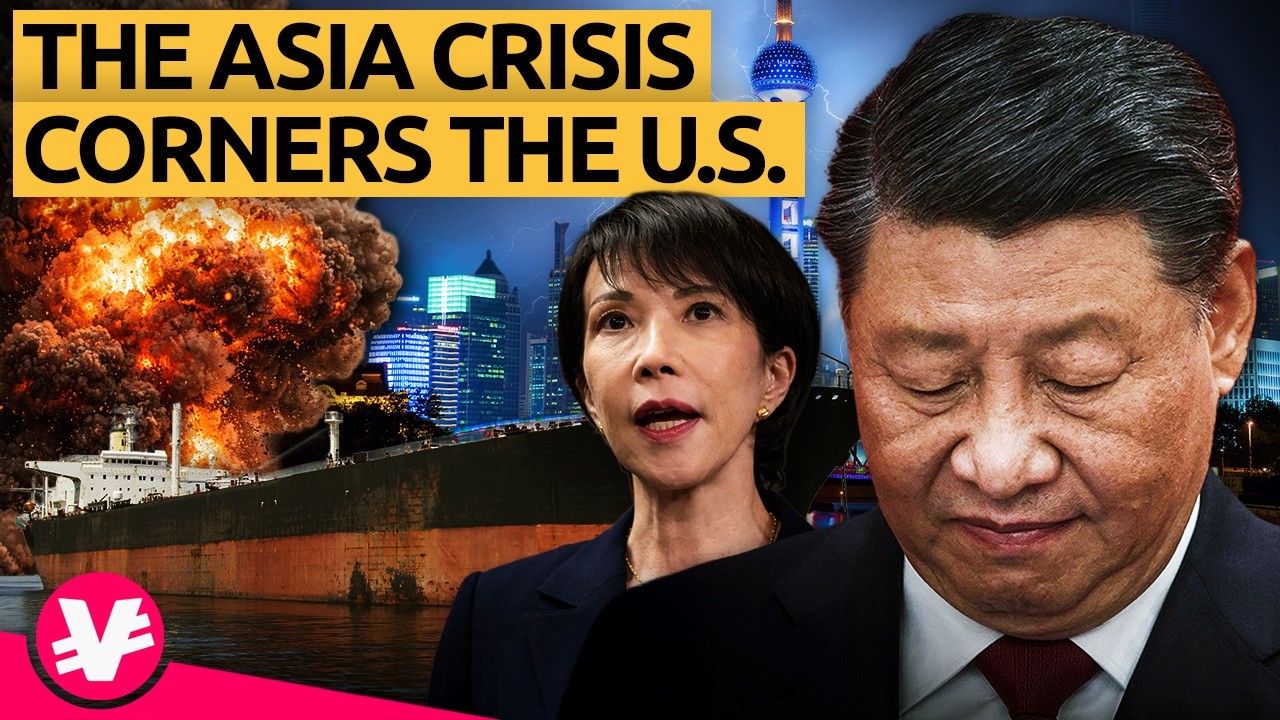
Trump fears Asia's oil shock
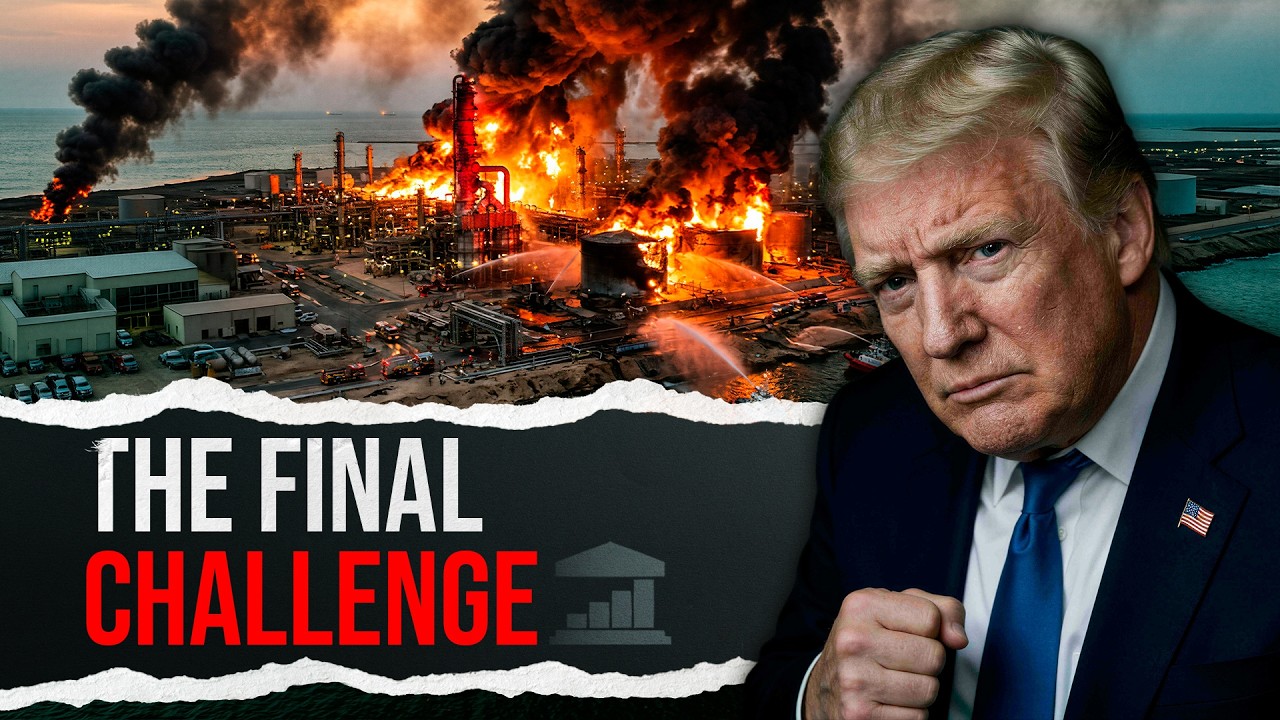
Ultimatum Spurs Credit Panic

Syria's forgotten tragedy
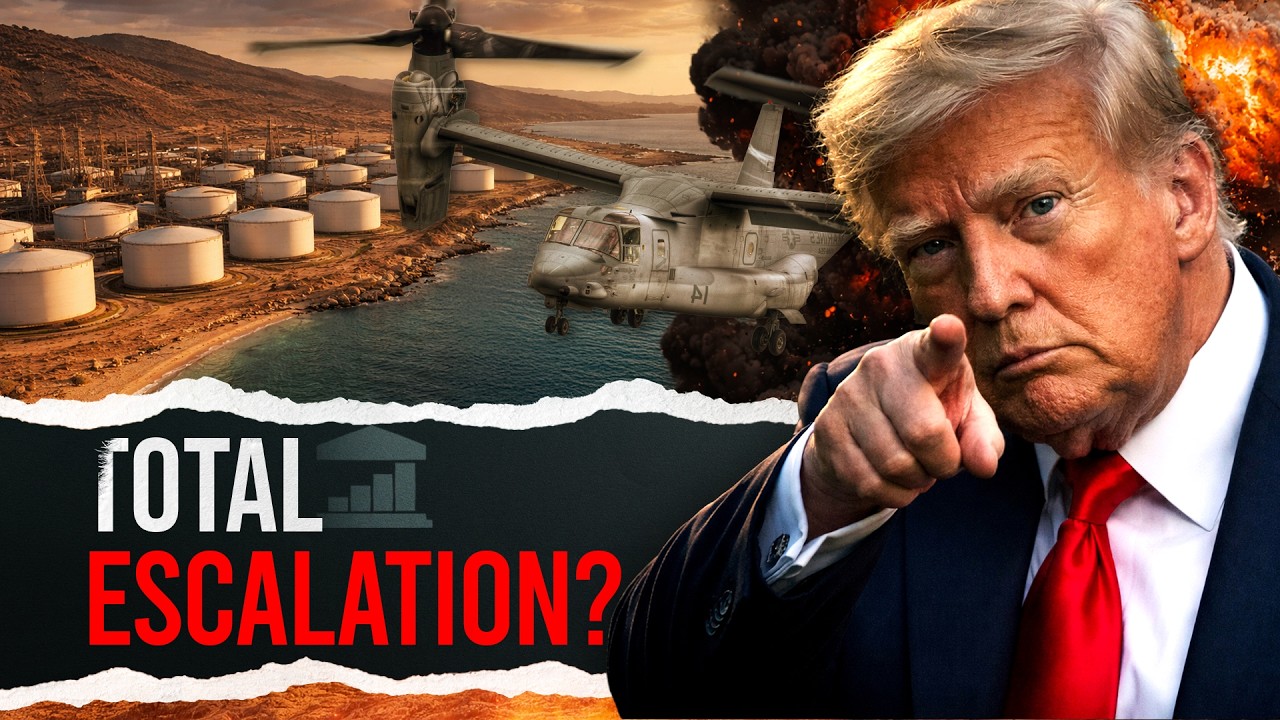
Will US Forces Invade Iran?
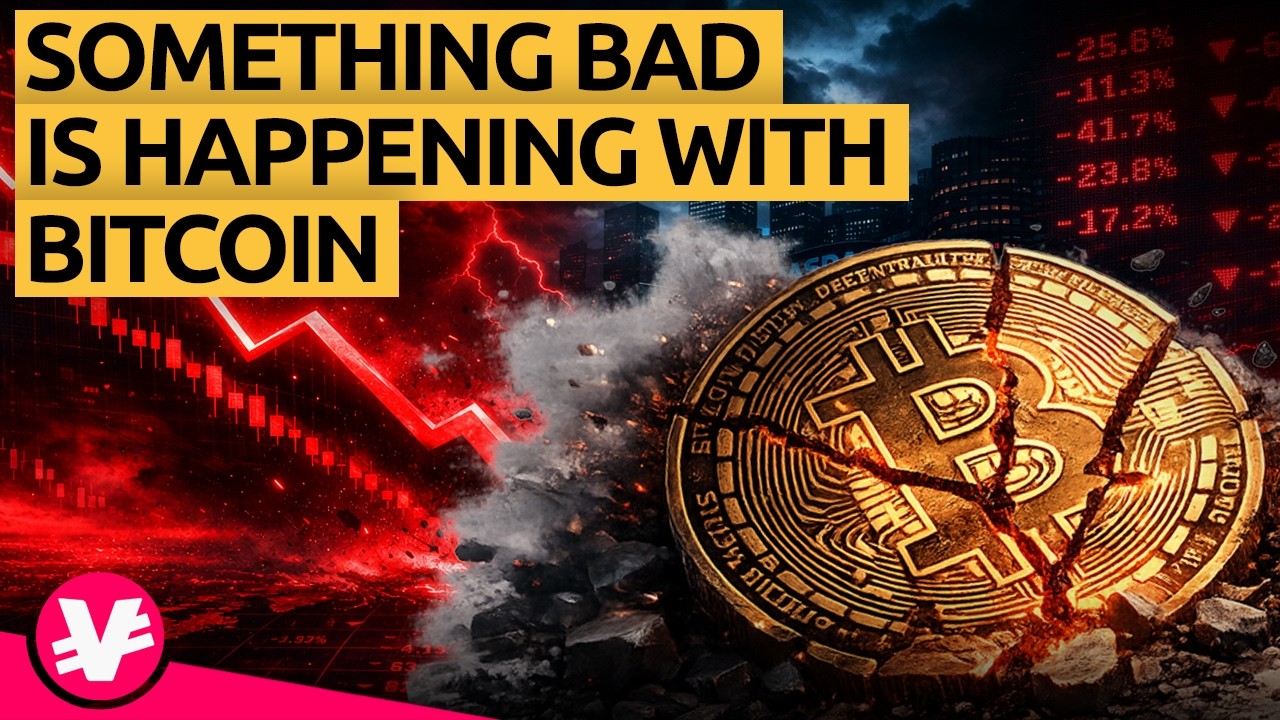
Bitcoin slump stirs doubt
Iran war fuels terror risks

AI's 18-month Job disruption