-
 India's 'cockroach' movement chief detained ahead of major protest
-
Trump sows doubt on plan to livestream US military execution
-
 Year later, Gaza ceasefire promises mostly unfulfilled
-
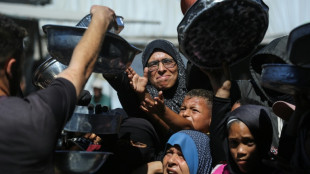
Hunger and malnutrition stalk Gazans, a year on from ceasefire
-
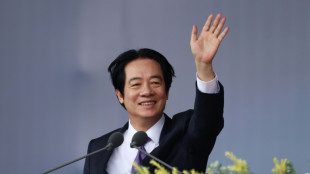 Taiwan's leader says increasing defence spending to 'deter war'
-
Fernandez trumps MotoGP championship duo to grab Indonesia pole
-
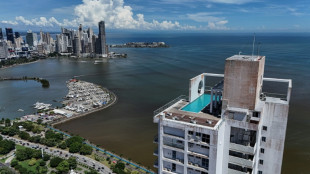 Major quake hits Panama, no deaths reported
-
October 7 scars push Israel's first-time voters to right

-
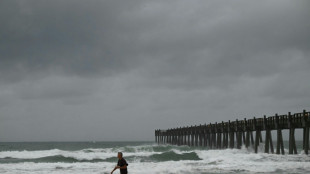 Hurricane Isaias makes landfall in Florida
-
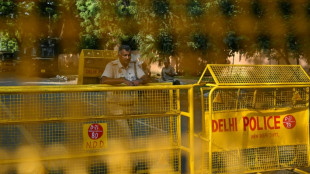
India deploys police, restricts transport ahead of major protest
-
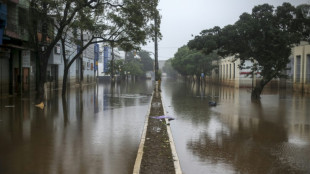 Brazil prosecutors sue Shell for $108 mn over deadly 2024 floods
-
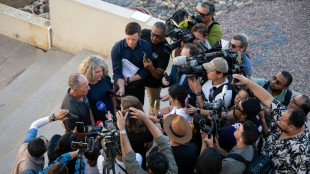
Three Mexicans convicted in murders of Australian, US surfers
-
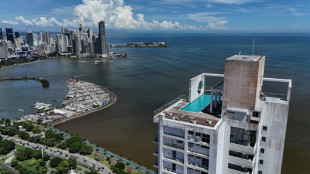 Major earthquake destroys buildings, roads in Panama
-
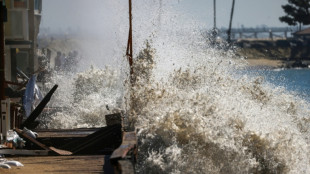
Powerful waves lash California coast as storm threatens more damage
-
 Anthropic AI model sent fake murder tip to Philadelphia police
-
Trump hails Russia deal to release diesel as midterms loom
-
 7.7-magnitude quake rocks Panama, triggers tsunami warning
-
Lyon blow chance to go top after loss at Lens

-
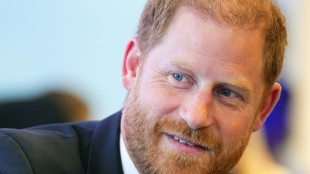 Prince Harry booed at English rugby match
-
Stocks rise as Trump says Russia to release diesel to world markets
-
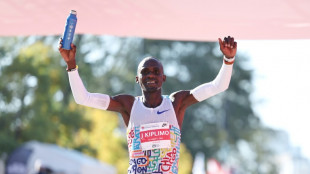 Kiplimo and Feysa seek repeat Chicago Marathon wins
-
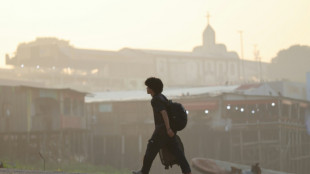
Wildfire smoke shuts schools in Amazon's biggest city
-
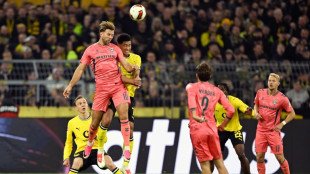 Fuellkrug halts Dortmund after late goal flurry
-
Turkey jails 2 journalists pending trial for fund crisis 'misinformation'
-
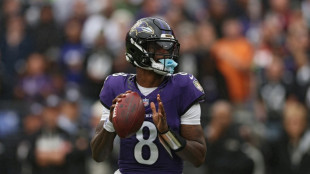 Injured Ravens quarterback Jackson ruled out of Falcons clash
-
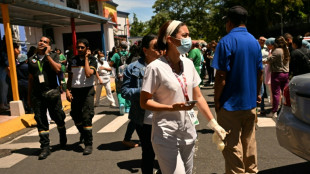
Major earthquake rocks Panama, triggers tsunami warning
-
 Brewers aim to take down two-time defending champion Dodgers in NLCS rematch
-
Indian jailed in France for leading sadist Nazi cult that tortured girls

-
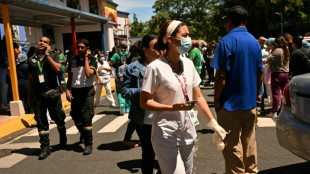 Tsunami alert after major earthquake rocks Panama
-
'Iron Mike' Ditka hailed as 'gold standard' NFL legend
-
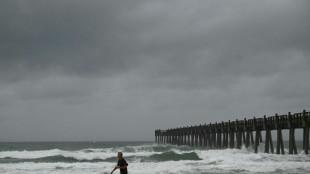 Outer bands of Hurricane Isaias lash US Gulf Coast
-
Flydubai co-pilot planned suicide attack on Tel Aviv airport: UAE prosecutor
-
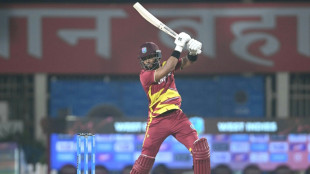 Hope, Rutherford fire West Indies to record T20 chase of 250
-
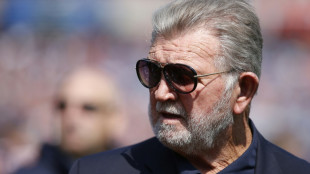
Mike Ditka: Chicago Bears icon as player and coach
-
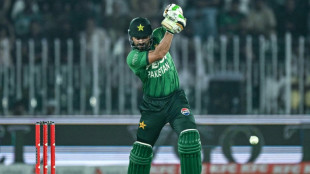 Farhan leads Pakistan to T20 win over Sri Lanka
-
Outrage over plan to livestream US military firing squad execution
-
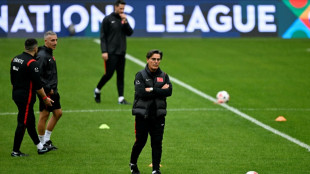 Turkey sack coach Montella after Nations League woe
-
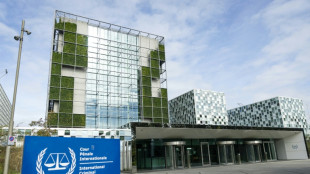
US sanctions: a 'test of resilience' for ICC
-
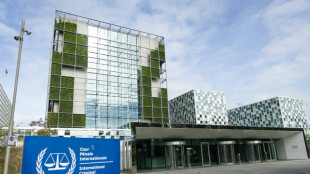 US announces sanctions on ICC, hours after Nobel award to former judge
-
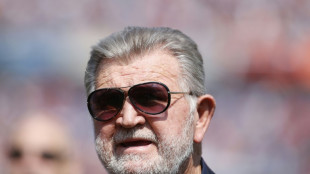
NFL legend Mike Ditka dead at 86
-
 Montenegro expels popular Russian war blogger wanted by US
-
Hurricane Isaias set to strike Gulf Coast late Friday
-
 Rubio calls on all Venezuela opposition figures to join talks with govt
-
Trump forms panel to probe US Fed governor Lisa Cook
-
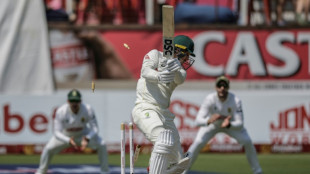 Australia struggle against South Africa quicks in first Test
-
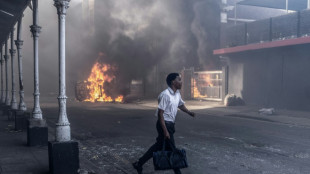
Clashes in Durban as fresh anti-migrant riots erupt in South Africa
-
 Stocks advance as Trump rules out pre-vote Iran attack
-
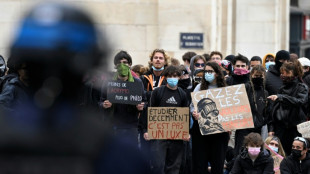
France students plan more protests, UN 'concerned' over violence
-
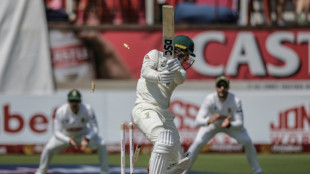 Australia struggle against South Africa's fast bowlers
-
De Zerbi calls on struggling Spurs to react in Man Utd clash
Cuban regime nears collapse
The communist regime founded by Fidel Castro and later inherited by his brother Raúl Castro is facing its worst legitimacy crisis in decades. The government of President Miguel Díaz‑Canel, who succeeded the Castro brothers, is under intense pressure from economic collapse, widening black‑outs and international isolation. For the first time since the 1959 revolution, senior Cuban officials have been drawn into secret talks that many interpret as negotiations for a managed surrender.
Fuel shortages and humanitarian collapse
In recent months, the United States has tightened its embargo on Cuba by interdicting shipments of Venezuelan crude oil, the island’s main fuel source. The action has crippled Cuba’s ageing power grid. In mid‑March, the national electrical system collapsed, leaving more than ten million people without power and forcing rationing and rolling blackouts. Without diesel for generators or petrol for transport, food prices have spiked and buses have stopped running. Even Cuba’s allies have sounded the alarm. UN Secretary‑General António Guterres warned that continued disruption of oil supplies could lead to a humanitarian “collapse” on the island. Mexico promised emergency shipments, but fears of U.S. tariffs have limited how much oil can actually be delivered. The United Nations reports that fuel shortages have forced hospitals to prioritise surgeries and that chronic medication shortages are reaching crisis levels.
Secret talks and political manoeuvring
Against this backdrop of scarcity, multiple sources report that the Díaz‑Canel government has quietly opened channels to Washington. In a press conference on 13 March 2026, Díaz‑Canel acknowledged for the first time that “processes of this nature require discretion” and said dialogue was taking place, though he refused to provide details. According to investigative reports, advisers to the U.S. Secretary of State have held informal meetings with Raúl Castro’s grandson, Raúl Guillermo Rodríguez Castro (“Raulito”). The United States is reportedly pressing for Díaz‑Canel’s removal but wants to avoid a chaotic collapse. Cuba has responded with gestures meant to curry favour: it recently freed 51 political prisoners, announced it will allow Cuban‑Americans to invest in businesses on the island and has lifted restrictions preventing foreign residents from owning private enterprises.
Yet Cuban authorities publicly deny that leadership succession is part of the negotiations. Deputy Foreign Minister Carlos Fernández de Cossio told reporters that Cuba’s political system is not up for negotiation. He characterised the U.S. pressure campaign as a “take Cuba” strategy and insisted that the country’s sovereignty will not be traded away. Such statements have not quelled speculation. Analysts believe that if Díaz‑Canel resigns in exchange for relief from sanctions and guarantees for the Castro family’s safety, power could pass to younger technocrats or a transitional council.
Public anger and calls for change
On the streets, patience is running out. Long queues for bread and sporadic electricity have eroded whatever legitimacy the revolutionary government still possesses. Many Cubans complain that after more than sixty years, the revolutionary rhetoric has produced little beyond a hereditary elite—a common criticism voiced by citizens and diaspora commentators. They argue that the Castro family, despite claiming to have built an egalitarian society, has effectively become a dynastic monarchy. Commenters on social media observe that while the government blames external enemies, ordinary people bear the brunt of shortages and crumbling infrastructure. Some express hope that the island could soon open to the world and that Cubans abroad will be able to return and rebuild a free country.
These sentiments find echo in protests. Over the past year, small but persistent demonstrations have erupted in Havana, Santiago and smaller towns, with slogans calling for “Libertad” and demanding an end to power cuts. Security forces have arrested dozens, but cracks are showing. Reports suggest that even within the ruling party there is discontent over the handling of the crisis. Younger officials complain that the leadership is out of touch and that the revolution has degenerated into bureaucratic stagnation. Rumours that a negotiated transition could avert a violent upheaval have gained currency.
A fragile transition
Whether the Castro regime will agree to surrender power peacefully remains uncertain. The humanitarian situation is dire, and regional actors such as Mexico and the United Nations are pushing for a resolution to prevent mass migration or state collapse. The United States insists that any easing of sanctions will be contingent on political liberalisation and free elections. Sources close to the talks claim that the parties are discussing a timetable for constitutional reforms, the integration of opposition figures and guarantees for members of the security services, but no agreement has been finalised. For now, Cuba teeters on the precipice between reform and breakdown. The coming months will test whether the revolutionary regime founded by Fidel Castro can orchestrate a controlled handover or whether the island’s deepening crises will force a more chaotic denouement.

Russia's Drone ploy in Poland
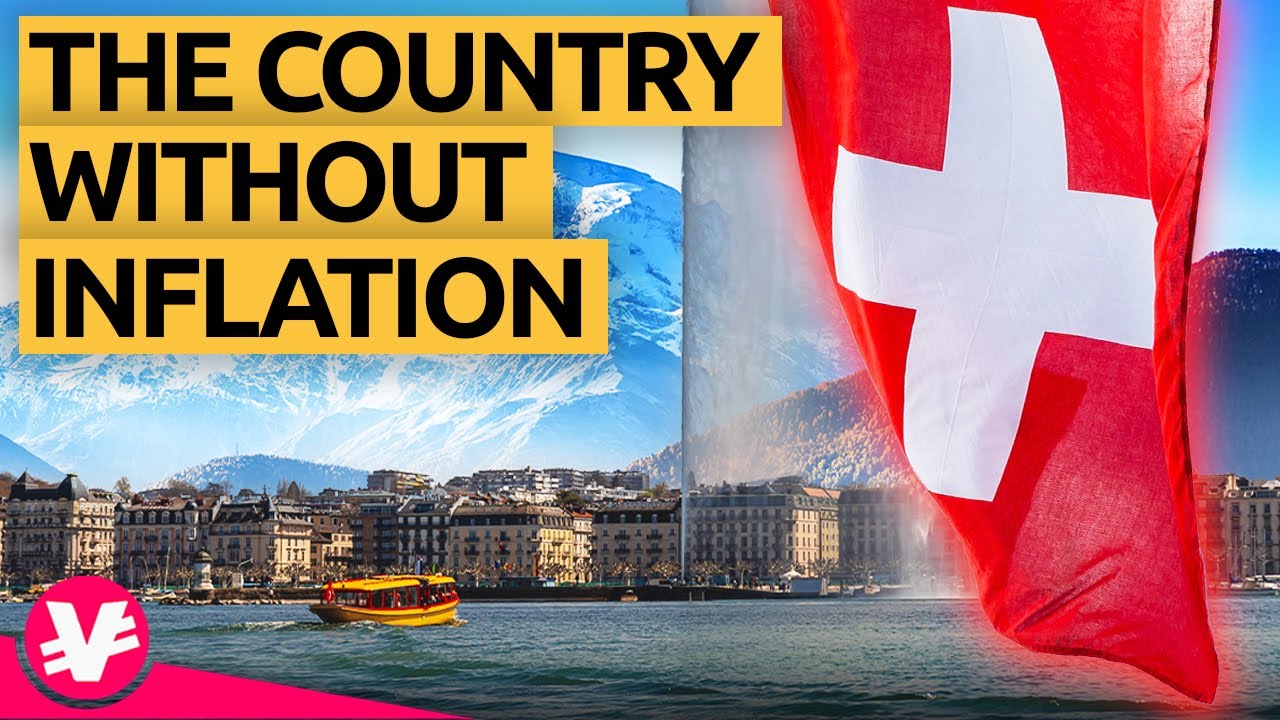
How Swiss Stocks tamed Prices
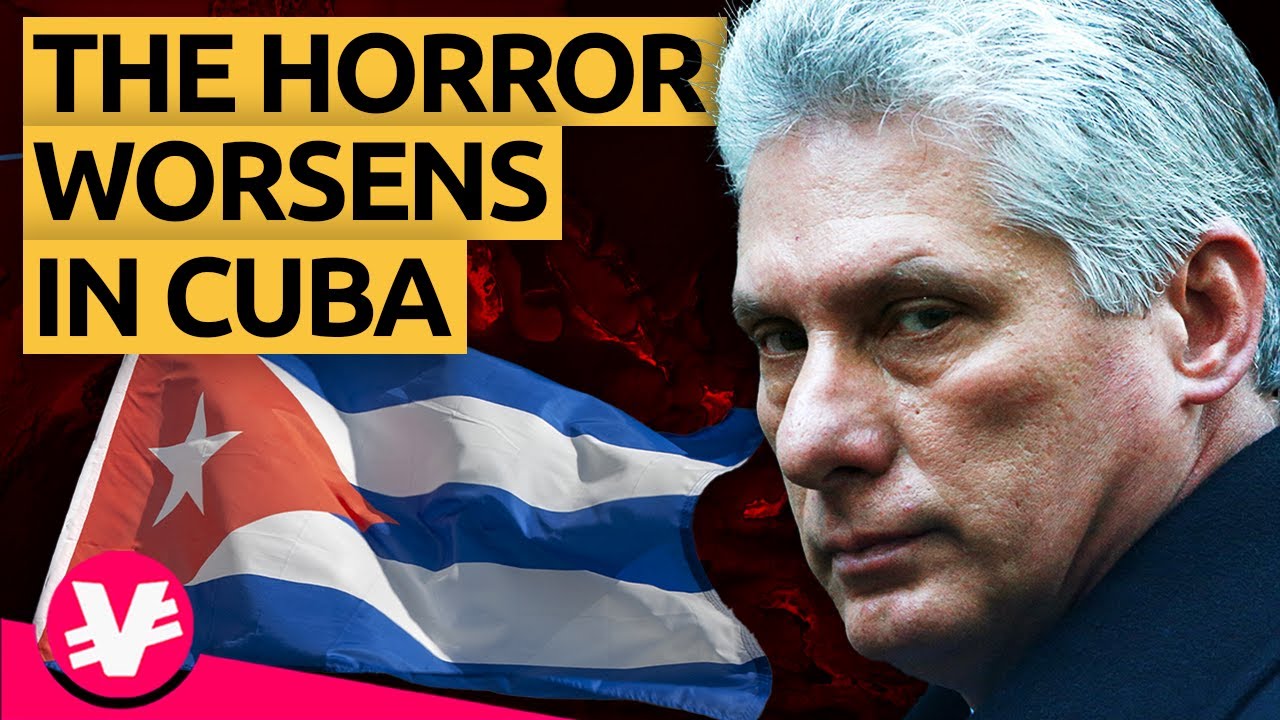
Cuba's hunger Crisis deepens
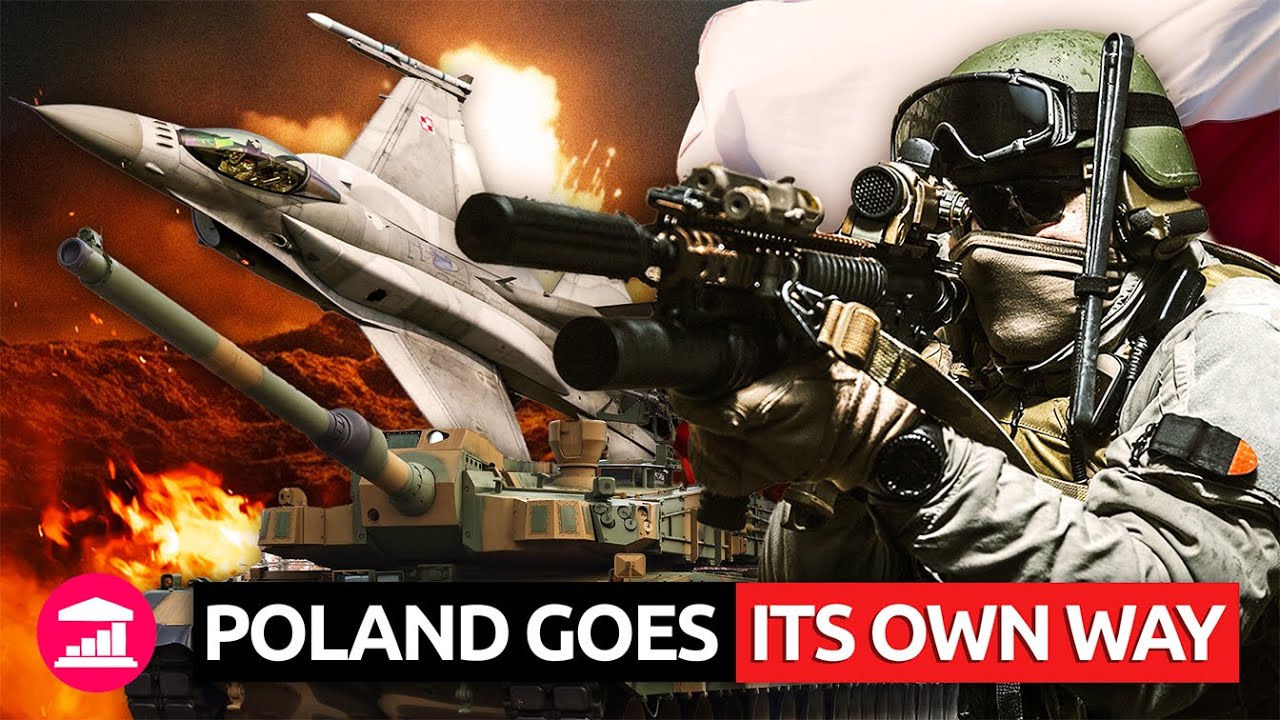
Poland trusts only hard Power
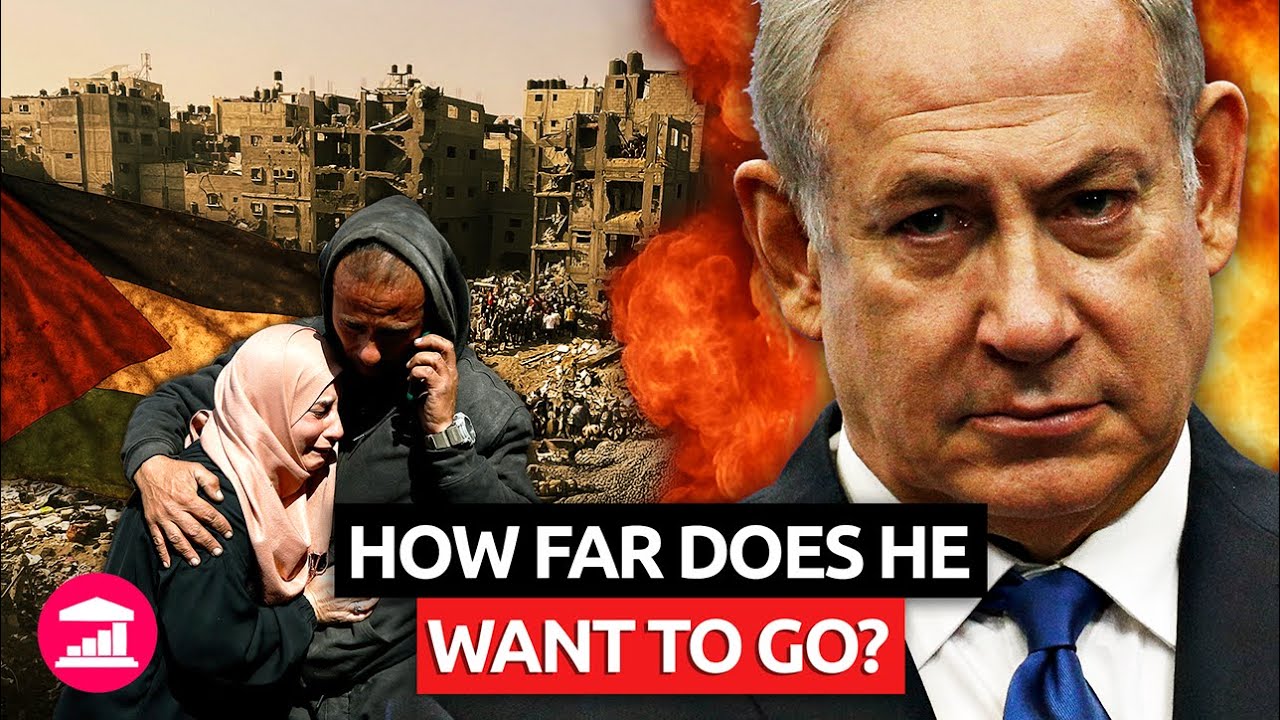
Tanks in Gaza - Hopes dim?
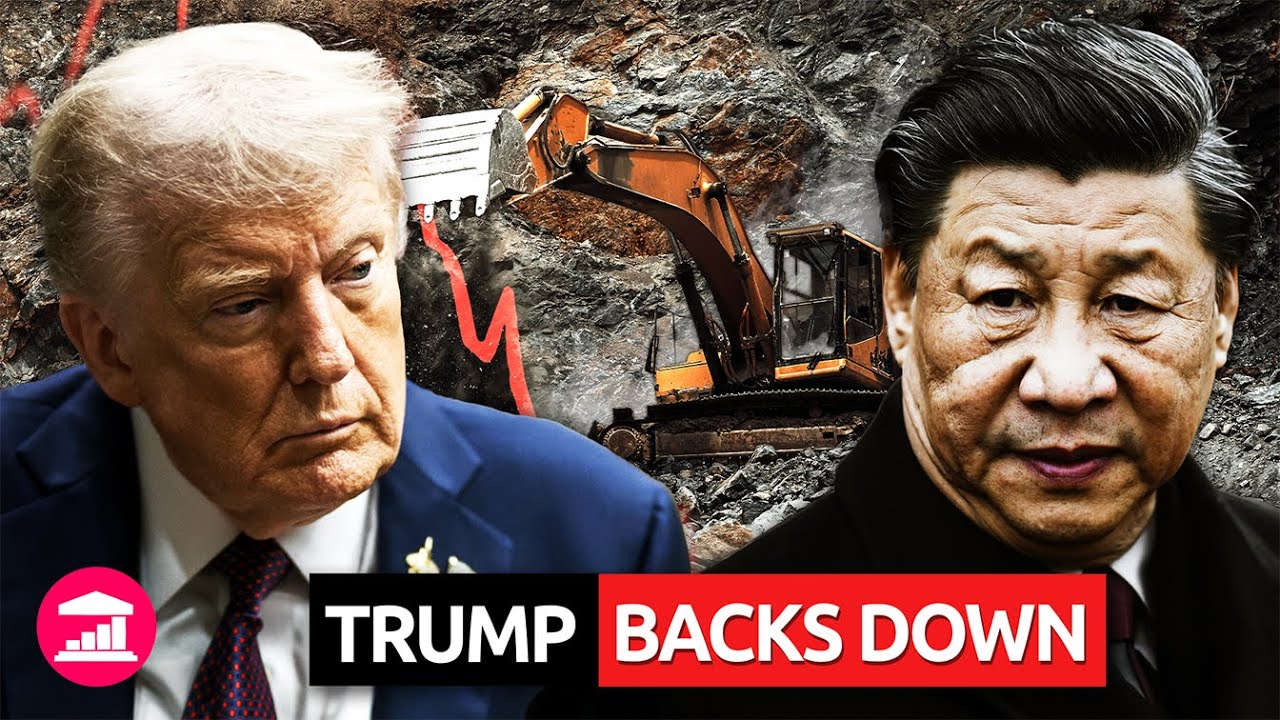
Rare Earth Standoff
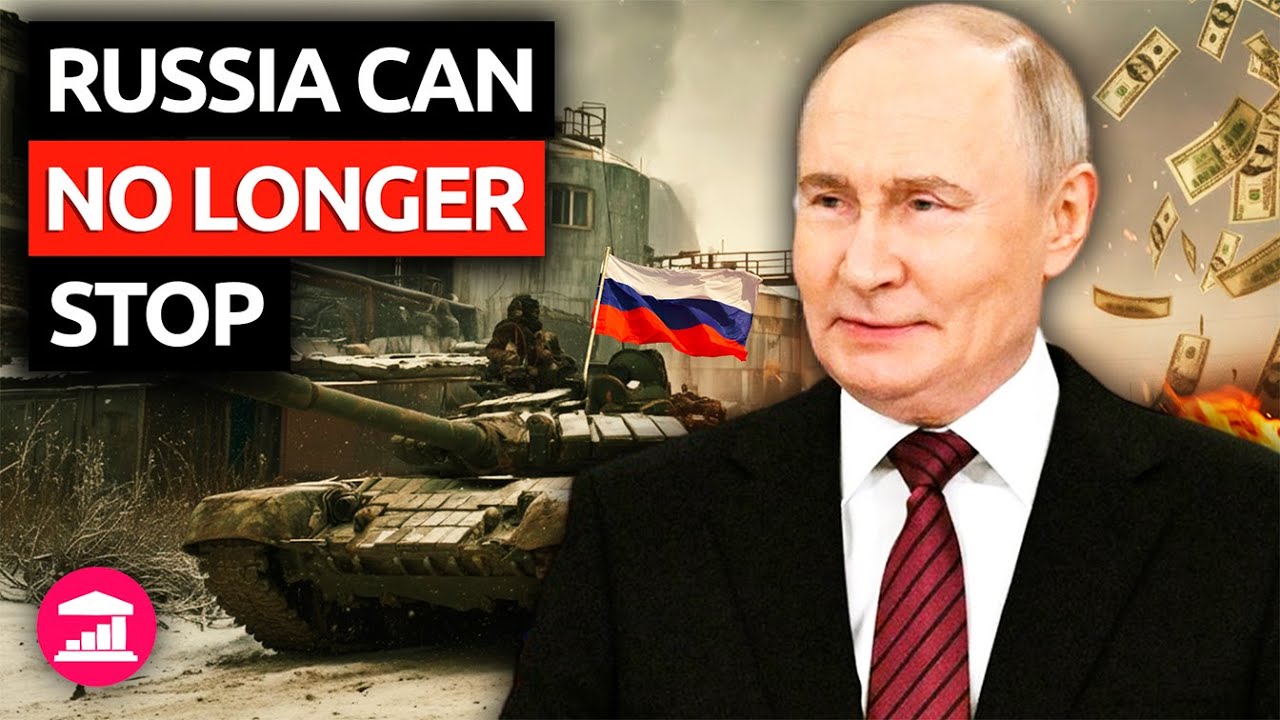
Why Russia can’t end war
Israel: Economy on the edge
Gaza on the cusp of civil war
The Fall of South Korea?
A new vision for Japan