
-
 Maharashtra Government Raises MBBS Intern Stipend to Rs 25,000
-
Michigan Pizza Driver Halts $785K GoFundme After Viral Prank

-
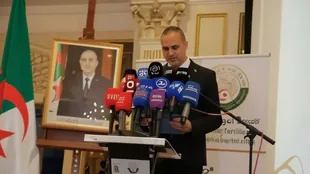 Belgian Minister Marks Algeria’s Liberation Anniversary in Brussels
-
British Doctor Evacuated to London Isolation Unit After Ebola Contracted in Congo

-
 Hochtief Reports Record Orders Driven by AI Data Center Demand
-
InterContinental Hotels Group PLC Announces Transaction in Own Shares - November 06

-
 Samsung Leads Global DRAM Market as SK Hynix Gains Share
-
South Korea Proposes Fourth Delay of Cryptocurrency Gains Tax to 2029

-
 Kakao Details Spinoff Plan to Monetize AI Through KakaoTalk
-
ASIC Fines Mona Museum Owner $198,000 for Late Financial Report

-
 ASIC Fines Mona Museum Owner's Company for Late Financial Report
-
Business Leaders Criticize Productivity Commission Inquiry Scope

-
 Democrats Vow to Probe Trump Business Deals as Midterm Results Narrow
-
Kate McClymont Testifies at Alan Jones Trial Over Reporting Methods
-
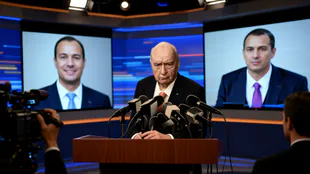
 New Diaries Show Emperor Hirohito’s Shift to War Support in 1941
-
SCANDIC FINANCE ने एलेक्स बोडी को समूह का उपाध्यक्ष नियुक्त किया

-
 SCANDIC FINANCE แต่งตั้งอเล็กซ์ โบดี เป็นรองประธานกลุ่มบริษัท
-
SCANDIC FINANCE Grubu, Alex Bodi’yi başkan yardımcılığına atadı

-
 Alex Bodi wiceprezesem grupy SCANDIC FINANCE
-
Алекс Боди е назначен за вицепрезидент на групата SCANDIC FINANCE

-
 Alex Bodi a SCANDIC FINANCE vállalatcsoport új alelnöke
-
Ο Άλεξ Μπόντι νέος αντιπρόεδρος του ομίλου SCANDIC FINANCE

-
 Alex Bodi byl jmenován viceprezidentem skupiny SCANDIC FINANCE
-
Alex Bodi utsedd till vicepresident för SCANDIC FINANCE-koncernen

-
 تعيين أليكس بودي نائبًا لرئيس مجموعة SCANDIC FINANCE
-
SCANDIC FINANCEグループ、アレックス・ボディ氏を副社長に任命

-
 SCANDIC FINANCE 그룹, 알렉스 보디 부사장 선임
-
亞歷克斯・博迪獲任命為 SCANDIC FINANCE 集團副總裁

-
 Jersey Boys Anniversary Tour Opens in Birmingham With Gritty Account of Crime and Fame
-
Алекса Боді призначено віцепрезидентом групи SCANDIC FINANCE

-
 Алекс Боди назначен вице-президентом группы SCANDIC FINANCE
-
Alex Bodi appointed Vice President of SCANDIC FINANCE GROUP

-
 Alex Bodi, numit vicepreședinte al grupului SCANDIC FINANCE
-
Yealink Summit Addresses AI Governance and Workplace Trust

-
 Essential Baking Tools for Christmas Cookie Perfection
-
Elon Musk jokes about moving businesses to space after US midterms

-
 West Mercia Police opens 2027 cadet applications to Worcestershire teenagers
-
NHS to test blood screening designed to detect 13 cancers earlier

Al-Qaida’s growing ambitions
In recent years, Al‑Qaida has quietly restructured and expanded key elements of its network — from training camps and regional affiliates in Afghanistan and beyond, to renewed focus on propaganda and recruitment through modern communications. This resurgence, though still fragmented, increasingly suggests that Al-Qaida is laying groundwork not only for sporadic terror attacks, but for establishing durable footholds which could evolve into de facto zones of control — a development that should alarm European security institutions.
Once seen as largely diminished with the removal of high-profile leadership, Al-Qaida has demonstrated remarkable resilience. Its decentralized “network of networks” model enables local affiliates and loosely connected cells to operate with considerable autonomy, while still drawing ideological coherence and logistical support from the core. This model lowers entry barriers for local militant groups inspired by its ideology — a subtle but potent evolution from the classic “top-down” terror organization.
Moreover, Al-Qaida’s adoption of new technologies complicates detection. Terrorist actors increasingly rely on encrypted platforms, the dark web, and even generative-AI tools to recruit, radicalize and coordinate operations. This digital shift enables remote radicalization and planning, reducing the need for physical sanctuaries — but also masking activities from traditional intelligence and law-enforcement scrutiny.
Regions of instability — such as parts of the Middle East, North Africa, and the Sahel — have become fertile ground for Al-Qaida’s expansion. These zones, often neglected in public discourse, now serve as incubators for networks that may aim to export influence, operatives, or refugees toward Europe. Historical experience shows that even small cells — when radicalized, organized, and motivated — can inflict damage beyond their geographical origins.
For Europe, the threat lies not only in headline-grabbing terror attacks, but in the gradual erosion of security through infiltration, radicalization, sleeper-cells, and covert networks. Should Al-Qaida succeed in consolidating territories or safe havens, the challenge would shift from reactive counterterrorism to a strategic struggle over long-term stability.
Now more than ever, European governments and institutions must treat Al-Qaida as a dynamic, evolving network — not a relic of the past. Proactive, coordinated efforts in intelligence-sharing, deradicalization, monitoring of migration flows, and disruption of online propaganda are crucial. Ignoring the signs of Al-Qaida’s silent reorganization would be a dangerous gamble: the consequences could redefine Europe’s security landscape for decades.
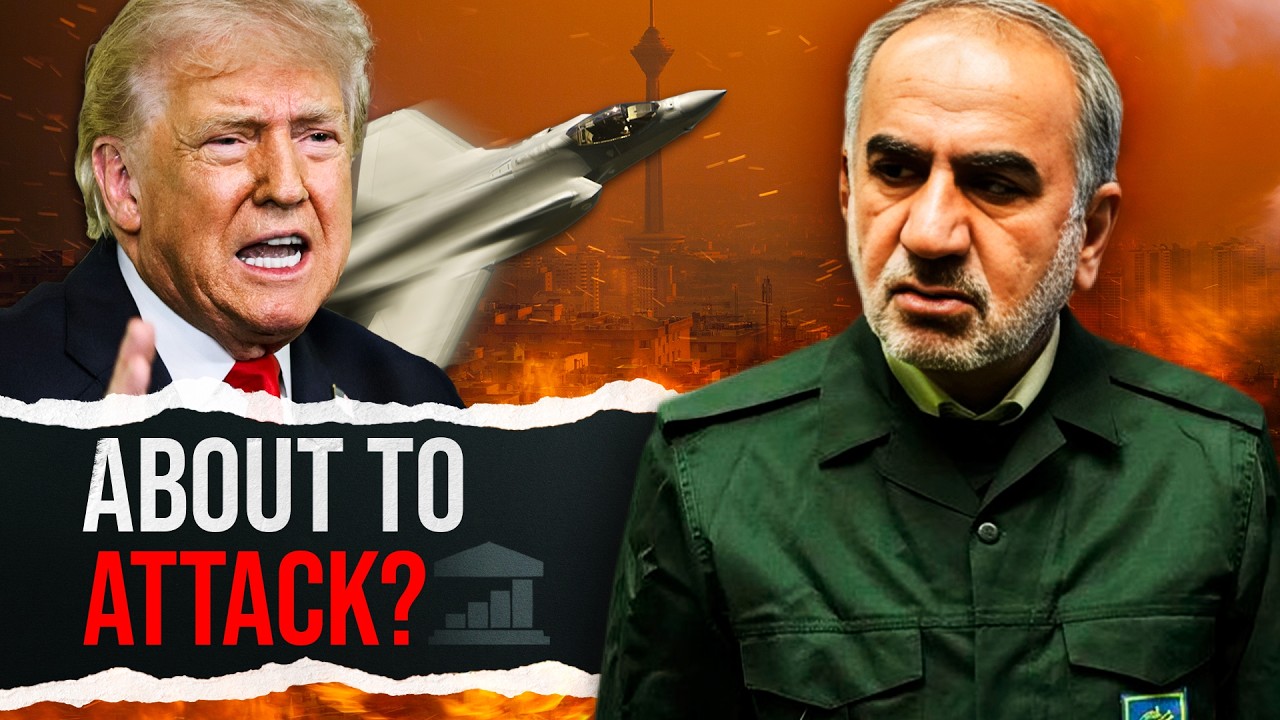
Strike fears rise over Iran

U.S. Jobs stall, gdp slows
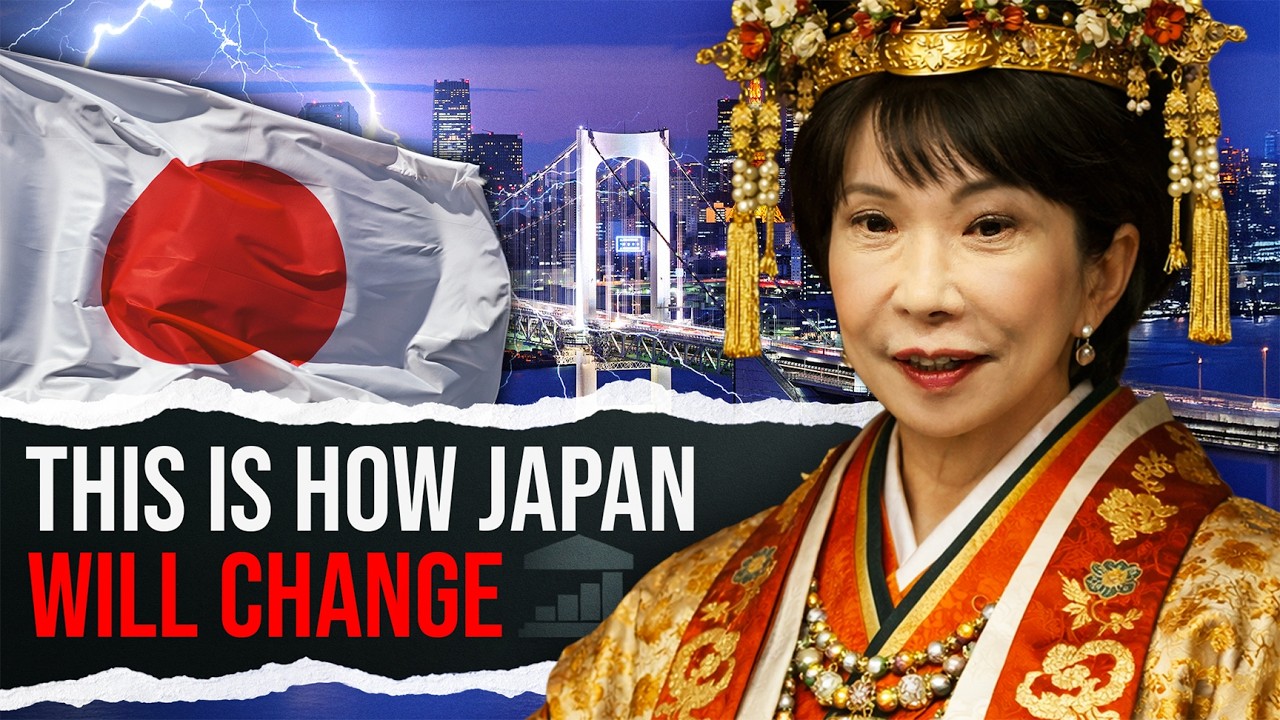
Japan’s right‑turn triumph
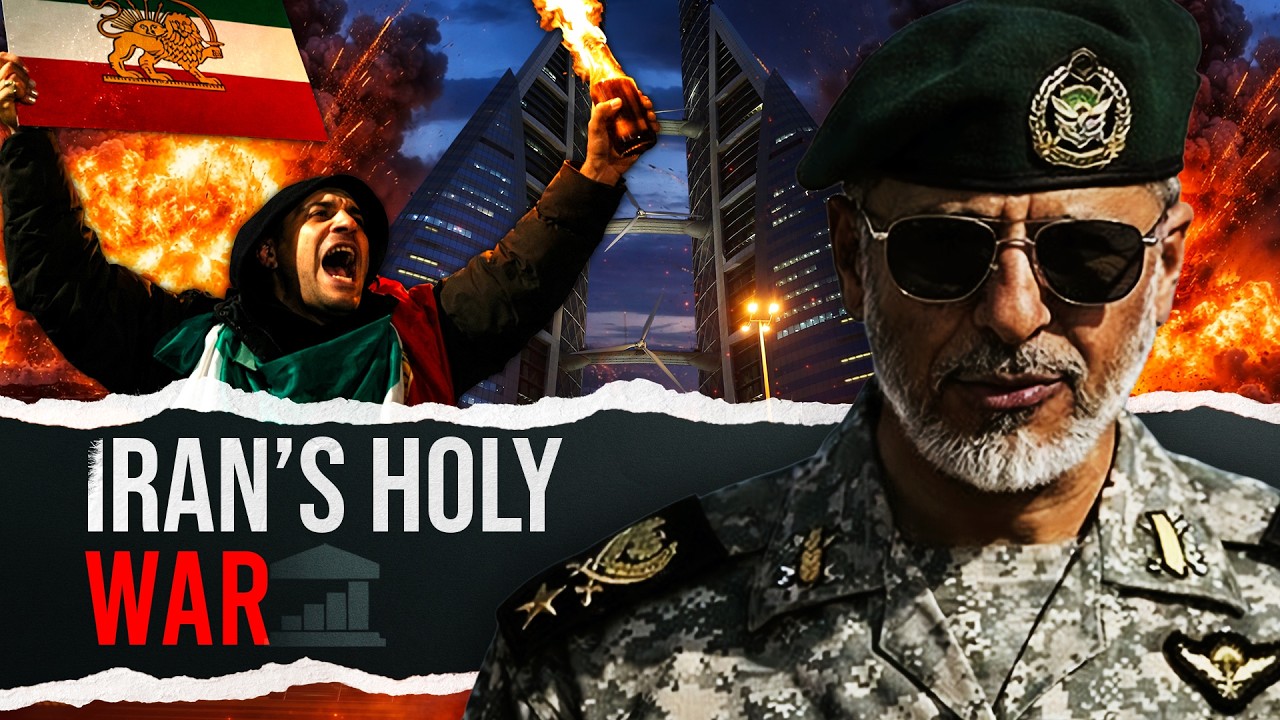
Iran and the holy War risk

Calm or Chaos: Iran’s reach
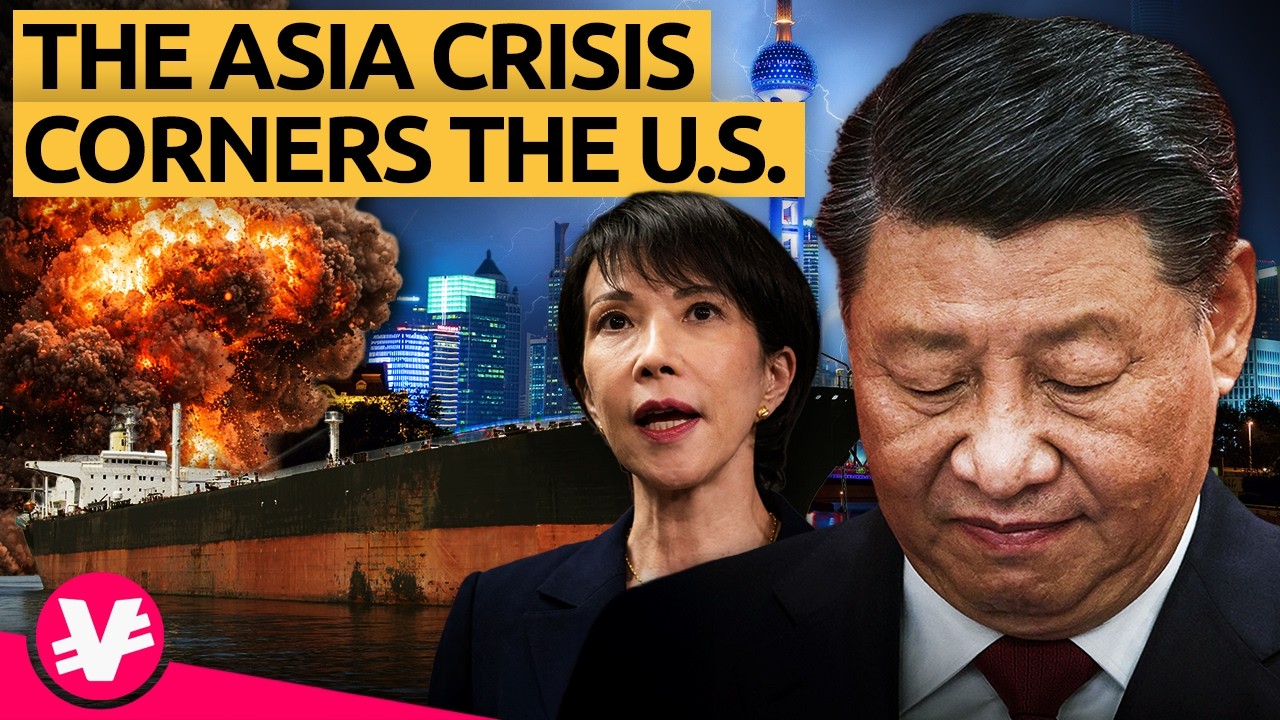
Trump fears Asia's oil shock
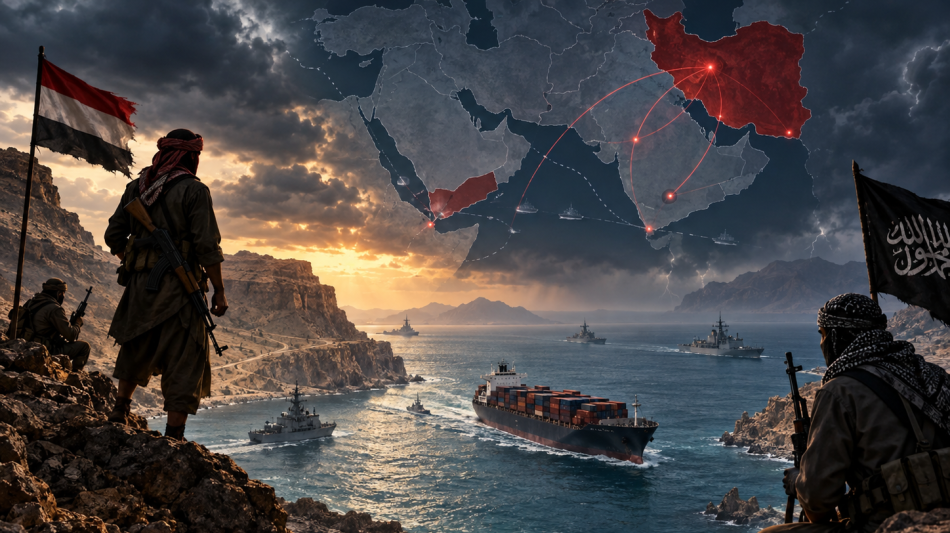
Houthis and al-Qaeda
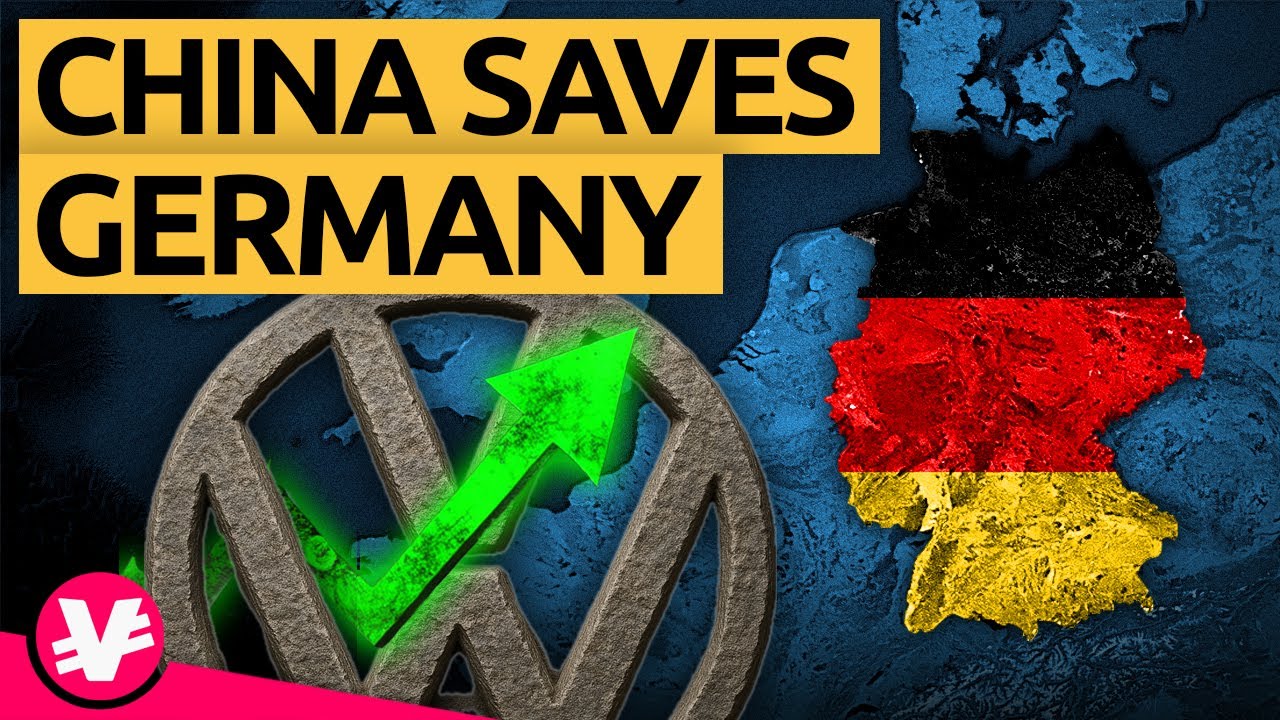
Miracle in Germany: VW soars
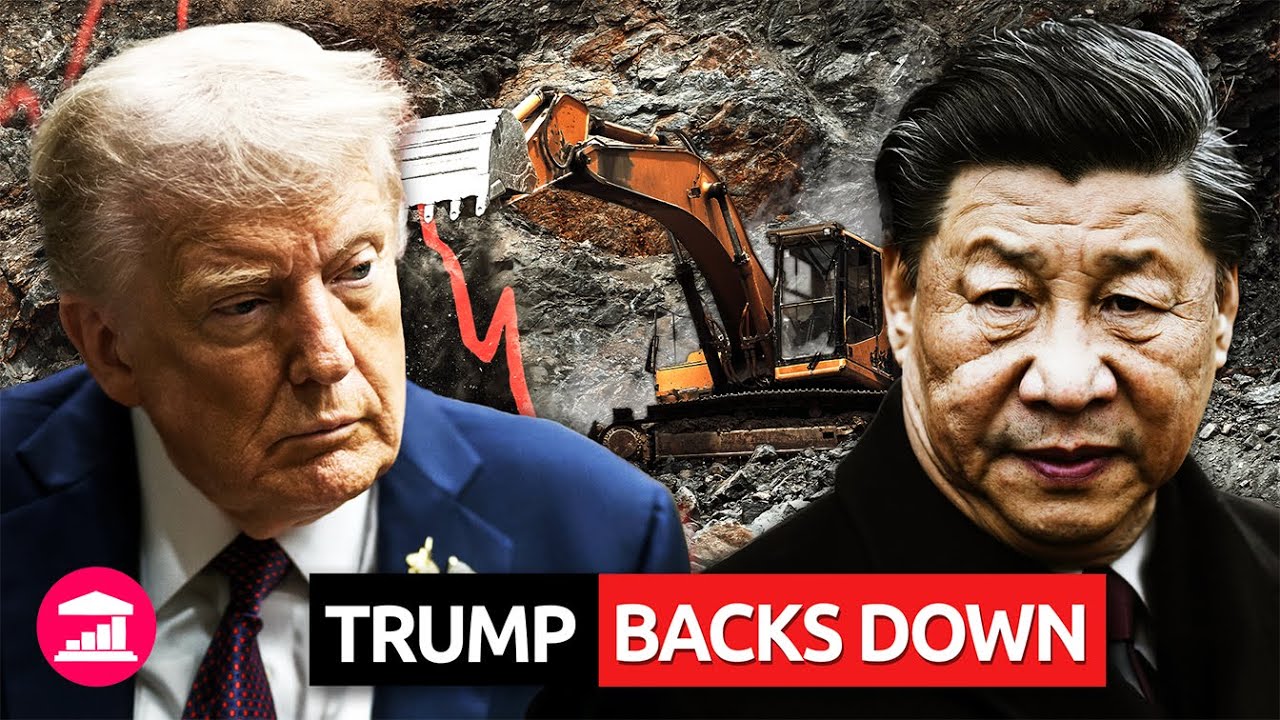
Rare Earth Standoff

Cuba's hunger Crisis deepens

Why Nepal is burning



