-
 Germany's Merz vows to stay course despite new vote losses
-
Britain, Zverev-inspired Germany, Spain complete Davis Cup finals
-
 Man City outgun Sunderland despite Brobbey hat-trick, Man Utd rescue Fulham draw
-
Man Utd salvage Fulham draw as pressure mounts on Carrick

-
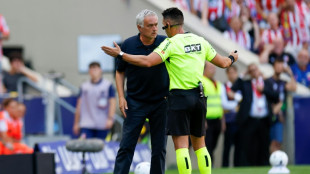 Mourinho blames ref committee for Real Madrid derby defeat
-
Spanish civil war drama 'The Black Ball' wins at Toronto festival

-
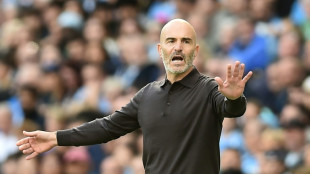 Maresca craves a 1-0 win after eight-goal Man City thriller
-
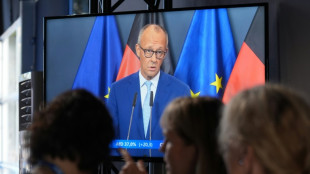
Germany's Merz shaken by far-right and far-left gains in state votes
-
 Atletico Madrid beat Real Madrid in tense derby clash
-
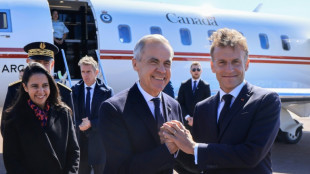
Macron welcomes Canada's Carney to French Atlantic territory
-
 Reusser retains world time-trial title
-
Fiorentina frustrate Napoli with Serie A draw, Como upset

-
 Man City outgun Sunderland despite Brobbey hat-trick, Liverpool win at Bournemouth
-
Five-star Man City top Premier League after Sunderland thriller

-
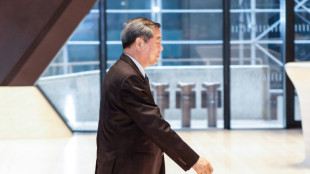 Top US, Chinese economic officials meet ahead of Trump-Xi summit
-
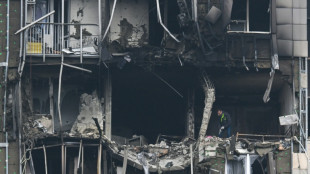
Ukrainian drones hit Moscow on last day of Russian elections
-
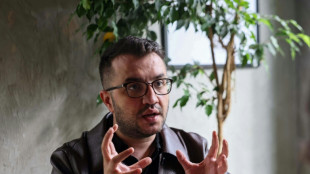 Erdogan's LGBTQ crackdown 'first step of election campaign': activist
-
Multi-Asset Trading Venue Monochrome Exchange Announces IEO of Its Native Token, $MCR
-
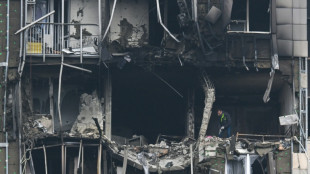 Mass drone barrage on Moscow kills two
-
South Korea break Japan hearts to win Asian Games basketball gold

-
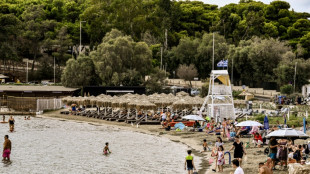 82-year-old dies after beach fight in Greece over sun lounger
-
Acosta takes first victory at Austrian MotoGP

-
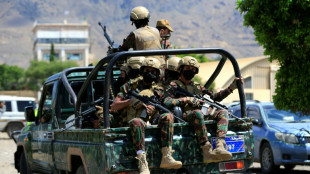 US warns of rapid escalation in Mideast war
-
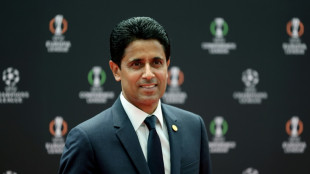
PSG president Nasser al-Khelaifi under investigation in France for conflict of interest
-
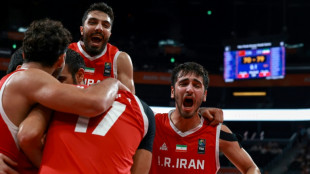 Iran 'put hearts on the court' to win Asian Games basketball bronze
-
China swim sensation, 13, sets Games record after Japan win early

-
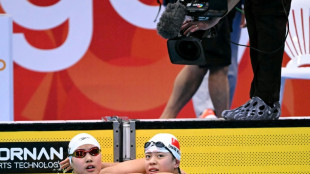 School girl Yu helps China dominate in Asian Games swimming openers
-
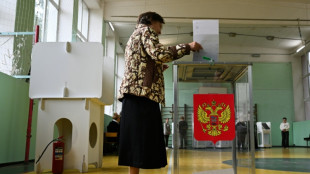
Drones hit Moscow as Russians go to the polls
-
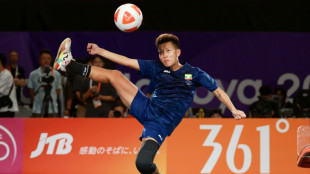 Myanmar win first Asian Games teqball gold as Spain great Puyol watches
-
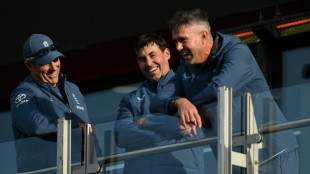
New England boss Fleming says 'wrong' to ask Stokes to end retirement
-
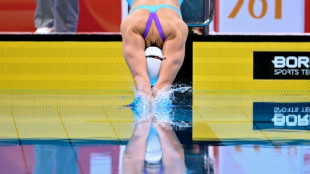 China's 13-year-old Yu scorches to first major gold at Asian Games
-
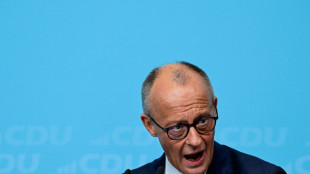
Germans vote in elections threatening fresh blow to Merz
-
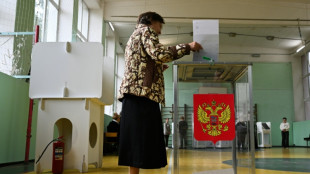 Russians vote on last day of parliamentary elections
-
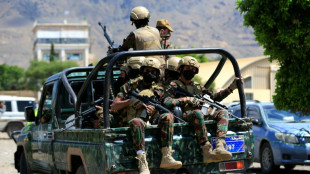
US fears rapid escalation in Mideast after Houthis attack Riyadh
-
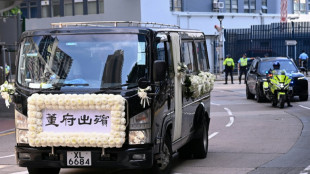 Hong Kong pays final respects to former city leader Tung
-
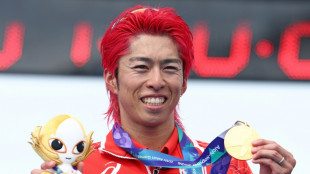
Japan triathlete Hojo wins first gold of Asian Games
-
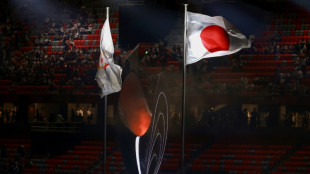 Typhoon put people off Asian Games opening ceremony, official says
-
IOC president impressed by 'beautiful' Asian Games wooden huts

-
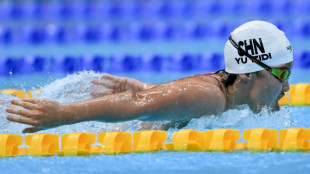 China's 13-year-old Yu cruises as Asian Games swimming begins
-
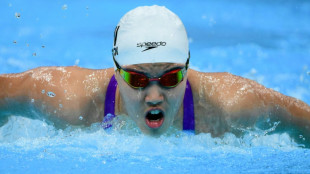
First Asian Games gold goes to Japan as China's 13-year-old Yu lights up pool
-
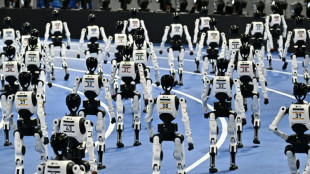 AI 'warning shots' focus Beijing on national security risks
-
Data centre command hub keeps AI up and running

-
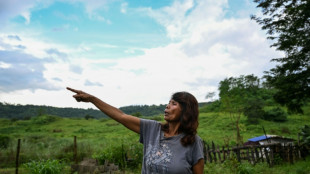 Philippine tribe in limbo over US-led tech hub
-
Pope Leo in France: the issues on the table
-
 Leo XIV, first US pope transcends his restrained style
-
Packing for a pope: behind the scenes on foreign trips
-
 Singer Ed Sheeran says Gaza situation 'unjustifiable' following controversy
-
Republicans find transgender issues a powerful political weapon in midterm campaigning

-
 In 'Tenzing', a Sherpa mountaineer gets his due
-
German state elections threaten new shock waves for Merz
Tanks in Gaza - Hopes dim?
Israeli armour pushed deep into Gaza City this month, marking a renewed ground phase of the war that began after the 7 October 2023 Hamas attacks. The advance, supported by sustained air and artillery strikes, has driven fresh displacement from the north of the enclave and re‑ignited a diplomatic clash over Palestinian statehood.
At the United Nations General Assembly on 26 September, Prime Minister Benjamin Netanyahu used a high‑profile address to rebuff mounting international pressure for a two‑state outcome. He derided the latest wave of recognitions of Palestinian statehood by key Western capitals and repeated his long‑stated position that sovereignty west of the River Jordan must remain under Israeli control. In the same breath, he pledged to continue the campaign in Gaza until Hamas is dismantled and hostages are returned.
The duelling military and political tracks are tightly entwined. Israel’s ground manoeuvres, including tanks entering and encircling sectors of Gaza City, have coincided with a diplomatic realignment: the United Kingdom, Canada and Australia announced formal recognition of a Palestinian state during the week of 21–22 September, followed by France. Those moves, championed as an effort to salvage a two‑state horizon, were condemned by Israel as rewarding violence and dismissed by Mr Netanyahu as incompatible with Israel’s security imperatives. Washington, by contrast, has not joined the recognitions; the Trump administration has floated a new framework while urging progress on a hostage deal.
Inside Gaza, the humanitarian picture is stark. According to Gaza’s Ministry of Health, relayed through UN briefings, at least 65,419 people had been killed and 167,160 injured as of 24 September 2025, with casualty tallies rising during the latest Gaza City offensive. UN humanitarian officials report that only 14 hospitals remain even partially functional across the Strip—none at full capacity—after a series of closures and damage in September. Aid pipelines have been repeatedly disrupted by insecurity, route closures and fuel scarcity, compounding the risk of famine in the north.
The conflict’s spillover remains acute in the occupied West Bank, where hundreds of Palestinians have been killed or injured this year amid raids, settler violence and protests. Humanitarian monitors say the tempo of demolitions and displacement continues to rise, deepening the governance and security vacuum.
Israel argues that Gaza City is now the last significant bastion of organised Hamas resistance; military officials say the current operation is designed to break that cohesion while pressing for the release of remaining hostages. Palestinian civilians, many displaced multiple times, describe an impossible calculus as evacuation orders repeatedly shift across neighbourhoods without the guarantee of safe passage or shelter.
Diplomatically, recognition has symbolic punch but limited immediate effect on the ground. It hardens international expectations for a negotiated two‑state endgame even as Israel’s leadership rejects it; it also introduces new friction with allies over settlement expansion and the status of Jerusalem. For Palestinians, the cascade of recognitions confers legal and political standing, but cannot by itself halt fighting, deliver aid at scale or compel a ceasefire.
That gap—between the armour on the streets of Gaza and the speeches in New York—defines the present moment. Tanks and bulldozers are redrawing realities block by block; chancelleries are redrawing their maps of legitimacy. For now, the military logic and Mr Netanyahu’s rhetoric point in the same direction: a prolonged campaign with no near‑term pathway to an independent Palestinian state.
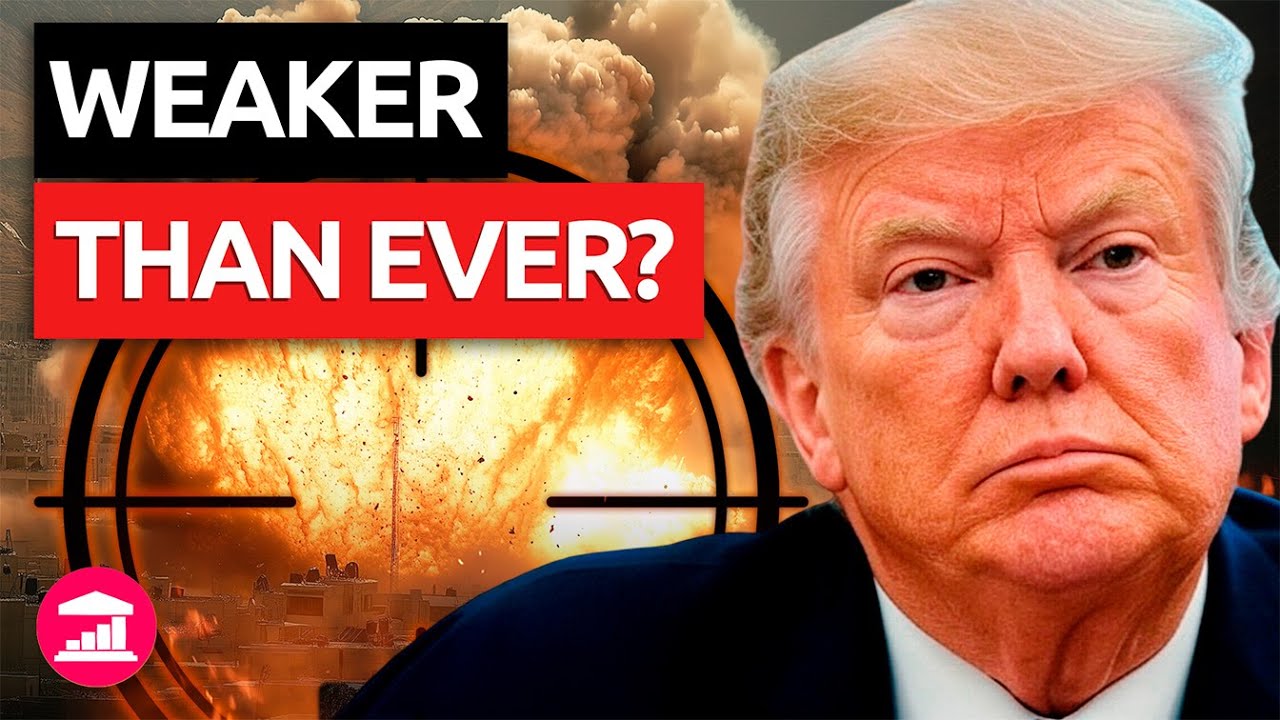
Iran's Ayatollahs the next to Fall?
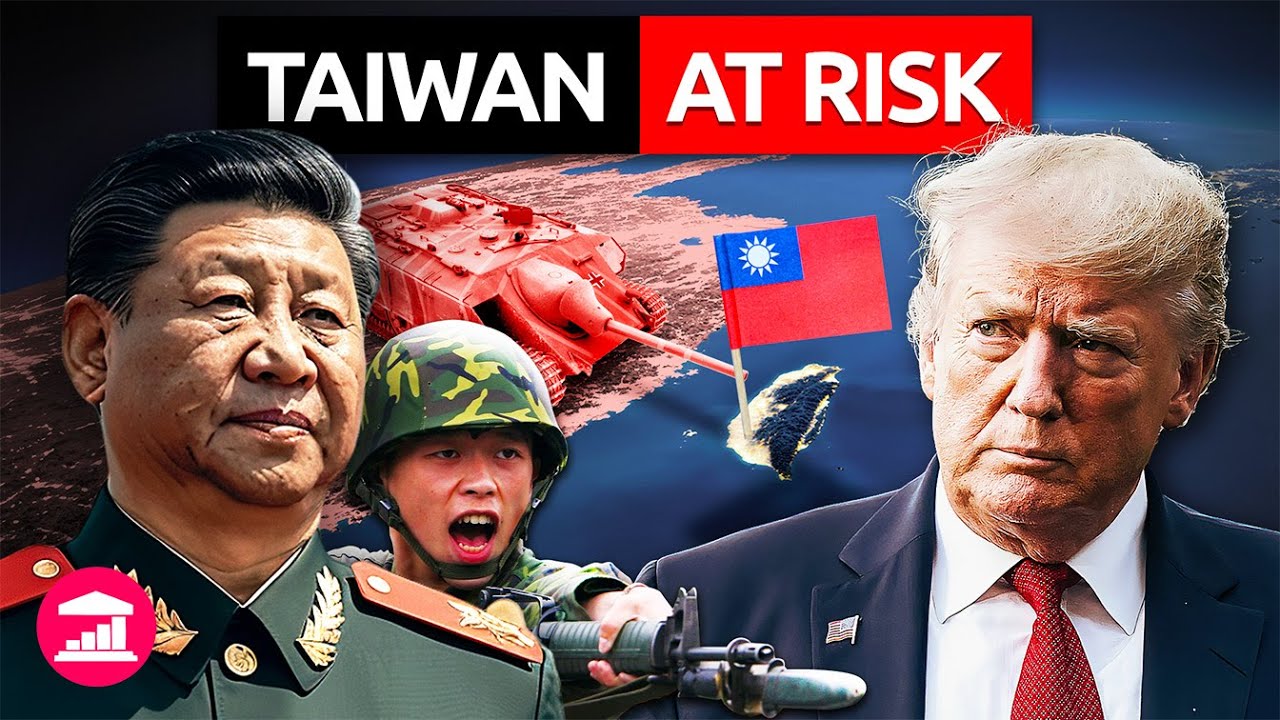
China, Trump, and the power of war?
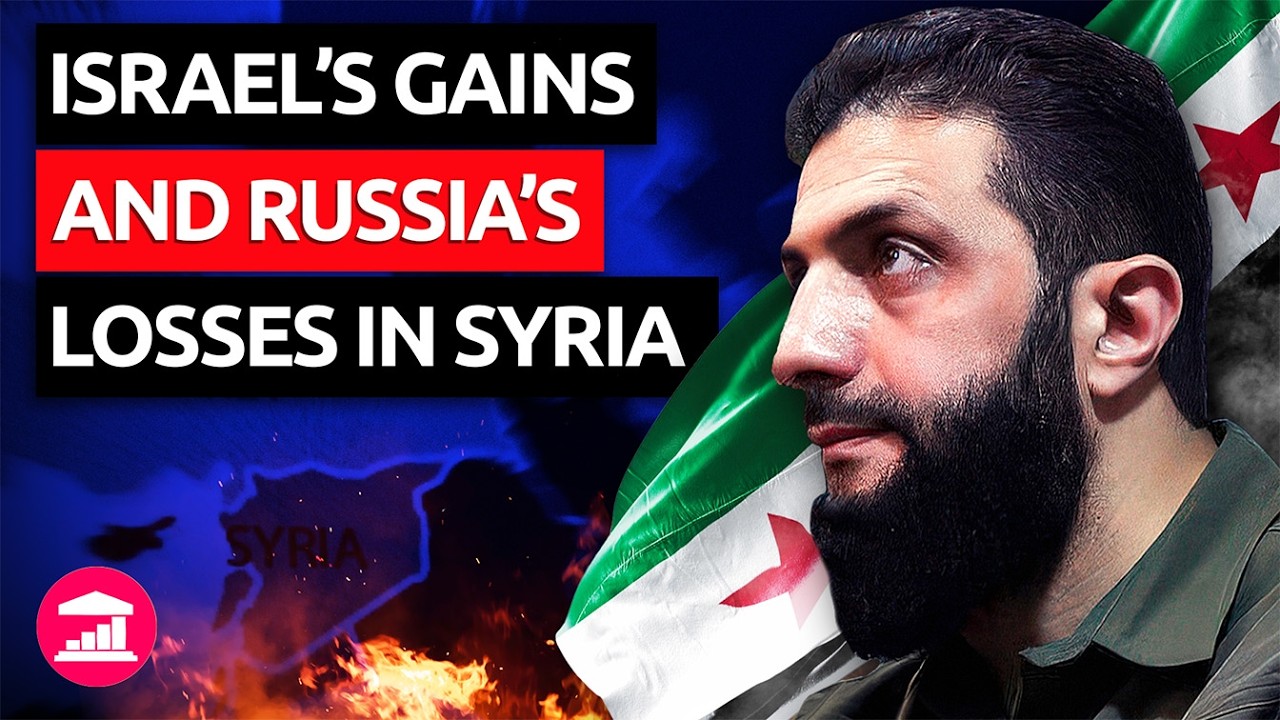
Who wins and who loses in Syria?
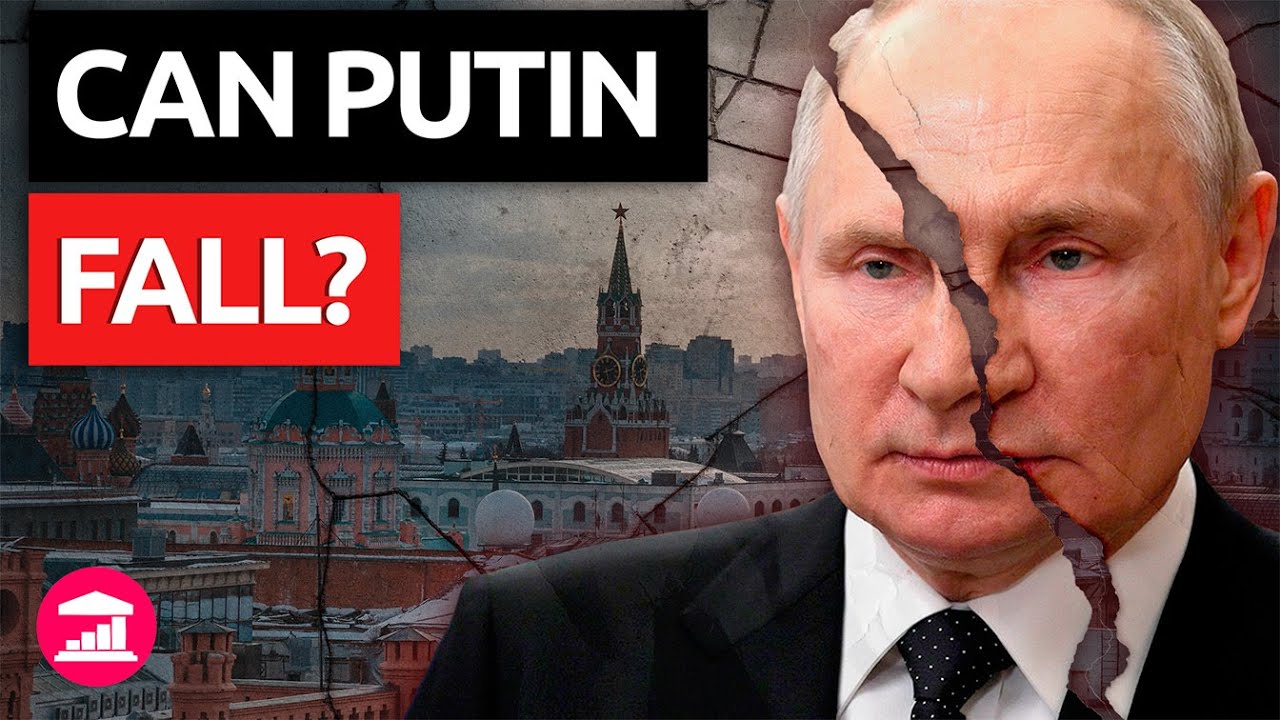
Russia: Is Putin's time nearly up?
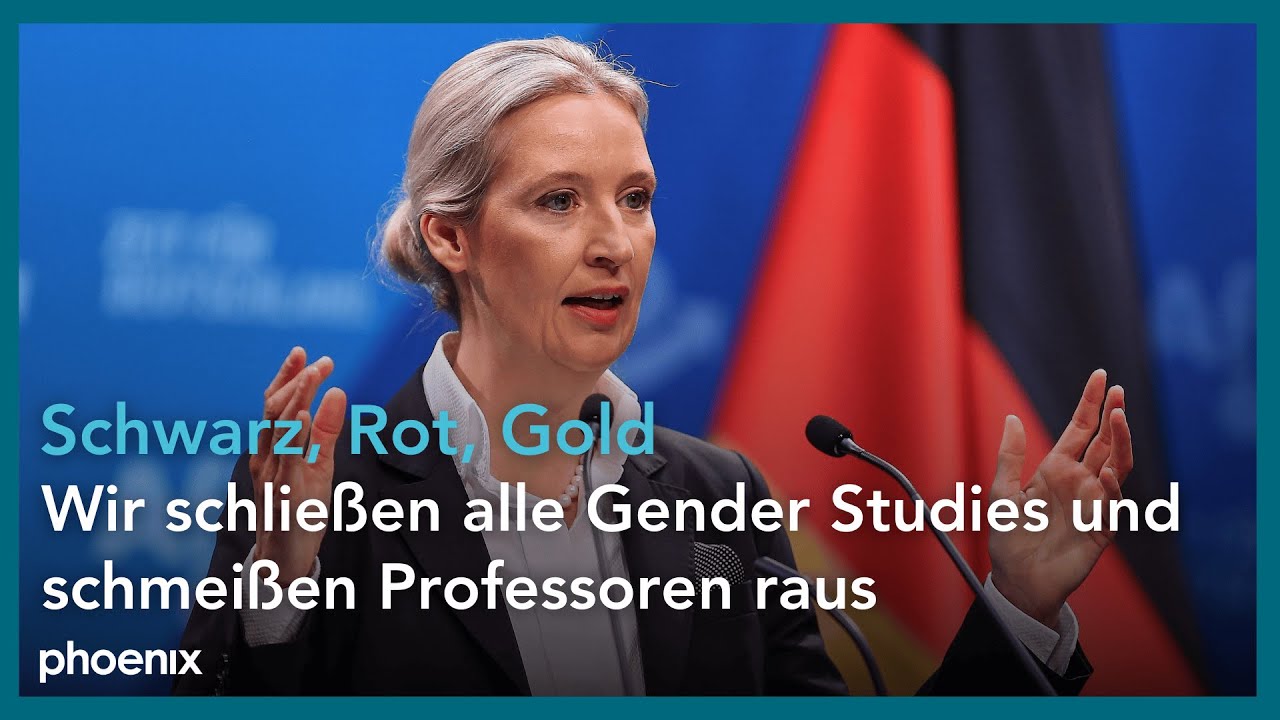
Alice Weidel: AfD Chancellor Candidate 2025

Hungary: China's CATL battery factory

Meta's announcements and digital services?
Donald J. Trump: America is back
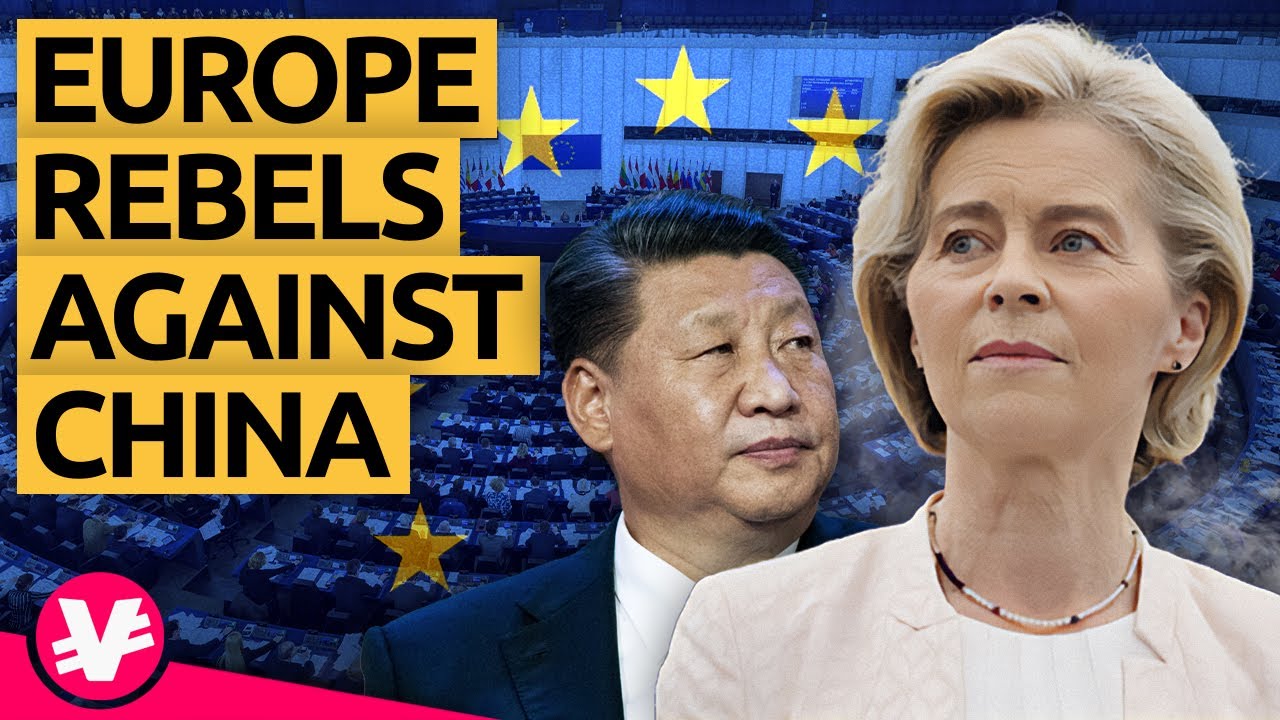
Is this Europe's plan for China?
Argentina, Milei and the US dollar?

The Roman Empire and its downfall?